

Back in the ’90s, it was often the most envelope-pushing and controversial shows, like The Simpsons or NYPD Blue, that would face the wrath of watchdog groups with little interest in actually experiencing the show’s contents firsthand. Now, in a weird reversal, the beloved children’s institution Sesame Street may be among the most-scrutinized shows not actually watched by anyone doing the scrutinizing.
In part because practically everyone knows the enduring Muppets-and-lessons classic, any perceived change to Sesame Street comes with alarmist chatter about violation of the show’s precious sanctity, whether it’s the durable and incorrect rumors that Cookie Monster would become “Veggie Monster,” skepticism over the show’s various new homes and incarnations, or just generalized grumbling from Gen-X parents that Elmo is the main star of the show (as he has been for a full quarter-century at this point).
For example, Season 56 of the show arrives this week on its new shared home of Netflix, which has led to a bunch of misinformation, such as the idea that the show has been paywalled (not true! PBS will air the episodes simultaneously, while they got them on a nine-month delay during the previous HBO deal) or that Netflix now owns it (nope! It’s just a distribution deal with Sesame Workshop, formerly the Children’s Television Workshop).
Sesame Street has, however, undergone some format changes during its soft reboot, as has often happened between seasons. The episodes are now around 30 minutes (which has been the case for years), arriving in four-episode batches, meaning Netflix has about two hours’ worth of Sesame online at the moment; a little meager even by streaming-season standards, but more will follow.

Each episode features a new 11-minute main story starring the familiar Sesame Street Muppets; the first four are led by Elmo, Cookie Monster, Abby Cadabby, and Grover (though all four of them appear in all four episodes, along with staples like Zoe and Rosita). This is followed by the animated segment “Tales from 123,” and two popular recurring pieces from previous seasons: “Cookie Monster’s Foodie Truck,” featuring Cookie and his chef buddy Gonger, and the mainstay “Elmo’s World.”

The least familiar segment is the new-to-this-season “Tales from 123,” which takes place inside the 123 Sesame Street apartment building, much-seen as an exterior over the year, where a lot of the characters live. Here, the building is imagined as its own whimsical funhouse; it’s also the main vehicle for the appearances of Sesame mainstays like Ernie, Bert, and Oscar the Grouch.
It’s fun enough to get a new angle on these classic characters, expanding the boundaries of what can easily be depicted on screen, and kids will probably like the cartoon segments fine. But they do flatten out the craft still visible in the show’s puppetry—and moreover, they’re spread thin, which seems contrary to the whole point of adding cartoon versions of the characters.

Over the course of four episodes, one of the “Tales from 123” segments is repeated, while “Foodie Truck” and “Elmo’s World” segments are reruns from past years. Both animation and repeat segments have padded out the show’s newer material for ages, but here it looks more than ever like an obvious cost-saving measure. It won’t affect kids’ enjoyment of the show too much, but it’s a little worrying when the slight majority of two “new” hours of Sesame Street is pre-existing material.
There’s also an annoying change that’s relatively subtle, or will be to the preschooler audience: animated accents that periodically appear to emphasize louder noises or more important visuals on the new live-action segments. They scan as particularly unnecessary because the charm and humor of these characters is intact as ever in these new stories, easily the highlight of the season.

There’s a back-to-basics appeal in the sweet-natured antics of Elmo, Abby, Cookie Monster, and Grover—and, as ever, parents forced to sit with their toddlers should find this vastly more tolerable than, say, the adventures of the Paw Patrol (if less heart-tugging than Bluey). Honestly, vexing as some grown-ups might find him, Elmo has completely earned the fealty he inspires in small children. He’s a sweet and reassuring presence; as the parent of an ex-toddler, it’s hard not to see the value in a TV Muppet who drops frequent and cheerful exhortations of “Elmo loves you!” in between lessons in kindness and listening.
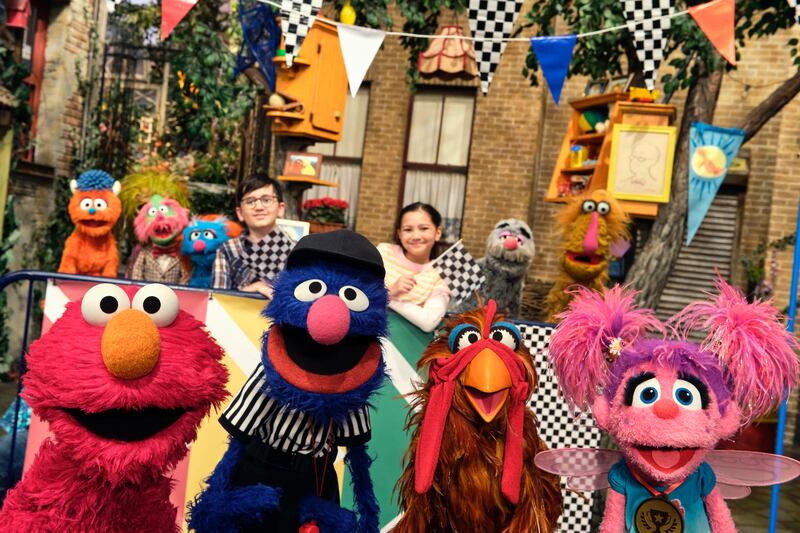
That’s why the cartoon overlays feel redundant, especially with a whole other animated segment on every episode; they only undermine the lovely miracle that Muppet characters can still feel intensely real to young viewers. But then, maybe chafing at little extra bits of animation just represents the same failure to grasp what a lot of older parents (or ex-viewers with a sense of ownership over the show) don’t understand about Sesame Street: It has aged down over the years.

Earlier incarnations were aimed at preschoolers; now viewers are often as young as two, and the show reflects that. (It’s also why the recycling makes sense; few current viewers were watching the show three or four years ago, and even fewer than that would mind some repetition.)
Still, the biggest problem with this new Netflix season is that whatever deal has been worked out may not be paying for enough. The Sesame Street Muppets, and their young audience, deserve more than four delightful 11-minute stories per release cycle. Adults aren’t supposed to be pleading for more Elmo. But once you’ve seen the horrors that await on YouTube, the curation of Sesame Street seems more necessary than ever.