
British Imperialism as a Settler Movement
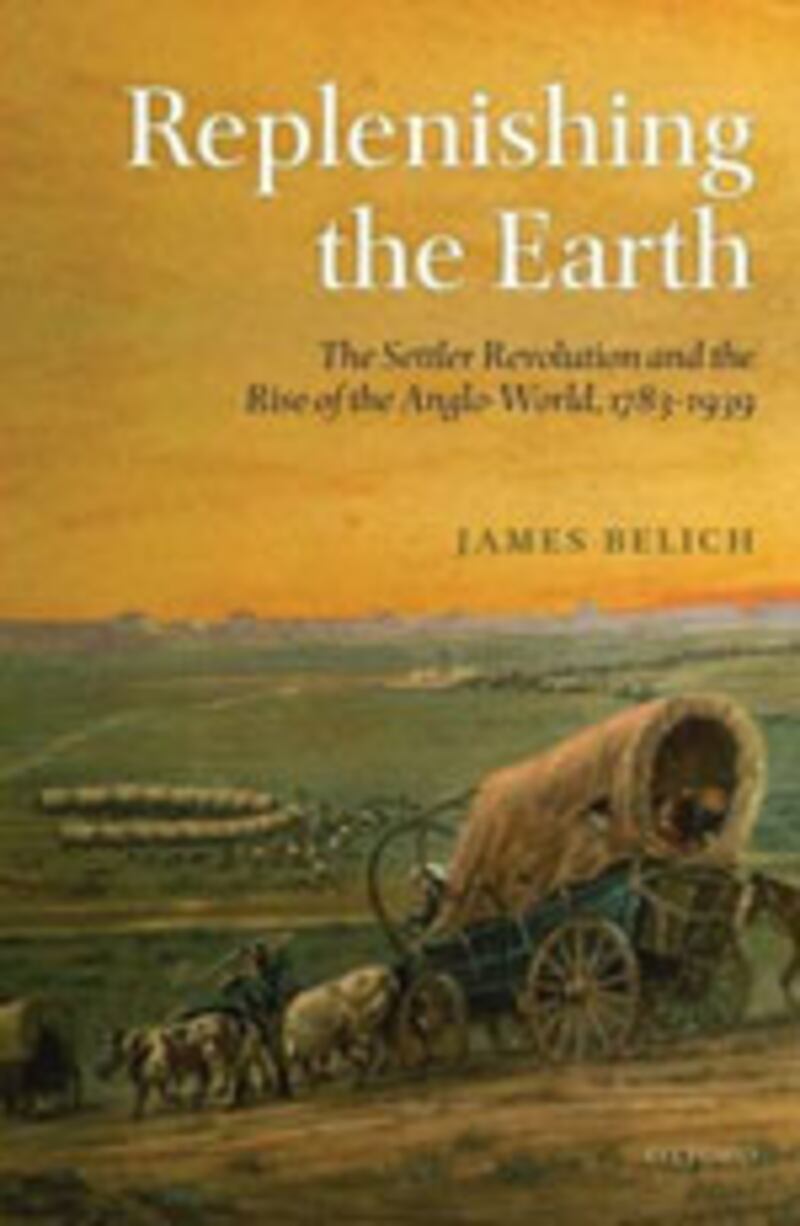
For most recent historians of the Anglo-Americanization of the world in the 19th and 20th centuries, the fashion has been to show the "imperialism" of the process. The startling novelty of James Belich’s Replenishing the Earth: The Settler Revolution and the Rise of the Anglo-World is that it scarcely mentions imperialism at all.
"With all due respect to the rich scholarship on European imperialism, in the very long view most European empires in Asia and Africa were a flash in the pan," Belich writes. According to Bernard Porter in the TLS this week, this is one of the most important works on the broad processes of modern world history to have appeared in years—arguably since Sir Charles Dilke’s Greater Britain which introduced a similar concept in 1868.
The subject is the migration of the British people over the globe, with the aid of a certain state power afforded by the Royal Navy, occasional military expeditions to pull the migrants out of trouble, and by charters and treaties—but not in order to dominate anyone. Rather, the aim was to reproduce British-type "free" societies, usually freer than Britain’s own, in what were conveniently regarded as the "waste" places of the earth. Belich calls this "cloning." It was an entirely different process from the more dominating sort of "imperialism," representing a different philosophy, involving different social classes, and mainly affecting different regions of the world.
Belich believes that this was was a far more important influence than what is generally understood as imperialism on the whole course of modern history. Others are likely to find this hard to accept.
The Australian Red Train
A popular Russian joke of the post-Stalin era visualized Soviet history as an erratic train whose problems generated characteristic responses from successive leaders—Lenin, "Passengers, get out and finish building the line!"; Stalin, "Shoot the driver!"; etc.
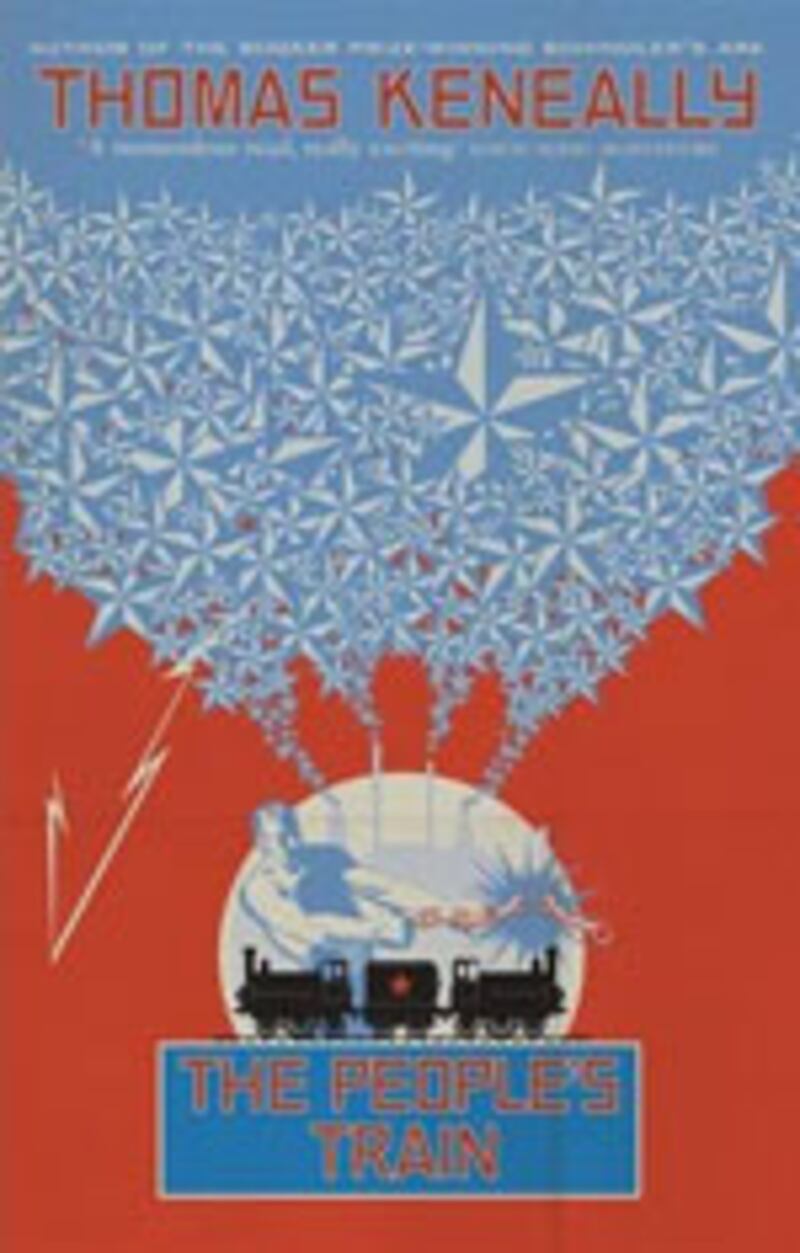
Thomas Keneally’s new novel, The People’s Train, takes a Bolshevik engineer to Australia in the 1910s. Before the revolution, he makes a mere monorail for Brisbane. After he has returned to Russia in 1917, "the people’s train" stands for revolution itself in the characters’ feverish motion from place to place.
Catriona Kelly in the TLS is only partly impressed by the latest work from the author of Schindler's Ark. Tolstoy’s Anna Karenina, she says, offers panoramic views of history through train travel. This book is more like an early newsreel, with no search for larger historical causes.
Keneally writes that he hopes to keep his "narrative powder dry" for a possible sequel. "A little more saturation in contemporary sources, and a greater sense of experience, as opposed to ‘adventure,’ might make for a more compelling ride," she concludes.
William Golding and the Capacity for Evil
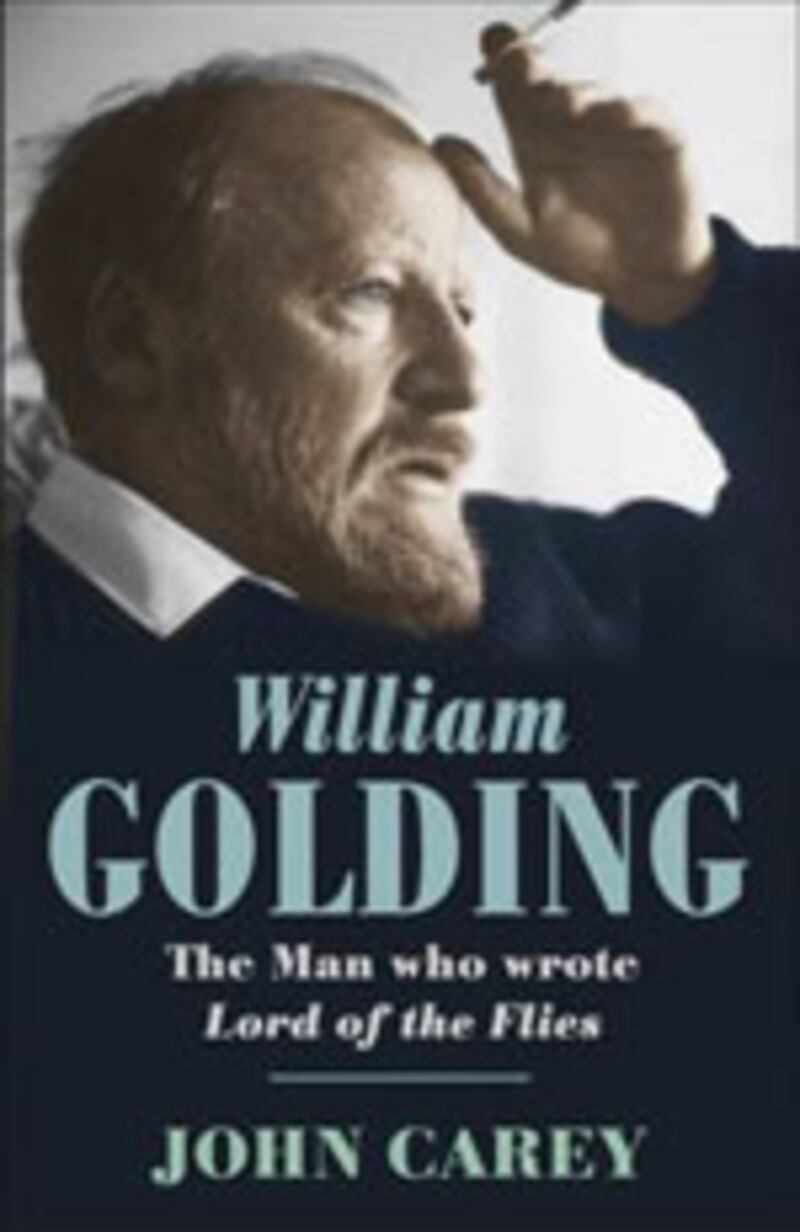
Allan Massie reviews John Carey’s biography of William Golding which has attracted most attention in Britain for its claim of a failed teenage date-rape by the future author of Lord of the Flies. More importantly, Carey notes how little idea the Nobel Prize-winner had of how his novels would develop in the course of their composition. Golding had a particular "inner bewilderment" about Darkness Visible. He also had a keen appreciation that for the manuscript of his most famous work a mere £100,000 after tax was not enough.
Plus: Check out Book Beast for more news on hot titles and authors and excerpts from the latest books.
Peter Stothard is editor of the Times Literary Supplement. He was editor of The Times of London from 1992-2002. He writes about ancient and modern literature and is the author of Thirty Days, a Downing Street diary of his time with British Prime Minister Tony Blair during the Iraq war.