
Shaukat Aziz was a millionaire and former Citibank executive when he was tapped by military ruler Pervez Musharraf to be Pakistan’s finance minister in 1999. There were successes. The International Monetary Fund praised Aziz’s handling of the economy, and in 2004 Musharraf pushed through his ascension to prime minister. But as is typical in Pakistani politics, there was plenty of turmoil. While Aziz campaigned for prime minister, a suicide bomber blew himself up in the car next to his, killing his chauffeur. He escaped and ended up being the first Pakistani prime minister to serve out a full term in office.
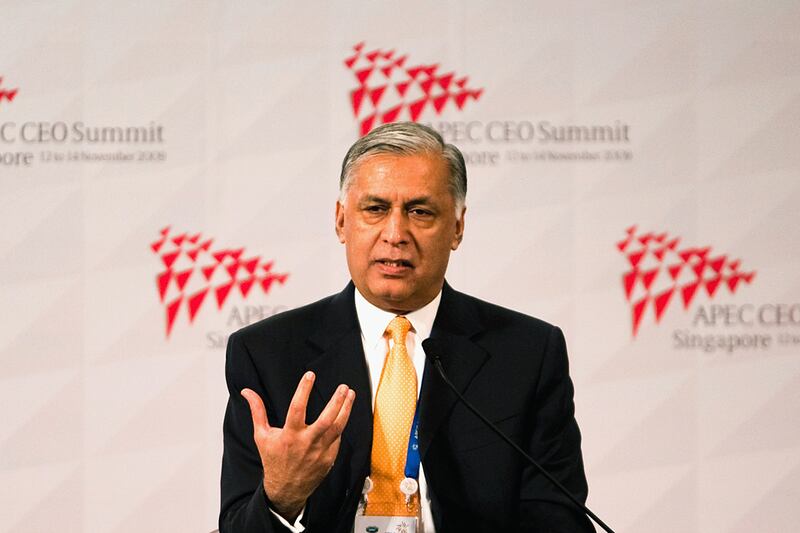
With Musharraf losing his grip on power, Aziz left government when his term expired in late 2007. As relations between Washington and Islamabad hover at a monumental low, Aziz spoke with NEWSWEEK about the way U.S. problems in Afghanistan are destabilizing South Asia, Pakistan’s anxiety over the American raid in Abbottabad that killed Osama bin Laden, and how he thinks his country—despite all its problems—still has the potential for greatness and, yes, the right to hang on to its nuclear weapons.
On the fallout from the U.S. raid that killed Osama bin Laden in the military town of Abbottabad, where Aziz attended school.
I was just in the United States. The perceptions there have changed, certainly, about Pakistan. And then the feedback I hear from Pakistan is anger and disappointment. So I think there’s work to be done.
On U.S. suspicions that parts of Pakistan’s intelligence service, the ISI, have been helping extremists.
I would say very emphatically that that doesn’t help anybody. And I have always found the ISI to be very professional and very committed. I think it is a serious intelligence failure on our part. And I think it has been recognized. We now have to repair the damage and look ahead.
Pakistan has to be supported by its friends. Our military is the same military which was given kudos by your government and many other governments, and this is the same intelligence agency that has been a valuable partner [to America] over many years.
On whether the recent breach by insurgents at a heavily guarded naval base in Karachi raises legitimate concerns about the security of Pakistan’s nuclear arsenal.
Pakistan is a responsible country. Every major country in the world has had incidents where the system fails to pick up things which they should have picked up. I’m referring to Osama bin Laden, and I can name many others in other countries. What happened in Karachi again is very disappointing. But the nuclear assets are well secured and will always remain so. The security at nuclear facilities is at a very different level.
On religious extremism and terrorism in Pakistan.
We have to address this issue. We will do it ourselves. Pakistan is a proud nation. We are in a bit of a rough patch at the moment, but we will cope with it.
On an assassination attempt against him.
The only thing I would say is that the attack strengthens your resolve to oppose and fight extremism and to think more about the root causes. We have to look at this issue by stepping back a little. Pakistan and Afghanistan are joined at the hip. The presence of foreign troops in the region—Afghanistan has a history, they’ve always opposed it. When they oppose it, they then look at how they can show their discomfort or dislike. Pakistan gets a lot of that flak. Sometimes we tend to forget that. … If the situation normalizes, Pakistan can pick up very much. We have excellent demographics. Of the country’s 175 million people, almost 100 million are below the age of 20. They are a big opportunity if channeled properly.
Mike Giglio is a reporter at Newsweek.