In foreign policy, grand strategy is the art of reconciling means and ends. Can someone please tell the leading Republican candidates for president?
After Sept. 11, when George W. Bush foolishly thought that America’s means were virtually infinite, he defined our ends in the war on terror as not only defeating al Qaeda but eradicating the Taliban and overthrowing Saddam Hussein. Now that it is painfully clear how limited America’s means actually are—with the country deep in debt and Americans bone-weary of our wars in Afghanistan and Iraq—you might think the Republican candidates would consider scaling back the war on terror’s scope, especially with al Qaeda on its knees.
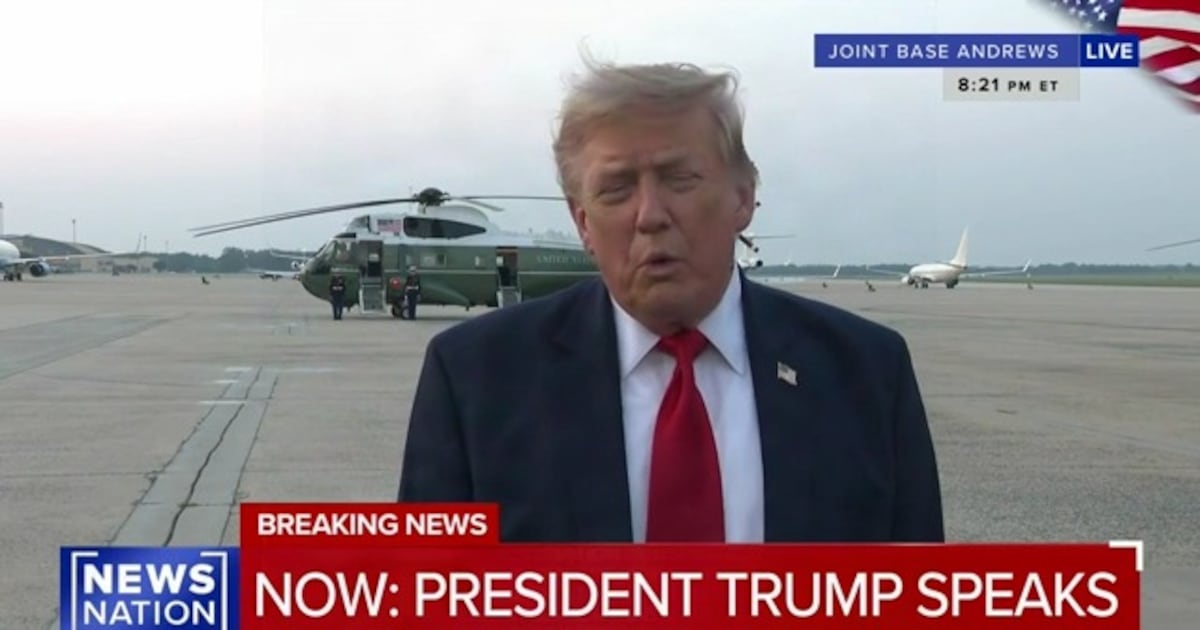
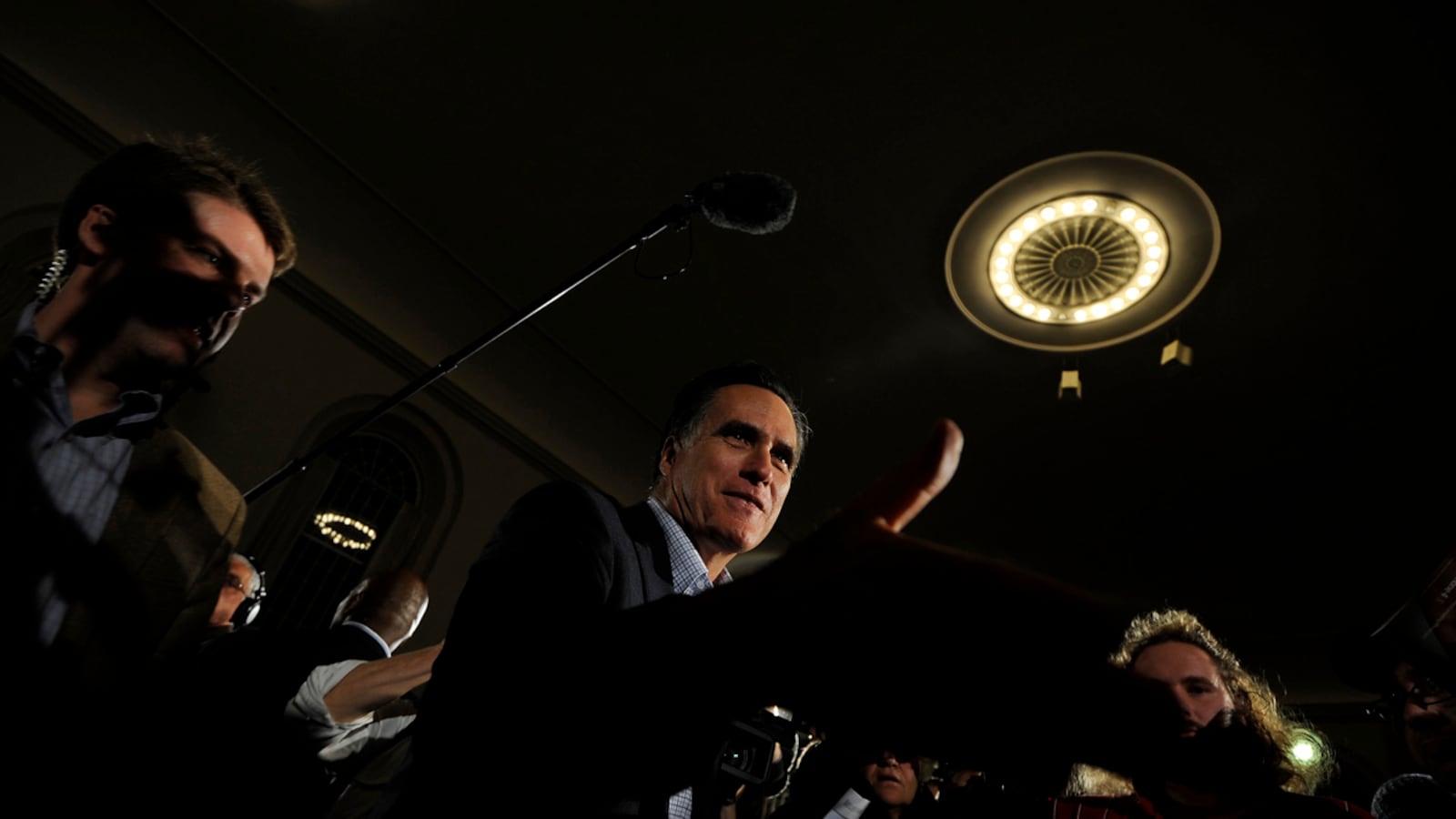
In fact, it’s the opposite. The gap between American means and Republican ends just continues to grow. At the New Hampshire debate, it started with Mitt Romney denouncing Barack Obama’s efforts to cut the defense budget (without, of course, suggesting how he’d reduce the deficit without touching defense and homeland security, which together constitute more than half of all discretionary spending). Rick Perry called on the United States to send troops back into Iraq, noting that if we do not, our soldiers will have died there in vain. But best of all was Newt Gingrich. Asked whether the U.S. should bring troops home from Afghanistan, Gingrich waved away the question as too small and instead explained that Afghanistan was only a small part of a much larger, virulently dangerous, Cold War–like menace that stretches from Pakistan through Egypt. And what is this threat? As Rick Santorum helpfully explained, it is “radical Islam.” And what is radical Islam? It’s a catch-all phrase that conflates secular despots like Bashar al-Assad and the Sunni militants whom he has been slaughtering. It conflates al Qaeda and the Muslim Brotherhood, though their leaders have hated each other for decades. It conflates Shia Iran and the Sunni jihadis who massacre Shia from Pakistan to Iraq.
“Radical Islam” is to American foreign policy today what “communism” was in the 1960s, when American policymakers lumped together the Soviet Union and Mainland China, even though they were on the verge of war, and assumed that if communists took over Vietnam it would become an appendage of China, even though the Vietnamese hated Chinese domination even more than they hated the American kind. It is exactly the kind of analytically incoherent, ideologically overblown concept that produces foreign-policy ends that vastly exceed national means. No wonder Gingrich likes it so much.