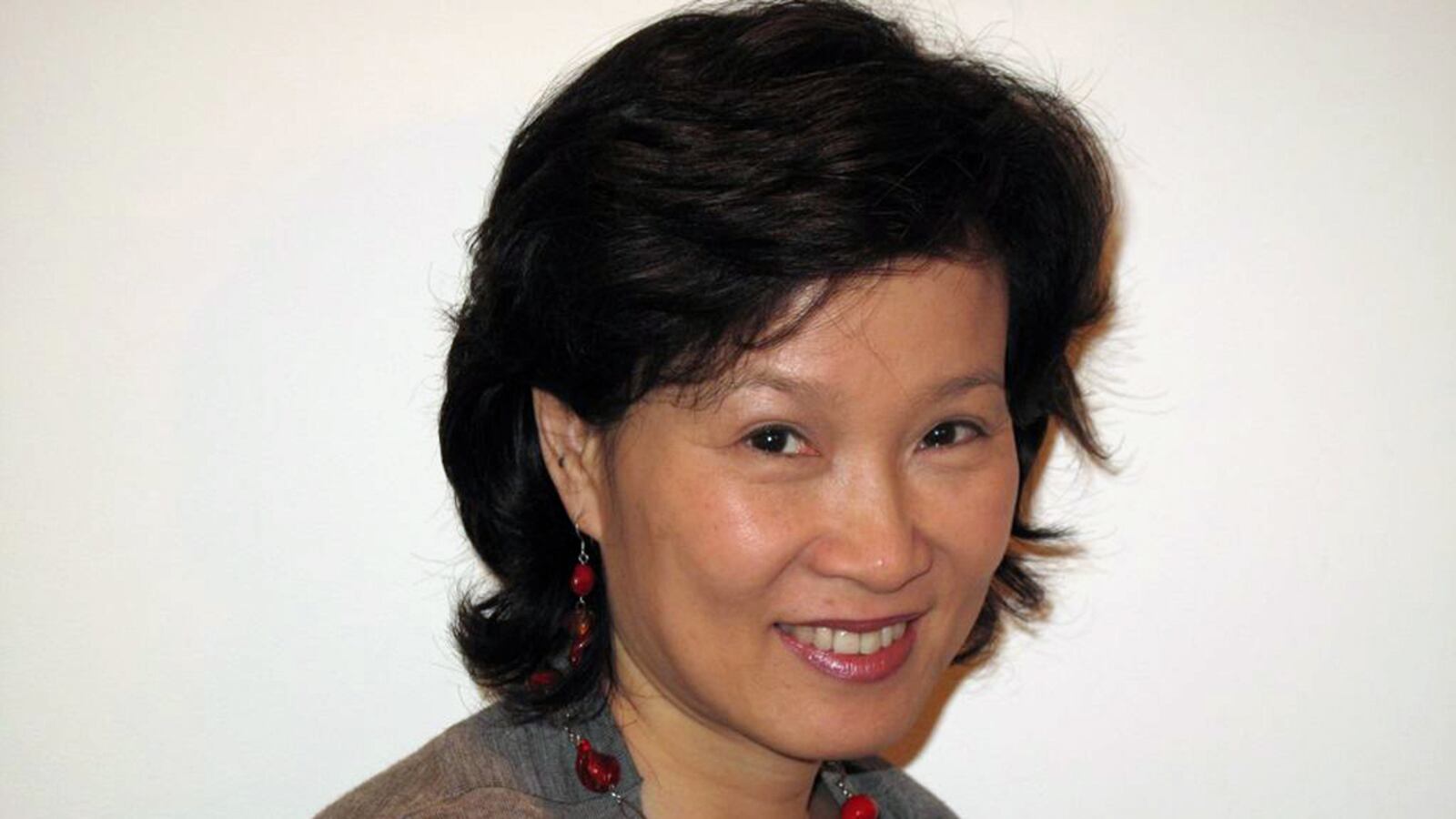
Like so many bright young Chinese who went abroad, Tian Hou made good in the West. After emigrating to the U.S. in 1993, she got a master's degree in public administration at Harvard, and then spent more than a decade with Wall Street firms working as a successful financial analyst. So successful in fact that she raised enough money to strike out on her own. A year ago, she started her own research and advisory firm, T.H. Capital, and returned to China to set up an office in Beijing. Her clients are American institutional investors who want the skinny on U.S.-listed Chinese stocks. Business has been good.
But Hou’s homecoming is all the more remarkable because her resume features a startling twist. In 1989, Hou and her then husband, Wang Juntao, had helped organize protests in Tiananmen Square during the heady but brief-lived “Beijing Spring” in which hundreds of thousands of demonstrators clamored for democracy, civil rights, and an end to official corruption. After Chinese troops opened fire on demonstrators in June 1989, Wang wound up on China's "most wanted" list, and eventually was arrested. Though less well-known than Wang, Hou herself was detained four separate times. When Wang was sentenced to 13 years in prison, Hou launched an energetic campaign to win his freedom, and to improve Chinese prisoners’ rights in general. Wang was released in 1994 and also went into exile in the U.S. (Wang and Hou divorced in 1999).
Hou – who is a panelist during a Friday lunch session on China’s Tiger Women during the Women in the World summit—isn’t the only activist from the so-called “Tiananmen generation” to return home. The 1989 crackdown so shocked the world that many foreign governments opened their doors to Chinese who applied for political asylum.
Now, Beijing is trying to woo talented Chinese back home by offering well-paid jobs and housing subsidies—not to mention a chance to take part in China’s economic boom. Many of those returning to China had participated in the 1989 protest movement (though few were internationally known names like Hou). “I took part in those demonstrations. So many of us did,” says one U.S.-educated returnee who requested anonymity because the topic of Tiananmen remains controversial. “But now’s the time to focus on my career.” Today he works in a prestigious life-sciences lab in Beijing, and says he has more funding and more research assistants than he did in his old lab on the East Coast of the U.S.
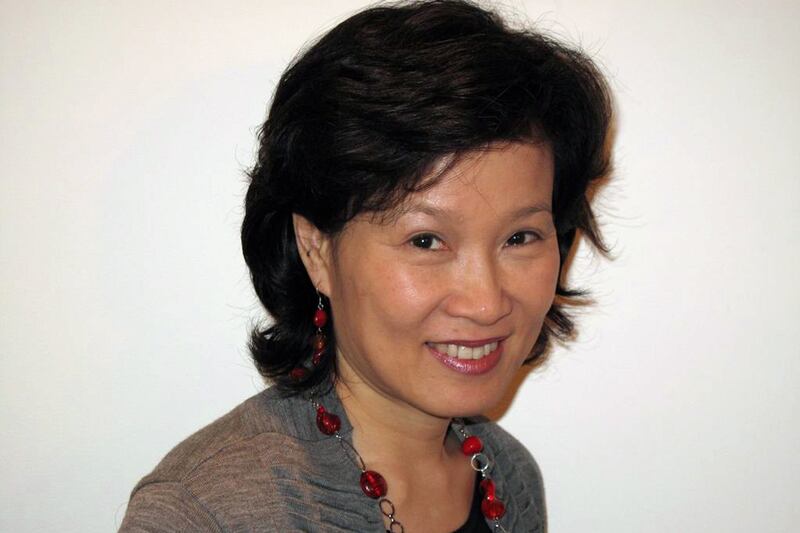
Hou had wanted to return home and visit her family for years. In 1997, she got as far as the Beijing airport, but was denied entry by Chinese immigration authorities. "They told me, 'you have to go back to America,' " Hou recalls, "I was on a blacklist." After being turned away, she began talking with Beijing government representatives, arguing that she never engaged in antigovernment activities but merely sought for implementation of China’s own laws; they were persuaded to allow her back into China for the first time in 1999.
The most famous Tiananmen protest leaders are stilled barred from entering China. But lesser-known former activists relate experiences similar to Hou's. In the late '90s, there seemed to be a shift in the attitudes of government officials, and gradually the numbers of names on the immigration blacklist began to dwindle. More and more Chinese, who had protested in the streets in 1989 and then forced into exile, are today finding jobs in offices, universities, and research centers back home in Beijing and other major cities.
Some encounter a degree of culture shock. “There’s no question that material standards in China have improved a lot,” says Hou, “Thirty years of economic reform brought a lot of good things—and also some bad.” She found that the pursuit of material wealth is a much higher priority for young Chinese than it was two decades ago, and the gap between rich and poor has grown. Rural children lack the educational opportunities that city-dwellers enjoy, and some grow up in the absence of their parents who’ve left the countryside to work in the cities. “I’d like to help them. Some young people are growing up without a sense of right and wrong. That worries me.”
Hou has seen firsthand the life of the Chinese underclass. While in detention from November 1989 until April 1990, Hou shared a tiny 16-square-meter cell alongside 15 to 18 other female prisoners including prostitutes, counterfeiters, and—at one point—a murderer. Hou slept on a sheet of wood placed over a hole in the floor that served as a common toilet; at night she covered herself with a filthy, greasy quilt normally used to cover cabbages. In a different detention facility, she and other inmates were handcuffed behind their backs 24 hours a day. A government functionary at the time, Hou insists that “life just pushed me into becoming a human-rights advocate. I didn’t choose that role.” She admits her background is an unusual one for a Wall Street veteran. “It doesn’t fit the Goldman model,” she jokes wryly, “I spent five years on human rights. Then 10 years on Wall Street. Now it’s time to turn a new page in my life.”