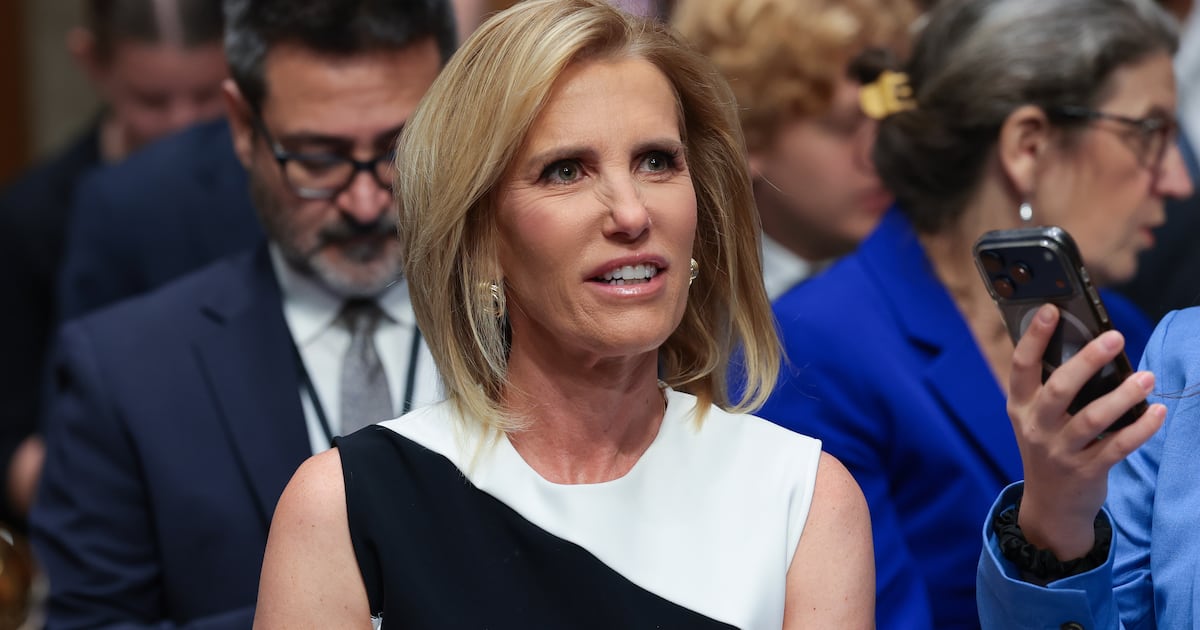

During “The Digital Lives of Girls,” social media activist Chelsea Clinton introduced five inspiring young women who are using the power of the Internet for good.
With so many negative images constantly splashed on TV and across websites, it’s increasingly difficult to cut through the noise. One young writer, Julie Zeilinger, is doing an admirable job as the founder and editor of The FBomb, a feminist blog geared toward teen girls. Zeilinger founded the site when she was only 16 years old, after deciding that there must be more high schoolers like her who were interested in discussing women’s issues and injustices.
Clinton asked her if, as a young woman, she still must explain to friends why it’s important to believe in feminism. Zeilinger said, “In our generation, we look at our lives and think we have pretty good ones—with The FBomb, I try to showcase stories of women and girls who don’t have it as good as we do. I’m trying to create a space to raise awareness about that.” Since 2009, her blog has evolved into a community of tens of thousands who share their stories. (Read more about Zeilinger’s mission on The Daily Beast.)
Crystal Ogar, an activist and blogger with the SPARK Summit—which protests the oversexualization of girls and women in media—encouraged others to fight the Internet’s sometimes damaging portrayals. “Young women have many things to say, and they need to be heard,” she said. “Social media is why I’m here…It opens up a whole space where you can learn so much. The community you define on the Internet proves there are so many people out there who can back you up.”
The Internet has places to “make people comfortable and feel less crazy and less alone,” said Shelby Knox, the director of women’s rights organizing for Change.org. “You can connect with other women around the world and realize we are far more similar than we will ever be different.”
The best way to capture an audience, says Knox? “Stories are key. We as humans want to connect with each other—since we were sitting around the campfire, we have been telling stories. For my generation, we’re able to receive all these messages online, and on Change.org we can take on the corporations and take on the Man.”
Clinton responded, “Isn’t it funny how it’s always fighting ‘the Man,’ and not ‘the Woman?’”
Emily-Anne Rigal, the founder of WeStopHate.Org, has a large following of teenagers who look to her site to share their stories. One way she is able to quickly spread a positive message is by posting new, inspiring pictures on Facebook every hour.
Clinton pointed out that many people are more concerned about the perils of social media than they are excited by the promises of it—and asked how more people can be convinced of its benefits. Knox said, “The Internet is how we cut through the noise and come together. The first key to organizing is trust, and women want to know how they are powerful—the Internet is how they are powerful.”
Noorjahan Akbar, the cofounder of Young Women for Change, which empowers women across Afghanistan through social media, said it must be harnessed in the correct way—and if everyone joins together, the positive messages will drown out the noise. “We have enough hateful voices every day, we don’t need that on the Internet. Spam them, block them, or at least say something positive to make up for what they’re saying.”