
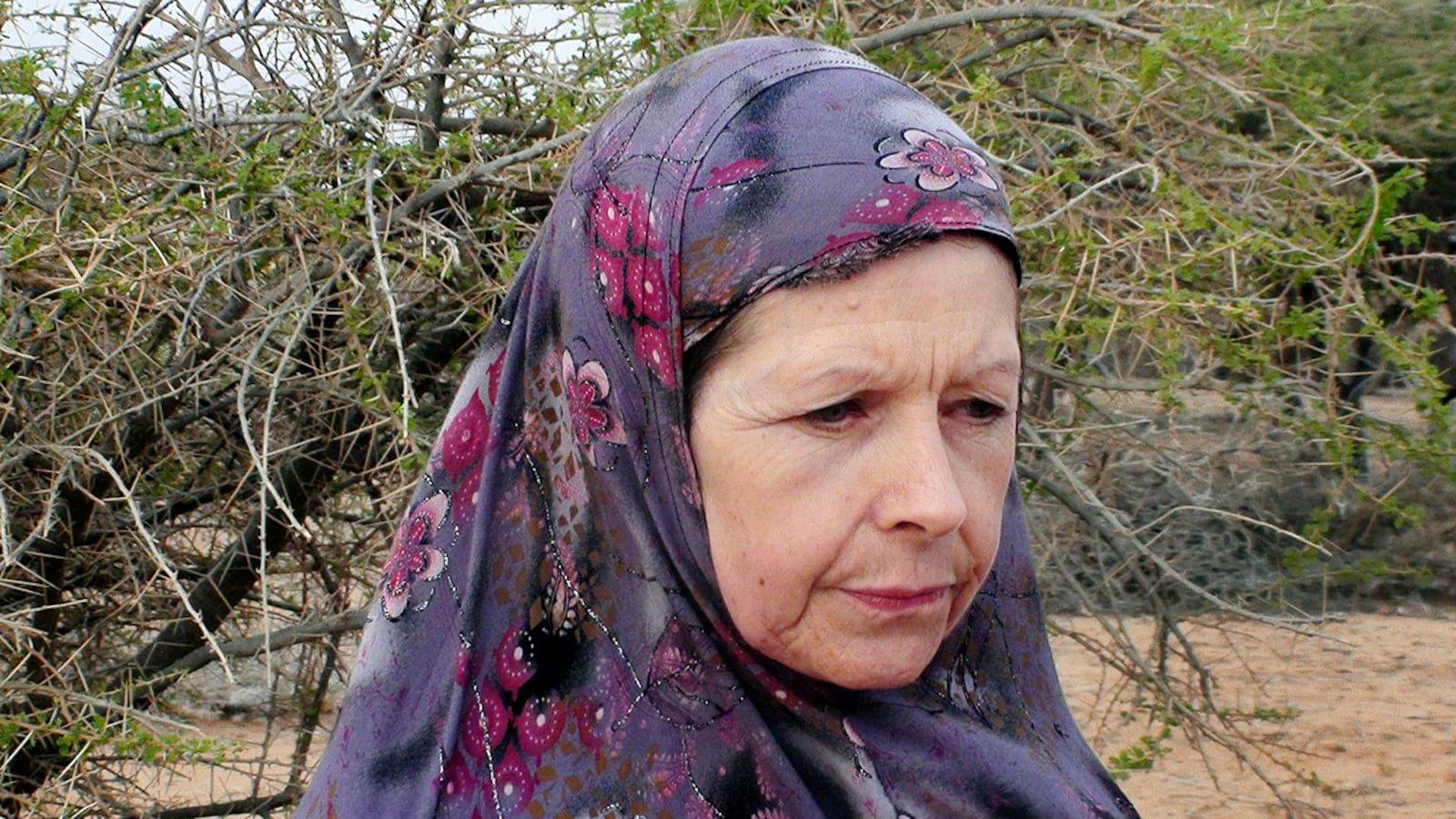
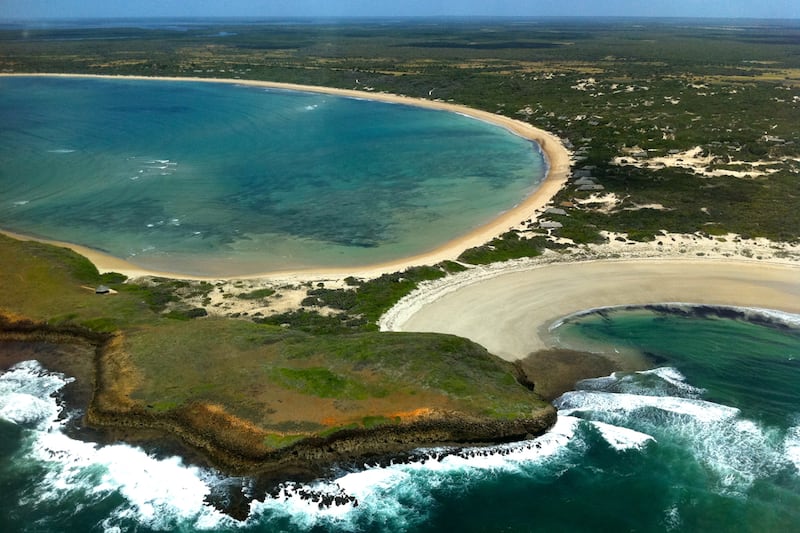
With her recent release from captivity, Judith Tebbutt may soon be able to close a grim chapter of her life. Her ordeal began just past midnight on Sept. 11, 2011. That’s when six gunmen abducted the 56-year-old British social worker from the luxury grass hut where she and her husband were staying at Kenya’s Kiwayu Safari Village, 25 miles from the Somali border. She would spend the next six and a half months as a prisoner in a pirates’ den near the Somali coastal town of Haradheere. After two weeks her captors let her speak by phone to her son, Oliver. He had to break the news that her husband, 58-year-old David Tebbutt, had been shot dead during the attack.
Video footage of Mrs. Tebbutt from the day of her release shows a stoic if dazed survivor, malnourished by an unvarying diet of goat meat and plain spaghetti. She spoke kindly of her captors, saying they had treated her well. To some observers it sounded like a classic case of Stockholm syndrome. And yet compared with some of the other hostages still languishing in Somalia, she was relatively fortunate to get home so soon. One South African couple has been missing for the past 18 months since being kidnapped aboard their yacht off the Tanzanian coast in October 2010. Altogether, hundreds of foreign citizens are currently held hostage in Somalia, mostly crew members belonging to captured merchant ships.
Few of them can expect salvation to drop from a moonless sky, as it did for Jessica Buchanan last month. On the night of Feb. 25, members of U.S. Navy SEAL Team 6 seized a window of opportunity to rescue the American aid worker and her Danish colleague, Poul Thisted, who had been kidnapped on Oct. 25. Tebbutt could only have wished for such an ending. Instead the job of gaining her freedom fell to “Ollie” Tebbutt, the couple’s only child, who led efforts to raise the $1.2 million reportedly demanded by his mother’s captors. In theory, at least, the surprise factor of “pinprick” operations by elite forces should discourage abductions of aid workers and tourists. At least eight of the aid workers’ captors were killed in the rescue. At the same time, there’s little doubt that giving in to the hostage takers’ demands can only lead to more kidnappings. But what else could Judith Tebbut’s son do?
That’s the dilemma that plagues anti-pirate policy—and the problem in Somalia just keeps growing. From 2005 to 2010, the average ransom for a captured commercial vessel catapulted $150,000 to $5.4 million, according to a study by the antiwar foundation One Earth Future. Between 2009 and 2010 alone, the figure jumped 60 percent. “Ransoms for ships have gone up fourfold since 2008, when the current phase of ship hijackings began,” says Capt. Pottengal Mukundan, director of the International Maritime Bureau’s Piracy Reporting Center. “I do not recall individuals being kidnapped then. In both cases these are despicable crimes against weak and helpless victims and should be condemned.”
At an international conference in London last month on rebuilding Somalia, British Prime Minister David Cameron denounced ransom payments. “In the end they only ensure that crime pays,” he said. His words are echoed by a spokesman for the British High Commission in Nairobi. “We believe that paying ransom encourages future kidnappings,” the spokesman has said, emphasizing that the government is working on the problem: “At the London conference, the U.K. announced the creation of an international task force on pirate ransoms… to better understand the ransom business cycle and how to break it”.
That may be a comfort to the owners of captured ships, especially if they have good insurance. But what is a hostage’s family supposed to do, other than hand over the money? “I do not believe that refusing to pay ransom is an acceptable alternative for those involved,” says Captain Mukundan. No one seems to have a better answer. “You either have to pay ransoms and perpetuate the system or you have to be willing to take direct military action on land, risking the lives of all involved, says a U.S.-based authority on piracy and international crime. “Unfortunately there’s not much in the way of middle ground—at least for those already captured.”
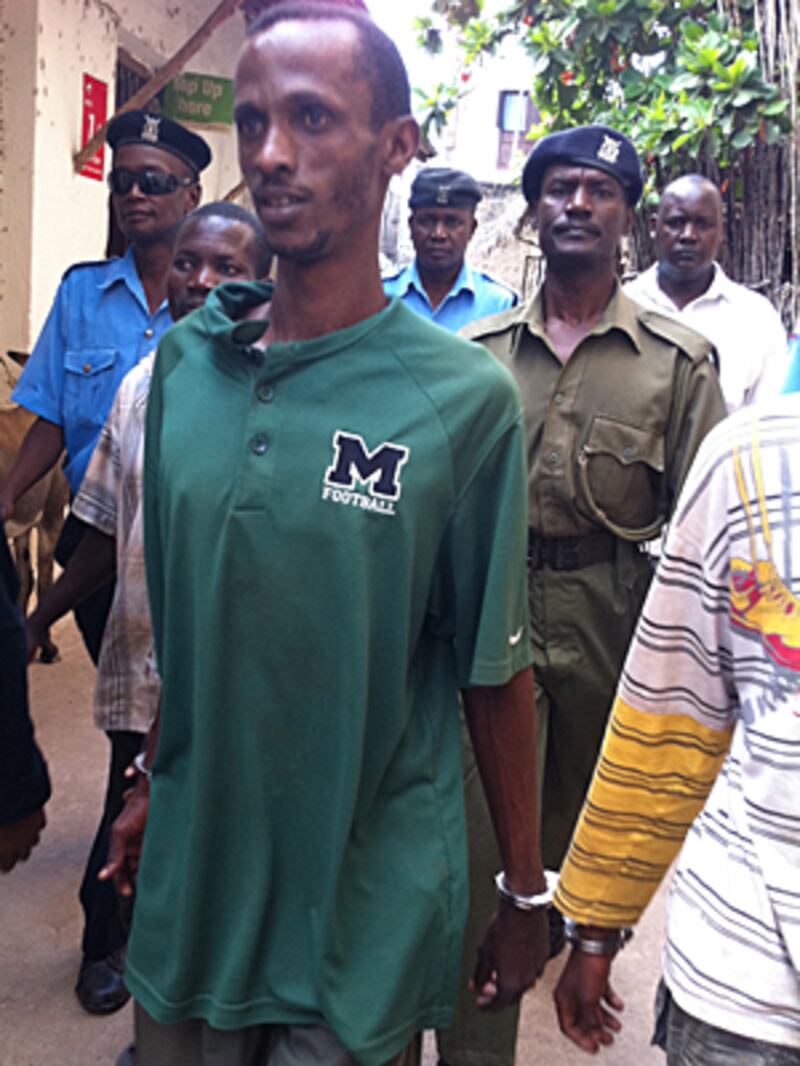
Although Judith Tebbutt is safely home, residents and business operators in areas along the East African coast worry that the mere mention of a hefty ransom payout will encourage further piracy. The truth is that Somalia's thugs don't need The Daily Beast to tell them how the ransom market is doing. Still, the tourist economy has been hit hard by the kidnappings. Perhaps even more disturbing is that Tebbutt's abductors apparently remain at large. So far, the only arrests in connection with the crime have been two men who were charged with stealing Ms. Tebbutt's handbag, which contained her passport and other belongings. The suspects, Ali Babitu Kololo, 25, and Issa Sheikh Saadi, 37, denied any responsibility for the kidnapping of Judith Tebbutt or the murder of her husband. Kololo testified in court that the gunmen had forced him to take them to the resort. He turned himself in to police the next day, he told the court. Kololo remains in custody in a Mombasa prison. Saadi was freed for lack of evidence.
According to a senior intelligence officer who is not authorized to speak to the press, Kenyan authorities know the names of the seven gunman—five of them Kenyan nationals from Kiunga—who came by boat from the town of Ras Kiomboni in Somalia to the Tebbutt's beach resort on the night of Sept. 10. The officer says he has hard evidence that the alleged ringleader of her kidnapping was Kahale Famau Kahale, a former lobster fisherman from the town of Kiunga, a town 44 kilometers (26 miles) north of Kiwayu, just inside the Kenya border. "The moment the hotel was attacked, we knew he must be the one responsible because from the look of the issues, the attackers must be people conversant with the facility," Lamu West's district commissioner, Steven Ikua, told a reporter with Kenya’s Daily Nation shortly after the Sept. 11 murder-kidnapping. Now in his early forties, Famau is believed to have been associated with the al Qaeda-aligned Somali Islamist group Al-Shabab since 2006. He is nicknamed Mfalme, or "King," apparently for his arrogance.
Authorities in Kenya would love to get their hands on him. “We have sufficient evidence to charge [Kahale] with murder, abduction and robbery in connection with both the Tebbutt and Dedieu incidents,” the intelligence officer told The Daily Beast yesterday. He was referring to Marie Dedieu, a 66-year-old disabled Frenchwoman who was abducted from her beachfront grass hut in the early hours of Oct. 1. The retired journalist, suffering from cancer and deprived of her medications, fell into a coma shortly after her capture and died soon afterward in southern Somalia. At the time of the Dedieu kidnapping, Kahale was holed up in southern Somalia’s port town of Kismayu. Still on the run more than six months later, he is believed to be in hiding near Mogadishu.
The kidnappings and the war across the border in Somalia have plunged Kenya’s coastal residents into their own version of a post-9/11 world. Business operators in East Africa’s tourist areas struggle to deal with circumstances that seem increasingly random and unpredictable. Hotel owners assert that foreign embassies are unfairly singling out Kenya with a blanket ban on travel along the country's north coast. One peeved manager of upscale villas in Lamu complains of having received as many as 500 cancellations. “There are grenades going off in Nairobi, murders in Mexico, lunatics in France and Sweden,” the manager fumes, presumably thinking of Anders Breivik’s deadly rampage in Norway. “No one is suggesting travel bans there." If it’s any comfort to the resorts’ proprietors, representatives from the U.S., Australian, Canadian, and British embassies have visited the region in recent weeks to reassess security. “We are modifying our warning at the moment and should have text soon,” a spokesman for the U.S. Embassy has said.
Can Judith Tebbutt expect to see justice done? British authorities aren’t ready to give up. The Independent says Tebbutt is to begin interviews with Scotland Yard “once she has acclimated.” So far there’s no telling what information she might be able to provide. Did she see the face of her husband’s killer? Does she remember the faces or voices of the men who dragged her down the long, sugar-white beach under the full moon, and into the skiff that disappeared into Somali waters? Her story may not end at Scotland Yard. Kenyan law-enforcement officials confidently predict that eventually they will ask her to come back and testify in court against her erstwhile captors. At present, however, those criminals are on the loose—and almost certainly planning their next big score.
CORRECTION: In the original post, the alleged ringleader's name was given as Famau Kahale Famau.