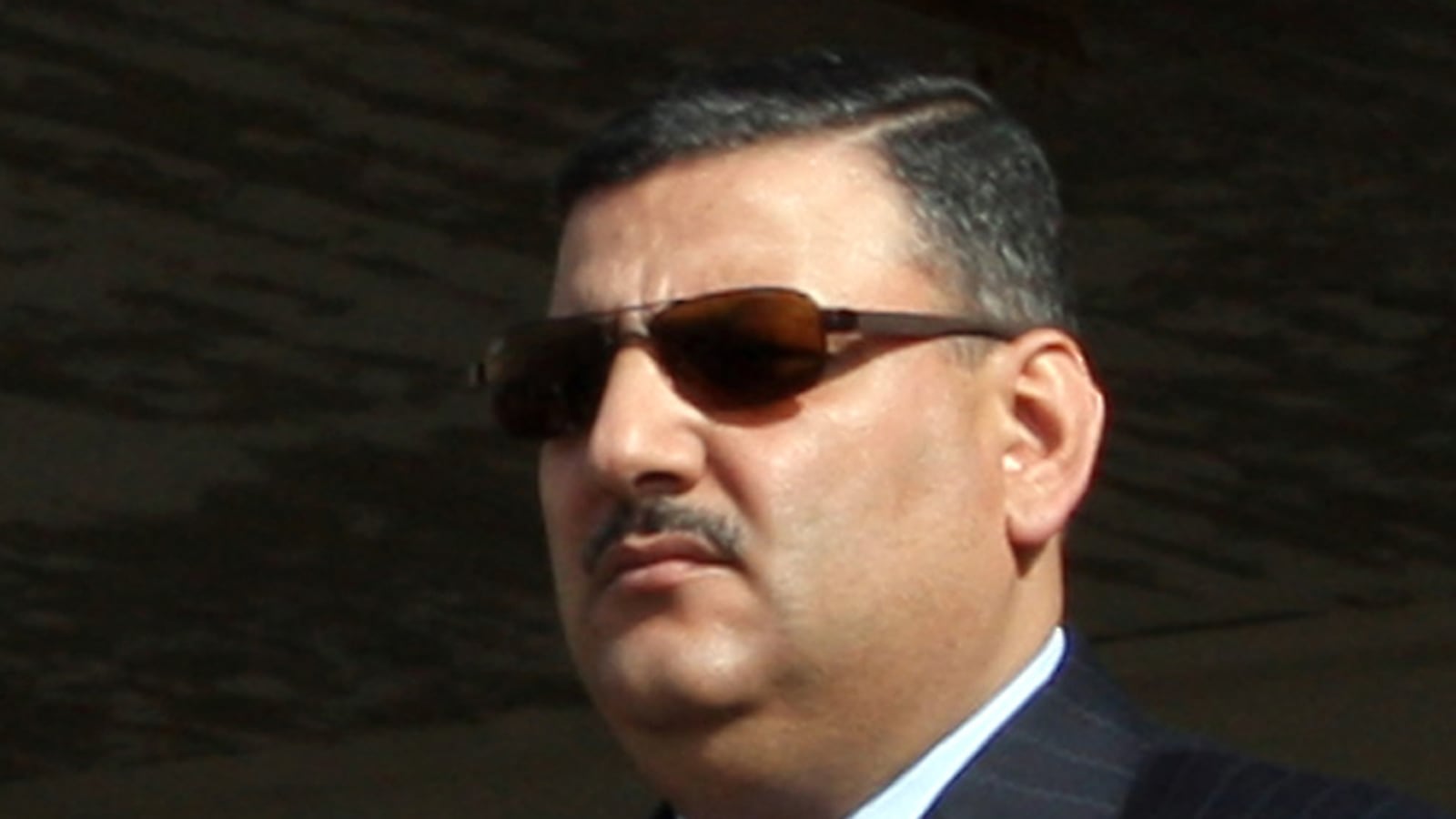
He’d only been in office for two months—but that was apparently all the time Riyad Hijab needed to decide that the job of Syria’s prime minister was not for him.
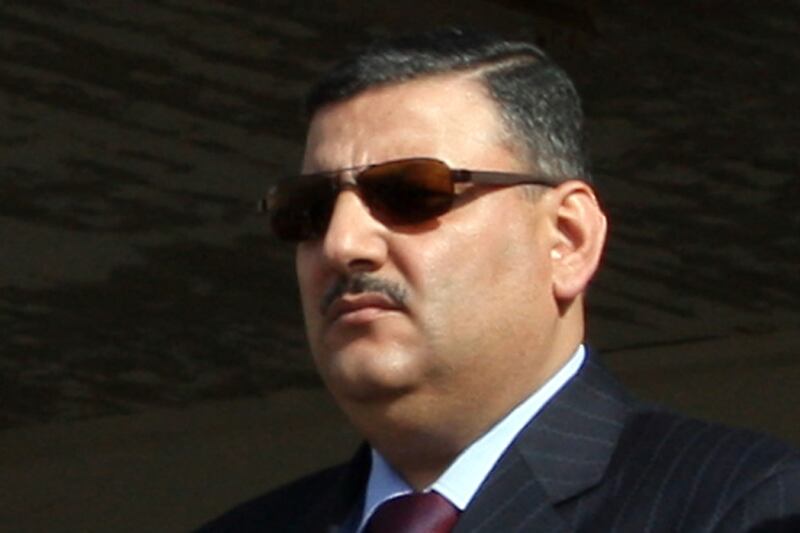
Hijab bolted for Jordan today amid competing claims over what exactly took place—state media reported that he’d been fired, while Hijab’s spokesman countered that he’d defected with his family, with some additional officials and military officers also in tow.
The spokesman, Mohammed Otri, took to Al-Jazeera with a defection statement on behalf of Hijab. “I announce today my defection from the killing and terrorist regime and I announce that I have joined the ranks of the freedom and dignity revolution,” the statement said.
Otri also painted the defection as something that had been in the works since before Hijab’s ill-fated appointment as prime minister was even announced. “Zero hour was delayed on many occasions,” he said, adding that the members of the rebel Free Syrian Army had helped with the escape. He encouraged other government ministers to do the same.
He added that Hijab had been faced with an ultimatum when he was offered the post by Syrian President Bashar al-Assad in June: take it or die.
A former agriculture minister, Hijab’s appointment was seen as a move to shore up the regime’s faltering legitimacy on two fronts. It came on the heels of parliamentary elections intended to let some steam out of the push for regime change, which the opposition painted as little more than a political stunt. And Hijab is Sunni Muslim, the group that makes up the bulk of Syria's population. Assad has long sought to install Sunni faces into high-profile positions in his predominately Alawite regime.
But any Sunni support seems to be fading rapidly as the fighting in Syria continues to rage, and the conflict takes on increasingly sectarian overtones. The recent kidnapping near Damascus of 48 Iranians—who were either religious pilgrims or members of Iran’s Revolutionary Guard, depending on who you ask—is the latest example of rebel forces portraying the fight as one against Alawites and their Shia allies in Iran. One of the regime’s top-ranking Sunni members, Manaf Tlass, who was a childhood friend of Assad, caused a stir with his own defection last month, and has since been discussed as a possible leader in tentative transitional government plans.
Sectarian talk is already common currency among rebels and activists on the ground. “We are fighting against something very important—the expansion of the Iranian revolution,” said a man who gave his name as Ismail Mohamed, a coordinator with one of the revolution’s Islamist fighting fronts, who was in the Turkish border city of Reyhanli yesterday to pick up supplies.
"This revolution, it’s just like a chess piece between Iran and Saudi Arabia,” Iran’s Sunni rival, said a seasoned democracy activist in the nearby city of Antakya last night.
Some commentators wondered whether the defection should be seen more as sign of the regime losing Sunni support than necessarily disintegrating—and possibly further retreating into a sectarian trench. But the immediate reaction of the opposition was one of glee. The head of the Syrian National Council, the most prominent opposition group, said Hijab’s defection marked “the beginning of the end” for Assad.
This language has been used increasingly in recent weeks, as Assad has faced setback after setback—from the outbreak of fighting in the country’s two major cities, Aleppo and Damascus, to the constant wave of military defections and the bombing in the capital last month that killed four members of his inner circle. (There was another bombing in Damascus today, this time at the state television headquarters, in a blast that reportedly injured at least three people.) But the sense of duress surrounding the regime this time around seems especially pronounced. Hijab is the highest-ranking civilian to defect to date, and his sudden departure suggests that the Assad may be running out of reliable options when he looks for faces to fill his regime’s ever-emptying seats.