
By Robert Tait
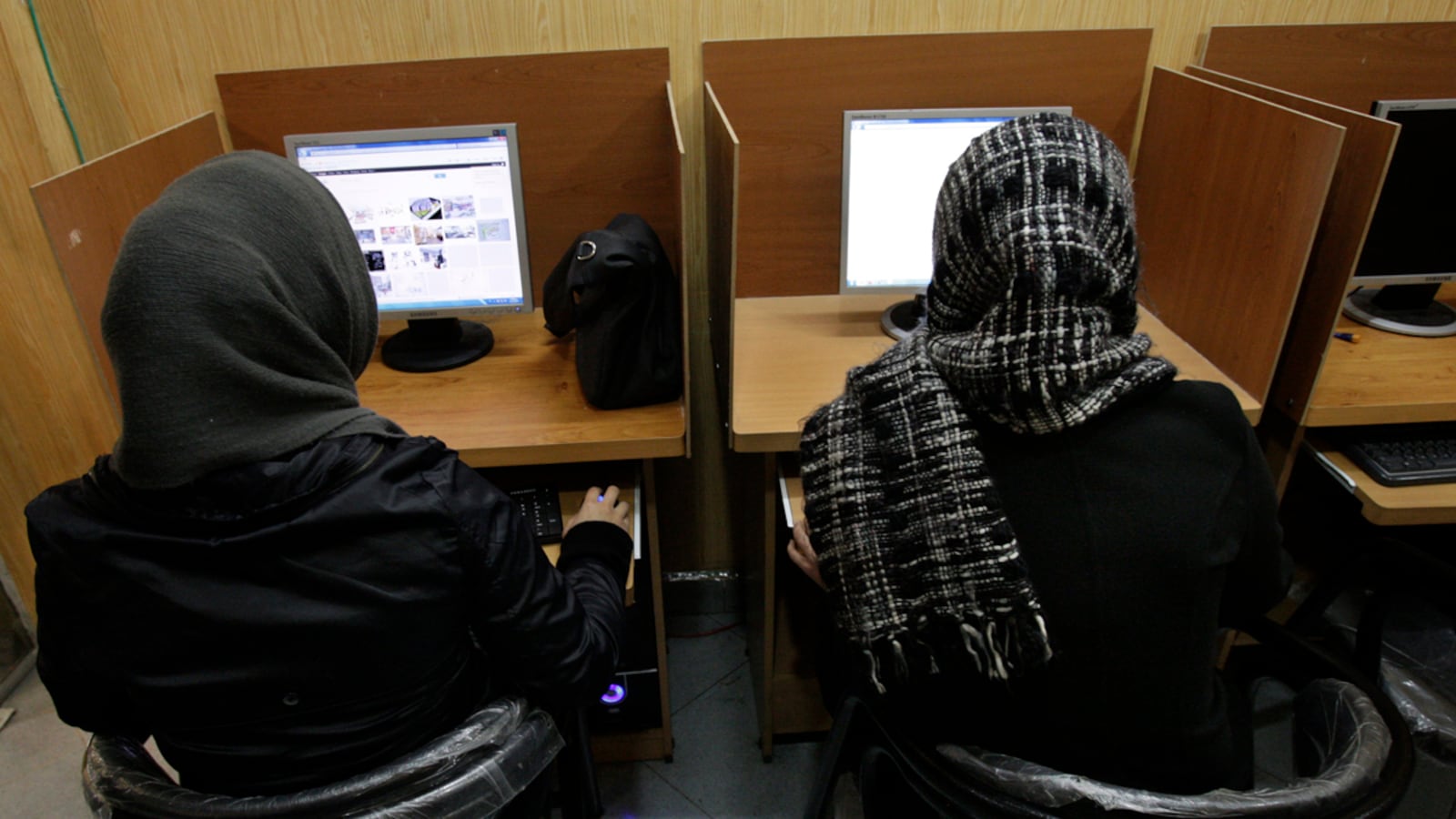
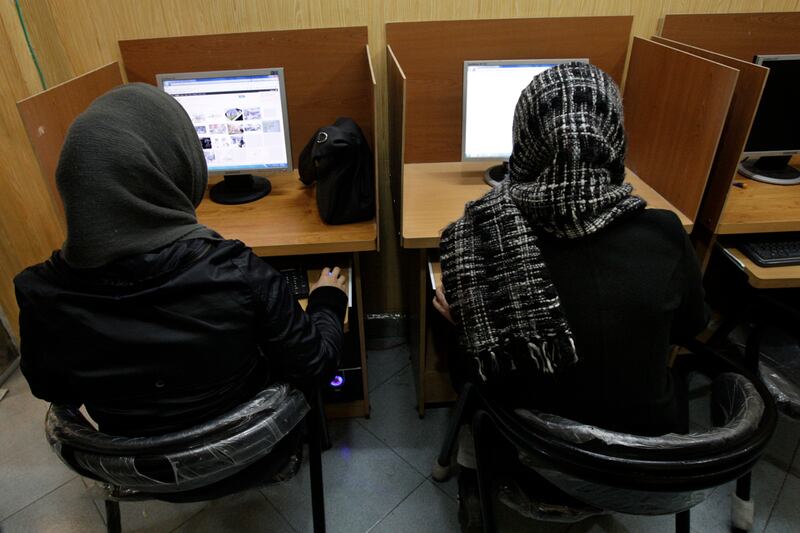
In a move that has prompted a demand for a U.N. investigation by Iran's most celebrated human rights campaigner, the Nobel laureate Shirin Ebadi, 36 universities have announced that 77 B.A. and B.Sc courses in the coming academic year will be "single gender" and effectively exclusive to men.
It follows years in which Iranian women students have outperformed men, a trend at odds with the traditional male-dominated outlook of the country's religious leaders. Women outnumbered men by three to two in passing this year's university entrance exam.
Senior clerics in Iran's theocratic regime have become concerned about the social side-effects of rising educational standards among women, including declining birth and marriage rates.
Under the new policy, women undergraduates will be excluded from a broad range of studies in some of the country's leading institutions, including English literature, English translation, hotel management, archaeology, nuclear physics, computer science, electrical engineering, industrial engineering and business management.
The Oil Industry University, which has several campuses across the country, says it will no longer accept female students at all, citing a lack of employer demand. Isfahan University provided a similar rationale for excluding women from its mining engineering degree, claiming 98% of female graduates ended up jobless.
Writing to Ban Ki Moon, the U.N. secretary general, and Navi Pillay, the high commissioner for human rights, Mrs. Ebadi, a human rights lawyer exiled in the U.K., said the real agenda was to reduce the proportion of female students to below 50%—from around 65% at present—thereby weakening the Iranian feminist movement in its campaign against discriminatory Islamic laws.
"[It] is part of the recent policy of the Islamic Republic, which tries to return women to the private domain inside the home as it cannot tolerate their passionate presence in the public arena," says the letter, which was also sent to Ahmad Shaheed, the U.N.'s special rapporteur for human rights in Iran. "The aim is that women will give up their opposition and demands for their own rights."
The new policy has also been criticised by Iranian parliamentarians, who summoned the deputy science and higher education minister to explain.
However, the science and higher education minister, Kamran Daneshjoo, dismissed the controversy, saying that 90% of degrees remain open to both sexes and that single-gender courses were needed to create "balance."Iran has highest ratio of female to male undergraduates in the world, according to UNESCO. Female students have become prominent in traditionally male-dominated courses like applied physics and some engineering disciplines.
Sociologists have credited women's growing academic success to the increased willingness of religiously-conservative families to send their daughters to university after the 1979 Islamic revolution. The relative decline in the male student population has been attributed to the desire of young Iranian men to "get rich quick" without going to university.