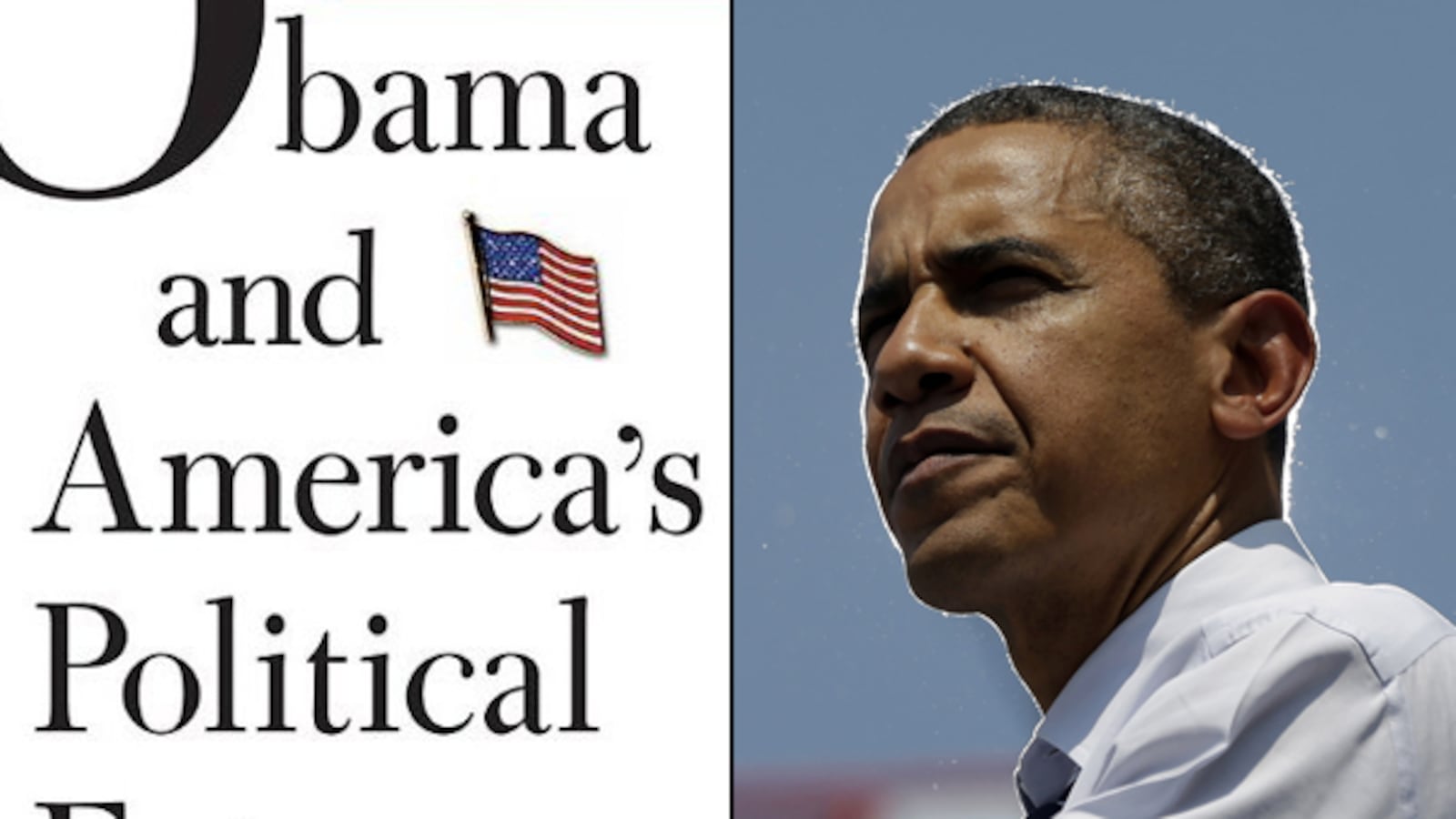
What are we to make of the current American political scene? In 2008 many people argued that a new progressive era had dawned with the election of Barack Obama. Capturing the ebullient mood then, Time slapped a very FDR-esque Obama on its cover with a headline pointing to his “New New Deal.” Then the 2010 elections took place and we heard a different, equally insistent narrative: Obama had catastrophically overestimated Americans’ desire for “big government” and was being punished as a result. Now the president is fighting for his reelection.
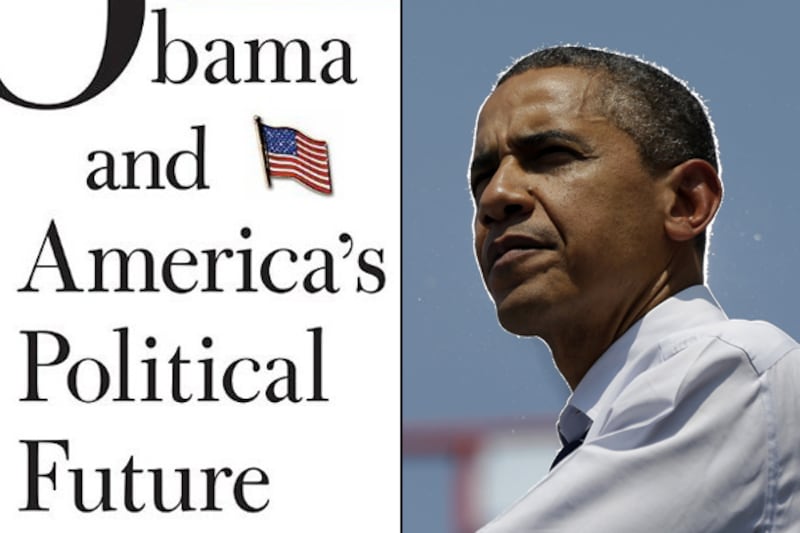
Did America sweep into office a candidate promising to remake health care and then punish him a mere two years later for doing just that? More complicated factors were at work, and the Harvard sociologist and political scientist Theda Skocpol attempts to unravel them in Obama and America’s Political Future. The book consists of her Alexis de Tocqueville Lecture in American Politics, delivered last March, followed by response commentaries from political scientists Larry Bartels and Suzanne Mettler, and former Republican congressman Mickey Edwards.
Whatever is happening with the Democrats, Skocpol’s take-home message is that we need to recognize the substantial rightward slide of the Republican Party—a fact that she says has only been underscored by Mitt Romney’s choice of Paul Ryan as his running mate.
“It is very interesting to me how thoroughly Romney has catered to the Tea Party wing of his party,” she told me. “Both the grassroots version of it and the big-money elite version of it—the Tea Party is both. In Ryan, he picked about as far right a guy as you could on questions of budgets and entitlements and taxes.”
In the book, Skocpol homes in on the Tea Party, the members of which she and her colleagues have spent many hours interviewing. She’s careful to draw a nuanced view of them, to explain that they are not the strict anti-government activists many make them out to be.
“In Tea Party eyes,” she writes, “there clearly are important things the federal government does—including care for veterans along with the dispensation of Medicare and Social Security. Many are ready to support taxation for such worthwhile programs.” But this support for government spending has its limits; Tea Party activists tend to believe that the benefits of these programs should only be enjoyed by those who have paid their dues by having a job and paying taxes. Skocpol sees this belief not as an entirely new phenomenon, but rather an updated version of the very long-running theme on the right that “real Americans” should not have to pay for others.
Whatever the Tea Party’s agenda, Skocpol says there’s no denying the impact it has had on our politics. “At the popular level, where there are genuine activists who have really gone out there and protested and organized into hundreds of groups ... they’ve played a huge role in shaping the presidential debates and the presidential agenda,” she said. Even Senate and (particularly) House Republicans who are not, strictly speaking, Tea Partiers now must keep one eye on the strident, often well-organized movements back home pushing them rightward—movements consisting of activists who would have no compunctions about launching primary challenges.
As for Obama’s performance, Skocpol toes a fine line. She was careful to note that “a lot of the criticism of him is unrealistic,” given the implacable nature of his opposition. “Obama has not done badly, and I hope you don’t get the feeling in the book that I think this has been a failed presidency.”
That said, Skocpol insisted that Obama could have done a much more effective, forceful job of communicating his agenda at a time when Americans were desperately looking to the White House for some sense of purpose or guidance amidst roiling economic troubles.
“Obama needed to explain his economic recovery strategy as he pursued it,” she said, “and he should have called for job-creation policies.” In many senses his approach was too little, too late, both from a policy and a communications standpoint. “I think Obama went for a whole year without explaining his economic recovery pretty well,” she said.
Skocpol also said she was confused by the Obama administration’s decision to push for action on the country’s long-term debt issues—and to reach out to Republicans to help solve it—at a time when the need for unemployment relief seemed like a much more dire priority.
“If they were still thinking after year one that making concessions to stated Republican priorities would get them cooperation, then they weren’t living on the same planet the rest of us were living on.”