
Part Two of a response to Andrew Sullivan
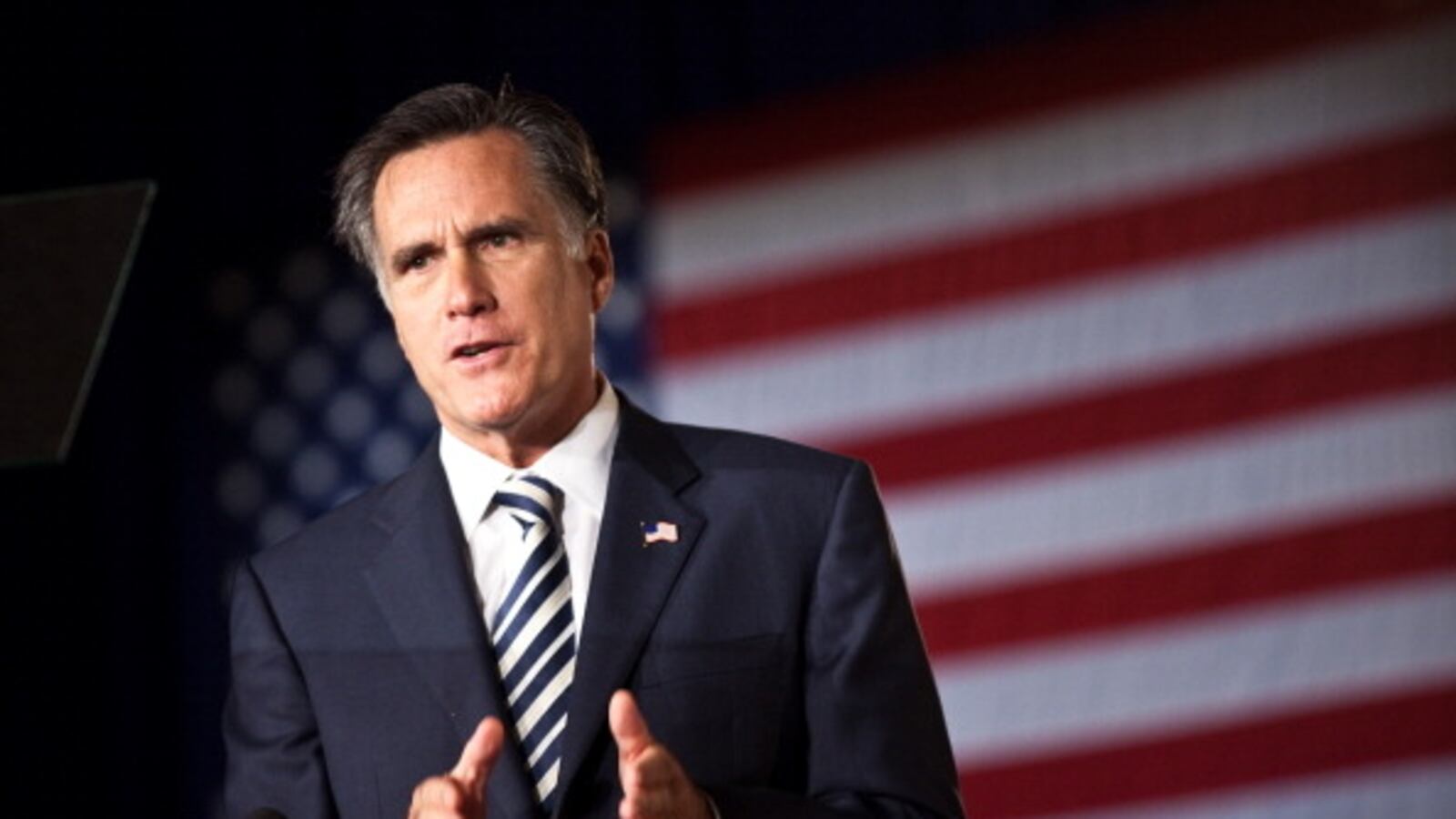
But leave aside the question of the sources of concern about Iran. What of Andrew's claim that a vote for Romney is a vote for an Iran war?It's true that Mitt Romney has pledged to stop an Iranian nuclear weapon. President Obama has said similar things, although less emphatically.If elected, though, here's the briefing Romney will face:He'll be told that Iranian nuclear sites are hardened and distributed. He'll be told that a bombing campaign will have to be intense and sustained. He'll be briefed on the risks of Iranian retaliation, and he will be offered a menu of options to pre-empt such retaliation. The menu will include such measures as attacks on Iranian Revolutionary Guard barracks and facilities. He'll be warned that by striking at the regime's repressive apparatus, he'll be risking a breakdown in regime control. In such a case, steps will have to be taken to secure Iran's existing nuclear materials, steps that could range all the way up to deployment of peacekeeping forces - that last a very large-scale undertaking.When he gets this briefing, Romney will think, "Iraq." He'll think, "There goes all the rest of my agenda." He'll think, "I'll need cross-party support, which means I'll need to make concessions to Democrats on their domestic issues. Goodbye tax cut. Goodbye entitlements reform." He'll think, "Oil prices will rise, and possibly interest rates too, choking off economic recovery."How will he react to those thoughts? Obviously, I have no idea. Romney's biographers Michael Kranish and Scott Helman present him as a chronically risk-averse businessman. On the other hand, he's chosen high-risk campaign strategies, including the selection of Paul Ryan as his running mate, so possibly his risk preferences have shifted as he has neared the presidency.But Romney will have no escape from the realization: an Iran strike bets his presidency and at least postpones and probably voids his domestic agenda. It's not impossible he'll still say yes. It's just deeply implausible.And it seems likely that similar calculations will inform his decision-making on Syria, China, and other international troublespots. Romney wants government to cost less. He wants the economy to revive fast. He'll therefore want international quiet. He may not be allowed it, but I have to imagine he'll struggle very hard to avoid the George W. Bush path.