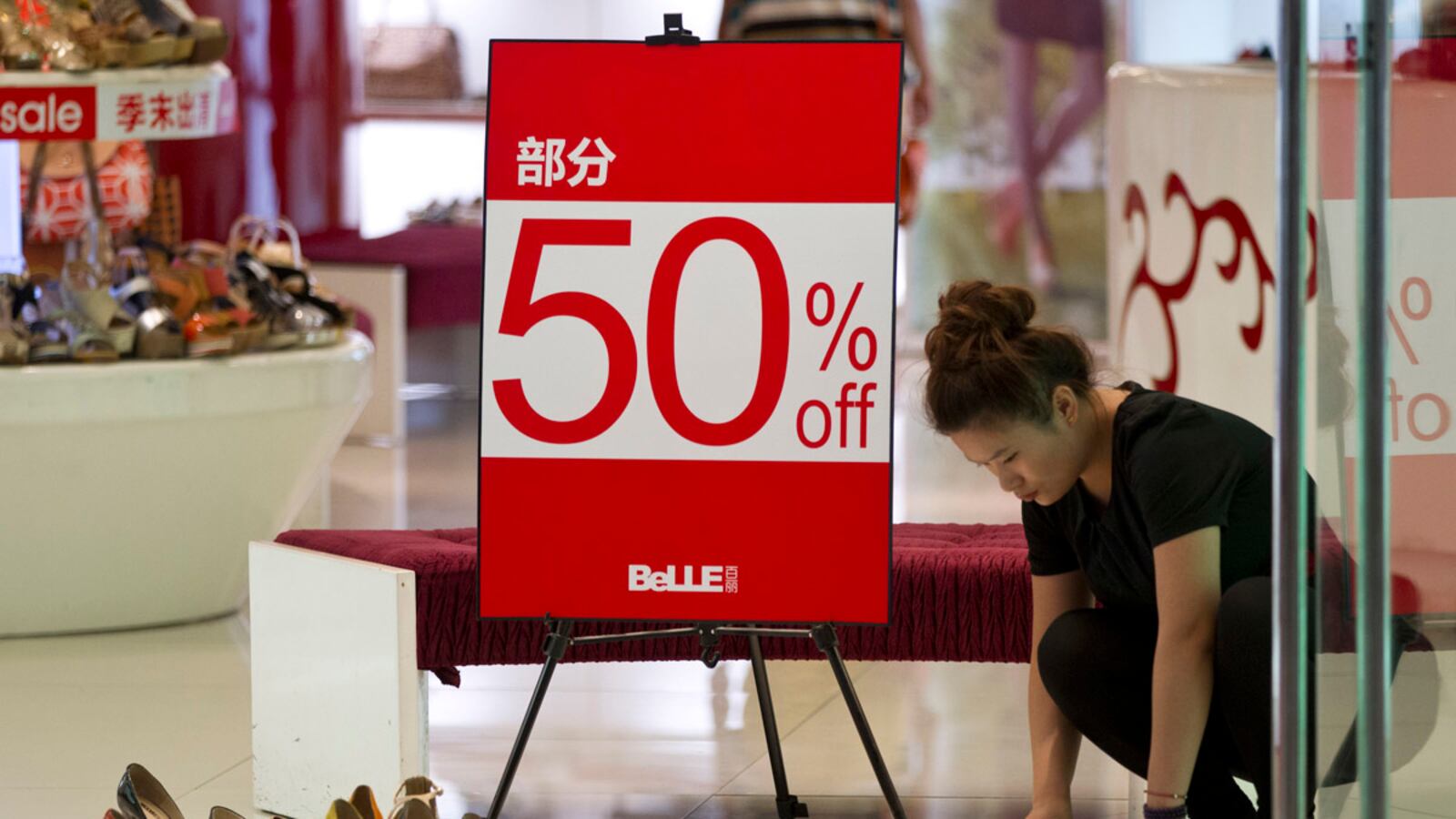
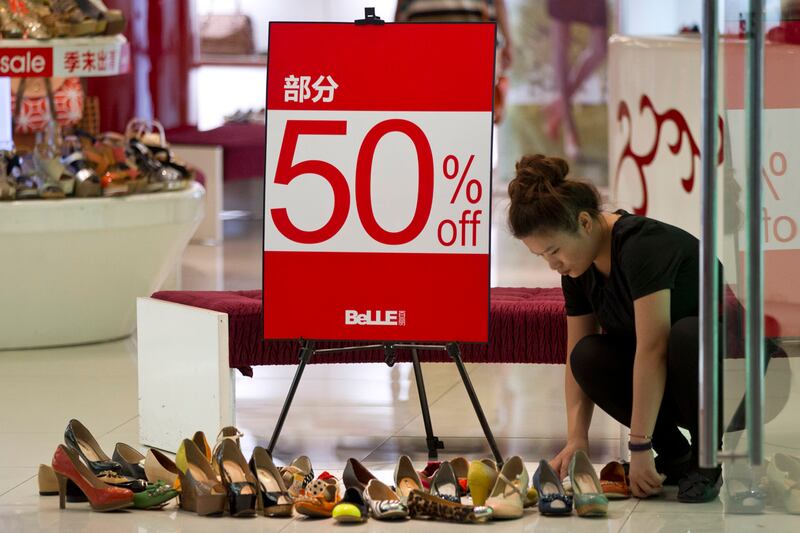
Slumping property prices, unsold inventories, and rising anxieties—all signs of a slowdown in the one of the world’s most critical economic engines: China.
After months of pessimistic data and warnings from economists, China released its latest figures on Saturday and they were not pretty. Chinese manufacturing, long a major driver of the country’s economic strength, sank for the first time in nine months as exports and domestic purchasing slowed in the face of dire woes abroad.
The latest economic news adds to the pressures facing the Chinese government as it plans to transfer power to a new set of leaders this fall. And while the U.S. is abuzz with the pomp and bluster of the presidential campaign, China’s fiscal problems are likely to hamper America’s efforts to boost its own economy.
To understand why this is happening, rewind to the beginning of the financial crisis in 2008. To ward off the looming disaster drowning global markets, the Chinese government implemented a stimulus package worth about $586 billion. The money went largely to local governments, which poured it into infrastructure, transportation, housing, and other projects.
While the huge injection of cash propped up the Chinese economy in the short term, it fueled a property bubble and other side effects that now look increasingly risky for the country’s long-term prospects, say analysts. With growth slowing, it seems unlikely that the leadership will repeat the stimulus script this time around, opting instead for systemic corrections that mitigate unintended consequences.
Whether China can avoid a hard landing remains an open question. Currently, the economy is mired in a host of ills not so easily cured. Take the city of Ordos, a vast metropolis in the northern province of Inner Mongolia filled with new apartment blocks, roads, and malls. The one thing absent? People. Called China’s ghost town, Ordos symbolizes the rush to build, build, build that’s common across the country. But falling property values have left the city looking like a post-apocalyptic fossil.
After years of selling land to property developers—often against the will of residents—local governments are finding their coffers running low and buildings standing empty. The central government, desperate to encourage a sustainable economic recovery, needs to revive the housing market. But that’s difficult to accomplish without sparking another housing boom, say analysts.
“They’re trying very hard to get that Goldilocks temperature, but it’s always too hot or too cold,” said Alistair Thornton, an economist with IHS Global Insight in Beijing.
Beyond housing, China’s state banking sector is being limited by capital outflows and debts, while the ailing euro zone has added to China’s export worries. For China’s manufacturing sector, which is so exposed to the global export economy, this is a major challenge its leaders are racing to address.
In late August, Premier Wen Jiabao toured China’s manufacturing hub of Guangdong province, where he urged the country to spur targeted export growth at a time when overseas orders slowed at the sharpest rate since March 2009. Wen’s calls came as China has lowered its GDP growth target to 7.5 percent, following the faltering U.S. economic recovery and growing debt problems in the euro zone.
“China will never again have double-digit growth,” said Thornton, the economist. “It goes without saying that a slowdown in the world’s second-largest economy is going to have ripple effects beyond its borders.”