
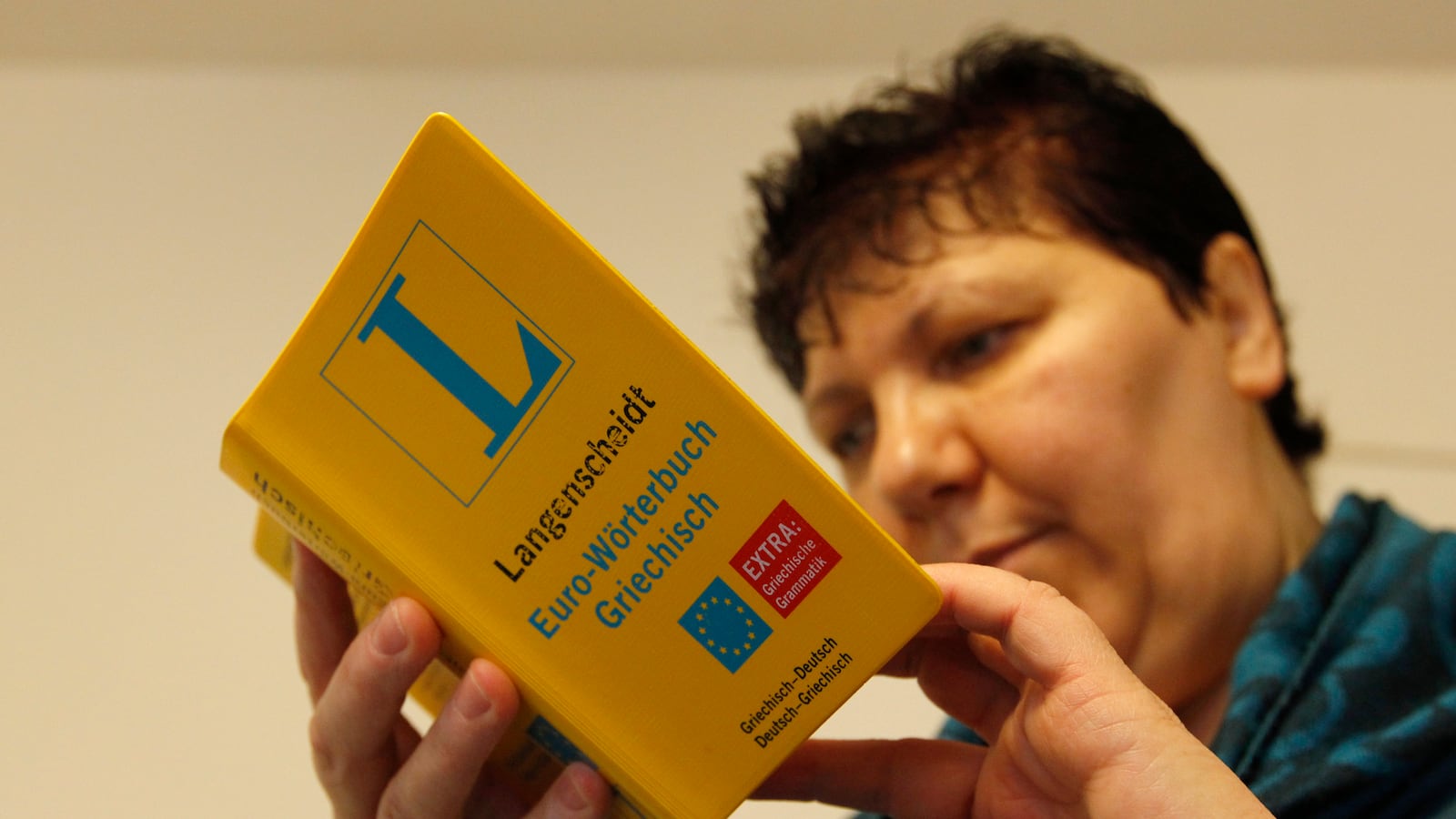
There is an old joke in Europe that goes like this: in heaven the lovers are Italian, the cooks are French, the mechanics are German, and the place is run by the Swiss. But now, thanks to the economics crisis sweeping the euro zone, it seems almost everyone wants to be German—or at least work in Deutschland.
Since the sovereign debt crisis began in late 2009, there has been a steady flow of skilled workers heading to Germany from Italy, Spain, Greece and Portugal. But over the past year, the workers have begun sprinting at a much faster pace. According to a recent survey by Bundesagentur für Arbeit, a German research firm, the number of Italians and Greeks registered to work in Germany has risen by 22 percent in less than a year. There are now 232,800 Italians and 117,700 Greek registered workers in the automotive, agricultural, fashion, arts and education fields in Germany. There are growing numbers of lawyers and doctors, too. And, once in Germany, these workers are paying taxes and contributing to the country’s economic success. “This is not just a blip in emigration,” according to the Bundesagentur fur Arbeit report. “This is a trend that is growing that will have a major impact on the future of German demographics.”
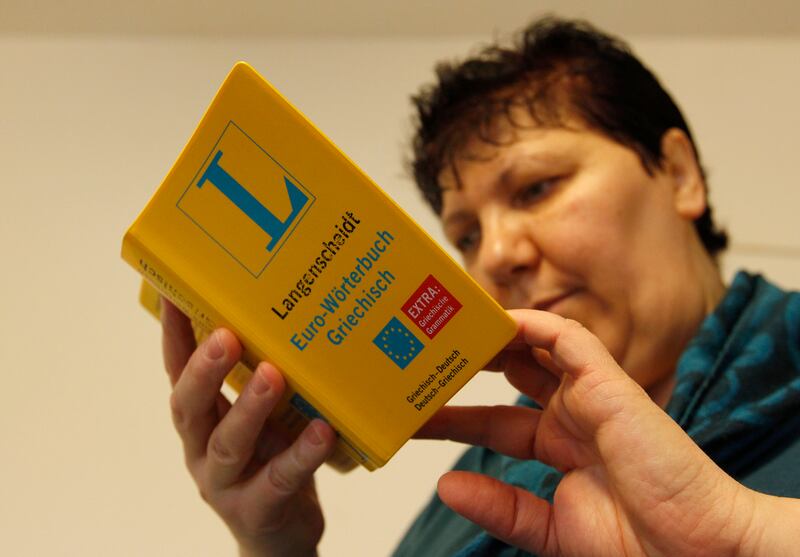
To bolster their chances of getting a job in Germany, a growing number of workers are learning to speak the language before they head to the border. Over the past year, the Goethe Institut, a German cultural non-profit, has seen a 35 percent increase in German language classes in Spain, a 20 percent increase in Portugal and a 14 percent increase in Italy. Language schools in Naples, located in Italy’s impoverished south, have seen the greatest increase in German language students over the same time period; enrollment climbed by 34 percent in September 2012 compared to the year prior. Milan and Turin have also seen a 25 percent increases in adult German language students. One glaring exception: Romans, who have shown little or no interest in learning German, with barely one percent increase in the last year. “It’s the young people who want our courses,” said Klaus-Dieter Lehmann, the president of the Goethe Institut. “But it’s not to read Schiller in [his] original language, but to increase their chances of finding work.”
To help Italians make their move, several relocation services across the country are offering special “move to Germany” deals, often allowing people to share the cost of renting vans. Recruitment agencies in Germany are actively seeking out southern European workers, but they warn that not all will find the perfect job. “It’s easy to find jobs working at Italian ice cream shops and pizzerias, but you have to be skilled to find something better,” according to the website Travel to Germany. “Especially in times of crisis, many seek alternative employment abroad. Germany seems an ideal country: average salaries are higher and the average cost of living lower than in Italy. But beware, Germany is not a wonderland where everyone, German or foreigner, gets the job of his dreams without working for it.”
Despite the greater abundance of jobs in Germany, for some at least, the country might not feel like home. Not only has Germany begun to face its own economic slide, but as the rest of the euro zone drags it down, Germany has angered its neighbors by making them stick to tough austerity plans in exchange for loans. A recent survey by the Financial Times showed that less than a quarter of Germans even want countries like Greece to stay in the euro zone, citing cultural differences and what amounts to tired stereotypes. Meanwhile, over the summer, German chancellor Angela Merkel was an unwilling cover girl in a variety of publications across southern Europe, which depicted her in unflattering light and not-so-subtly blamed her for the economic pinch. Former Italian Prime Minister Silvio Berlusconi, who once privately referred to Merkel as an “unf@$%able lard ass,” went so far as to run the headline “Fourth Reich” over a photo of Merkel in one of his newspapers.
Then again, with unemployment in places like Greece and Spain at sky high rates, for many across southern Europe, what the Germans think of them is perhaps the least of their concerns.