Content Section

Mayor Bloomberg: No Woman Should Die Giving Birth

Practically every hour, a woman dies during pregnancy or childbirth in Tanzania. New York City Mayor Michael Bloomberg describes a new $8 million investment that will change these women’s lives—and serve as a blueprint for other developing nations.

The end of summer marks the end of “baby season” in the United States, the months when most American babies are born. While the season is a time of celebration for millions here at home, it is a time of great danger for women in the developing world, where maternal mortality rates are staggeringly high. The World Health Organization conservatively estimated that in 2010, 287,000 women died during pregnancy and childbirth around the world. What makes this figure more unfortunate is that most of these deaths are preventable. All that’s needed is commitment—and the right approach. At Bloomberg Philanthropies, we have both.

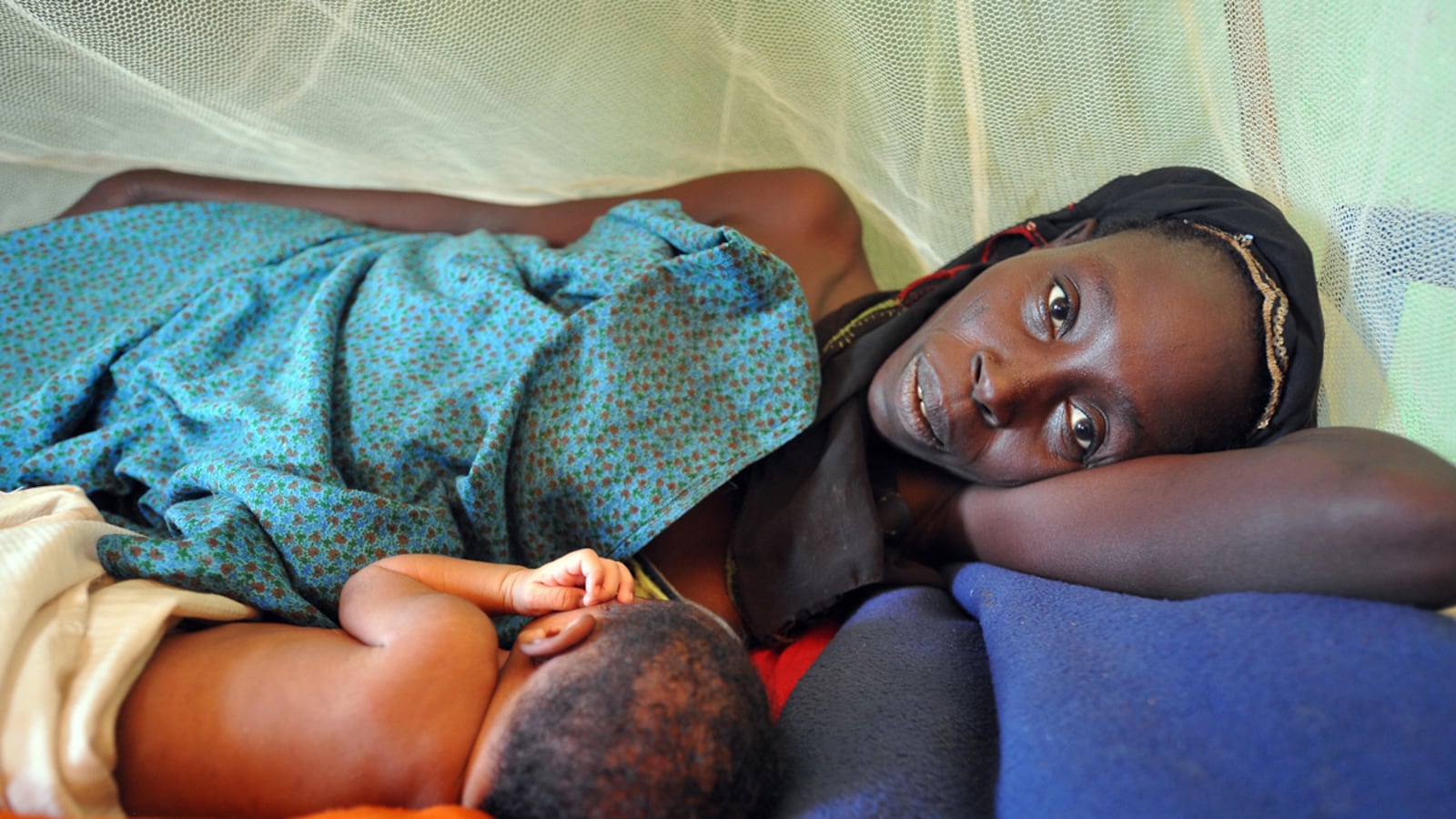
Sudanese Refugee with Infant

A mother and child in April 2011 at a clinic in Dar es Salaam, Tanzania. (Philippe Huguen, AFP / Getty Images)

We start with a simple premise: that no one should have to die giving birth. Modern medicine has removed the vast majority of risks associated with childbirth and relegated them to medical history books. Like smallpox, a major disease eliminated in my lifetime, maternal mortality can be a thing of the past. But this goal is only achievable if we can find ways to make the kind of maternal care we take for granted in developed countries available to mothers everywhere. The fact is, too many women live too far from a medical professional with the equipment and training to save her life.

This week, we took a major step toward meeting this need by announcing a joint $8 million reinvestment in a maternal health program in Tanzania with the H&B Agerup Foundation, an innovative organization committed to improving maternal and child health. Combined with a prior investment we made, the total commitment is now $15.5 million. We expect these funds will impact tens of thousands of women and children in the next three years alone. Helen Agerup and I were joined in this announcement by United Nations Secretary-General Ban Ki-moon and Tanzanian President H.E. Jakaya Mrisho Kikwete, who has been a key partner in the initiative.

The project, which began in 2006, has the potential to revolutionize the way women give birth in Tanzania, sub-Saharan Africa, and throughout the developing world by addressing a key cause of maternal death: a lack of timely access to quality emergency obstetric care. The program does this by pursuing two tracks, each of which bring such care closer to expectant mothers in some of the most isolated parts of the country.

First, we have upgraded and equipped existing village-level health centers so they can conduct comprehensive emergency obstetric care. We have constructed operating rooms in nine remote health centers, shortening the distance women must travel for care, including safe Caesarean sections. Second, the program has so far trained more than 100 nonphysicians in the most remote areas of Tanzania to perform lifesaving obstetric procedures. These assistant medical officers and nurse midwives are located in rural areas where doctors are rare and obstetricians are almost nonexistent.

The program’s initial results have been excellent. Since its launch six years ago, the number of women who safely deliver a child in Bloomberg-upgraded health centers has more than doubled, from 3,500 per year to 9,000 per year. We’ve seen a significant increase in the number of lifesaving C-sections, and the number of maternal deaths from bleeding and other complications in our project sites has been significantly reduced. In one district alone, maternal deaths declined by 32 percent in just two years.

The fact is, too many women live too far from a medical professional with the equipment and training to save her life.

Tanzania was chosen as the test site for our strategy for a number of reasons. First, there is great need. Almost 8,500 Tanzanian women die from complications during pregnancy and childbirth each year—that’s almost one death every hour. And for every death, another 20 women suffer injury or disability. Second, Tanzania has existing medical infrastructure that can be upgraded to serve as birthing centers. Finally, and perhaps most important, we chose Tanzania because its government is supportive of policies that allow trained nonphysician clinicians to perform these lifesaving procedures—an important step toward producing a meaningful reduction in maternal death. This support is critical, and no organization can hope to have a lasting impact by acting alone.

The program’s success led us to this week’s announced three-year reinvestment. During those three years, we conservatively project that more than 50,000 women and children will be positively impacted. We also believe the project will become a replicable model in Tanzania—and potentially around the world.

Bloomberg Philanthropies’ efforts to improve mothers’ health are part of a larger global effort to meet the United Nations’ Millennium Development Goal of a 75 percent reduction in maternal mortality ratios by 2015. While we are well behind that goal, our work in Tanzania shows that progress is possible—with the right strategy and the commitment of the right partners.

You Might Also Like

2013 Women in the World Speakers

2013 Women in the World Speakers

Inspiring women from around the globe will convene in April for the 2013 Women in the World Summit. See who’s coming!

International Women's Day

Through Her Lens

Through Her Lens

From invisible Iranians to dealing with an overweight body, see works from female photographers to watch.

FINANCIAL INCLUSION

Turning Poor Kids Into Savers

Women in the World

How to End Violence Against Women

Secret Weapon

The Woman Behind ‘Girls’

Women’s Advocate

Climate Change’s Gender Gap

Women in the World: It’s On!

Women in the World: It’s On!

Newsweek and The Daily Beast are excited to announce the 2013 Women in the World Summit on April 4 and 5. Get your tickets today.

Why I Choose to Be Child-Free

Why I Choose to Be Child-Free

DINKs, DILDOs, and other readers respond to Joel Kotkin and Harry Siegel’s Newsweek story about America's declining birthrate and share their reasons for remaining child-free.

Beyond Betty Friedan

Beyond Betty Friedan

Gail Sheehy looks at the new, strategic feminism, as PBS prepares to air the documentary ‘Makers: Women Who Make America’ tonight.

‘We Were Really Naïve’

‘We Were Really Naïve’

The mother of a domestic abuse victim speaks out

The Next Women’s Ambassador

The Next Women’s Ambassador

As Melanne Verveer departs, who could be Obama’s new champion for women and girls? By Katie Baker.

Robin Roberts to Be Honored at DVF Awards

Diane von Furstenberg joins GMA's Robin Roberts to talk about the annual DVF Awards and reveals the courageous anchor will be honored at this year's event on April 5th.

  1. Welcome Back, Robin! Play

    Welcome Back, Robin!

  2. Mobama: Bangs Are 'My Midlife Crisis' Play

    Mobama: Bangs Are 'My Midlife Crisis'

  3. R.I.P. Mindy McCready Play

    R.I.P. Mindy McCready

The Plus-Size Blogging Craze

The Plus-Size Blogging Craze

“Fatshion” is a popular community on Tumblr, where plus-size bloggers post pictures of themselves as a way of celebrating their size. Judy McGuire reports.

The Power in ‘Girl Rising’

The Power in ‘Girl Rising’

The film, which will be released March 7, advocates for the education of girls around the world. Eliza Shapiro reports.

‘Feminine Mystique’ at 50

‘Feminine Mystique’ at 50

Three feminists from different generations revisit Friedan’s classic. By Jessica Bennett, Letty Cottin Pogrebin, and Alisa Solomon.

Breastfeeding Wins Another Round

Breastfeeding Wins Another Round

A new CDC study is just the latest news to buoy the pro-breastfeeding camp, reports Eliza Shapiro.

The Book China Hates

The Book China Hates

Ping Fu talks to Katie Baker about the online backlash to her new memoir, ‘Bend, Not Break.’

The World After Hillary

The World After Hillary

She changed the game irrevocably, and now she’s about to transform it again—by walking away. Plus, read the full transcript of her farewell speech.

Malala Speaks!

Malala Speaks!

Tina Brown and Angelina Jolie announce gathering strength for an education fund in her honor.

women-in-the-world-foundation

Calling Out Victoria’s Secret

Calling Out Victoria’s Secret

How two women’s online plea is pushing the lingerie giant to the ‘survivor bra’ market. By Nina Strochlic.

Taking Stock

Roe v. Wade Turns 40

Interactive: The Geography of Abortion Access

Interactive: The Geography of Abortion Access

See locations of the country’s 724 clinics and distance to the closest clinic in different areas. By Michael Keller and Allison Yarrow.

STARTING OVER

Ground Zero of the Abortion War

Word Play

Call It By Its Name: Abortion

Roe v. Wade

Readers Share Their Abortion Stories

A Day in the Life

Inside an Oklahoma Abortion Clinic

Why Investing in Women Works

Why Investing in Women Works

When companies support women, write Melanne Verveer and Kim Azzarelli, their businesses and communities win.

Way to Go, Panetta!

Women on the Frontlines

The Female Fighter I Knew

The Female Fighter I Knew

Veteran Anthony Woods recalls a brave lieutenant who lost her life in Afghanistan.

Military Progress

Fully Integrated, Finally

WOMEN IN COMBAT

Bravery and Beauty

The Sperm Donor Trap

The Sperm Donor Trap

After gifting his DNA via Craigslist, a Kansas man may be on the hook for $6,000 in child support. Fair?

witw-1200-800-tease

150 Women Who Shake the World

They're starting revolutions, opening schools, and fostering a brave new generation. From Detroit to Kabul, these women are making their voices heard.