
By Rob Crilly
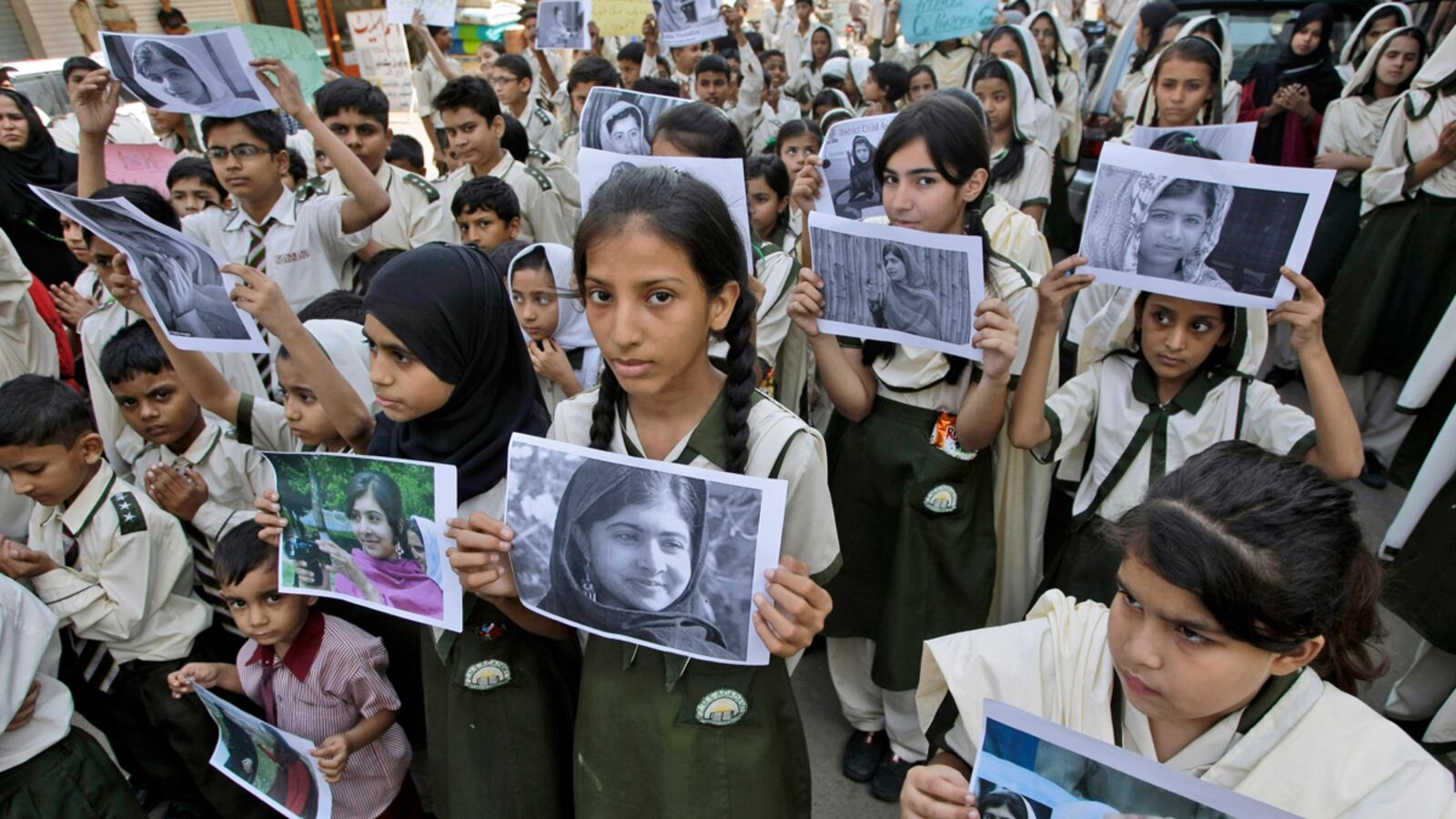
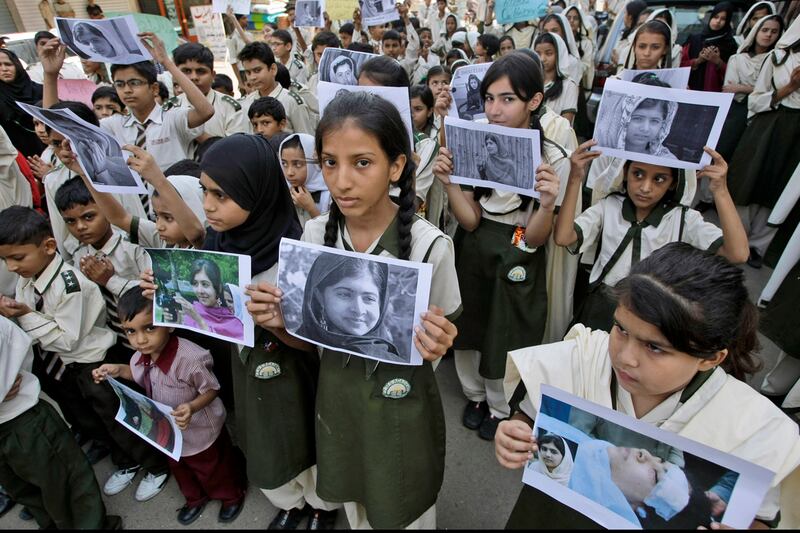
A second teenage girl has been threatened with assassination in Pakistan following the Taliban’s failed attempt to murder Malala Yousafzai, an outspoken critic of Islamic extremism, earlier this month.
Hina Khan has been subjected to a series of chilling warnings, and her family has appealed to the government for protection. Like Malala, Hina Khan is from Swat and has been campaigning for girls schools since she was 13.
“I can’t go to school, I can’t go out of the house, I can’t even go to the market since these threats,” she told The Daily Telegraph in her family’s dark sitting room, surrounded by campaign posters and with her mother and father keeping a careful watch. “I just pray we will all be OK.”
The story of the two young activists illustrates the huge challenges facing Pakistan as it tries to get millions of young girls into schools and the dangers they face.
Days before Malala was shot in the head by a gunman as she travelled home from school, a crimson cross was spray-painted on the gate to their smart home on the outskirts of Islamabad.
The family washed it off only for it to be repainted a week later.
A terrifying phone call to the house removed any doubt about the message it carried.
“You can remove the sign, but you are still a target, is what they told us,” said Rayatullah Khan, her father, who also runs a pressure group agitating for peace in Pakistan.
The voice on the other end did not identify himself but said, “We are going to kill you,” according to Mr Khan. “We have been watching your daughter ever since 2008.”
The story mirrors that of Malala, 15, who is now making a steady recovery at the Queen Elizabeth Hospital in Birmingham.
The family lived in Swat where they first came to the militants’ attention in 2006. Hina’s mother organized an exhibition of traditional local handicrafts. The lace and beadwork were sold to raise money as part of a program to generate work for women and support a training center—a radical cause in a conservative area where wives and daughters are expected to stay in the home.
Within days posters plastered their home district of Shangla denouncing the family for encouraging women to work.
The threats intensified when the Pakistan Taliban swept through the region in 2007. The family fled for the capital Islamabad a year later when the local chief of police warned they would be dead within 24 hours if they stayed.
There Hina sprang to prominence with a press conference condemning the “Talibanization” of Pakistan that saw hundreds of schools demolished and millions of girls prevented from getting a proper education.
Now 17, she says nothing will stop her campaign and that she has been praying for Malala’s recovery.
“Girls’ education is too important to give up on,” she said on Tuesday in a quiet voice, her eyes turned down shyly. “We always knew the risks and just hope the attack on Malala and the threats against me will turn more people against the extremists and force the government to act.”
A report published by UNESCO last week confirmed the scale of the task facing Pakistan. More than 3 million girls do not attend school—the second-highest figure in the world.
Human Rights Watch has recorded 96 reports on attacks against school so far this year.
And Gordon Brown is due to visit Pakistan next month to discuss the issue with the country’s president.
Hina’s mother, Farhat, said she was proud of her daughter’s stand and insisted that their campaign for women’s rights and girls’ education would not be silenced by threats.
She said: “Of course there will be more problems now that we have gone public and talked about their threats but if we don’t fight then who will?”