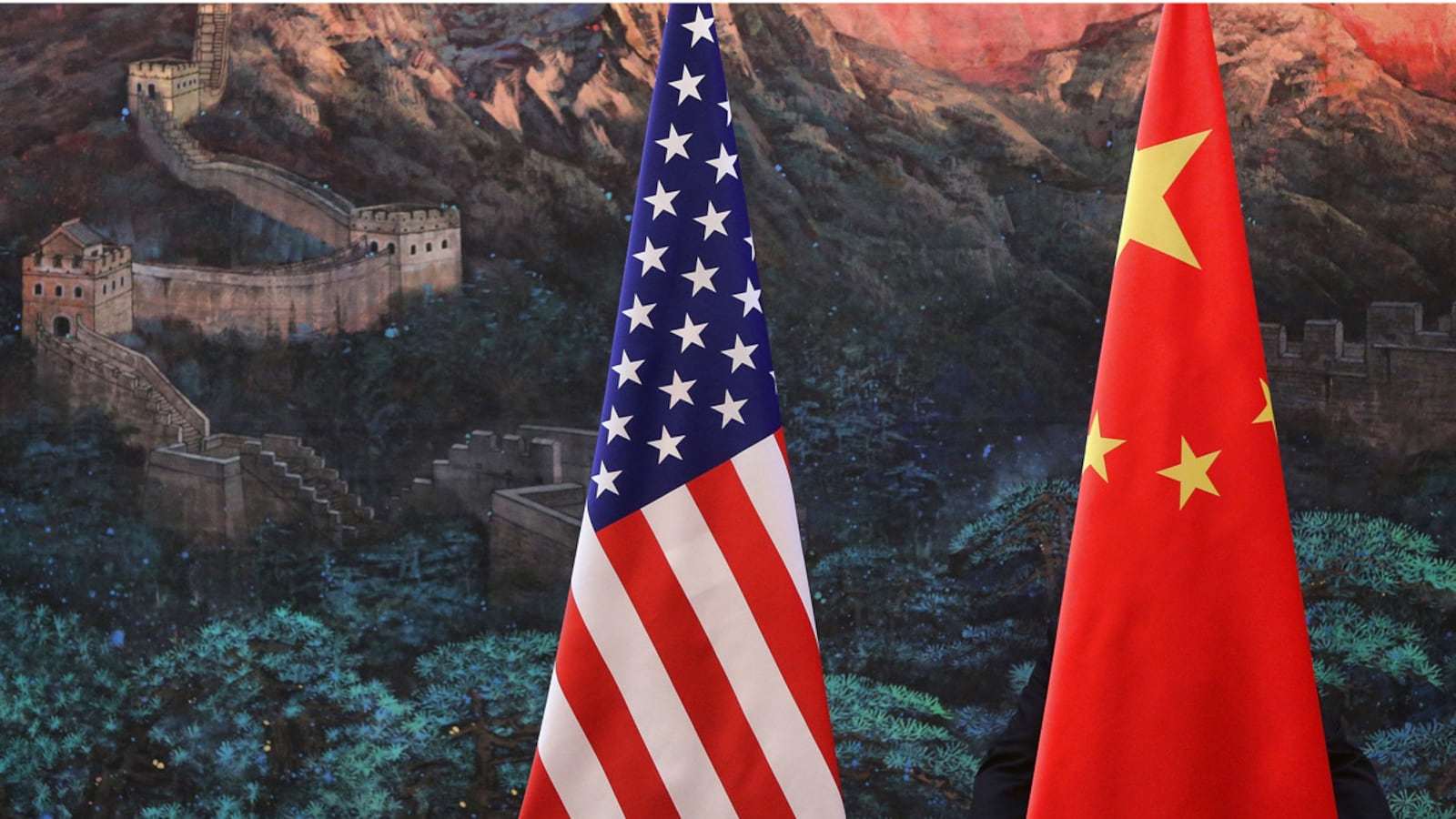
In the third and final U.S. presidential debate on Monday, Mitt Romney once again vowed to declare China a currency manipulator on his first day in office. Most Chinese observers think this position is as extreme as it is unlikely, but ever since Romney first made that pledge a year ago, the reaction by policymakers in China has been a mix of frustration and exasperation. “The candidates find fault with China simply to win more votes,” wrote veteran Chinese journalist Ding Gang in the state-run People’s Daily Online. “There must be something wrong with the…[American] political system.”
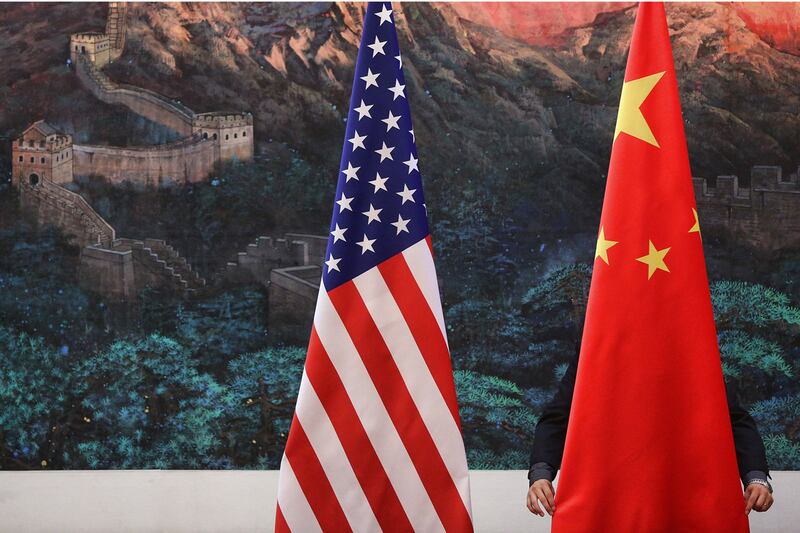
Ding’s article, which ran with the headline “China-bashing: Shame on American Politics,” is an extreme example of the angst—even anger—that many Chinese feel when they listen to American presidential candidates talk tough on China. Most people in China, of course, don’t hate Americans. But Chinese policymakers do hate American elections—especially the effect they have on China’s image in the United States. This year has been especially bad, analysts say, as Beijing has been blamed for everything from the sluggish U.S. economy to America’s high unemployment rate. Coming at a time of declining economic growth in China and fierce competition over trade between the two countries has created considerable tension.
That tension is reflected in the polls. An October poll from the Pew Research Center found that 49 percent of American voters want the U.S. to get tough on China, an increase of nine percent from March of 2011. And only 42 percent of voters want the U.S. to build a strong relationship with China, compared to 53 percent in March of last year. Most of the American angst about China is economic as opposed to military, according to a September Pew poll, with the biggest concerns being the amount of American debt held by China and the loss of U.S. jobs.
Poll results reflect rising friction in China as well. A separate Pew Survey, for instance, found growing wariness and negative perceptions of America compared to two years ago. The percentage of Chinese respondents who characterize their country’s relationship with the U.S. as one of cooperation has dropped from 68 percent in 2010 to 39 percent today. More than a quarter of those surveyed said the relationship was hostile, compared to eight percent two years ago. Confidence in Ratings President Barack Obama also declined significantly, down to 38 percent compared to 52 percent in 2010.
One reason why Chinese leaders in particular dislike changes in Washington: they feel the need “to teach the new American president about the realities of the relationship,” said one Chinese source who requested anonymity because he wasn’t cleared to talk with media. These realities, in the Chinese view, include the need to avoid a trade war that, because of their interdependence, would undermine both economies. The learning curve for U.S. presidents can make for jittery moments. In April of 2001, for instance, not long after George W. Bush took office, a U.S. EP-3 spy plane collided with a Chinese jet fighter in mid-air over the South China Sea. The 24 crew members of the American plane subsequently landed on China’s Hainan Island. After 11 days of intense negotiations over apologetic language, they were released. But the incident turned out to be more protracted and more difficult to resolve than expected.
Ding’s strident take on American-style multi-party democracy is not shared by a majority of Chinese, according to a Pew survey, conducted earlier this year in China. More than 50 percent of respondents said they like American ideas about democracy, while 29 percent said they dislike them. Yet this favorable opinion of democracy is yet another reason why Beijing hates American elections: they underscore how ordinary Chinese citizens have little say in choosing their own leaders. The contrast is especially clear when the U.S. results are startling, like Barack Obama’s groundbreaking victory 2008, an outcome which blindsided Chinese analysts.
This contrast between the U.S. and Chinese electoral system will be on clear display next month. In a quirk of timing, just days after the U.S. presidential election on Nov. 6, China’s top slot will change hands as well. On Nov. 8, China’s ruling communist party will convene its 18th party congress, when heir apparent Xi Jinping is expected to take over as communist party chairman from current party head and President Hu Jintao. This Chinese succession scenario was hashed out during years of back-room political horse-trading, leadership jockeying, and secret votes cast by selected party representatives. The dramatic difference between what’s shaping up to be a hotly contested vote in the U.S., and the meticulously scripted handover ceremony in Beijing, will not be lost on the men and women of the Chinese street.