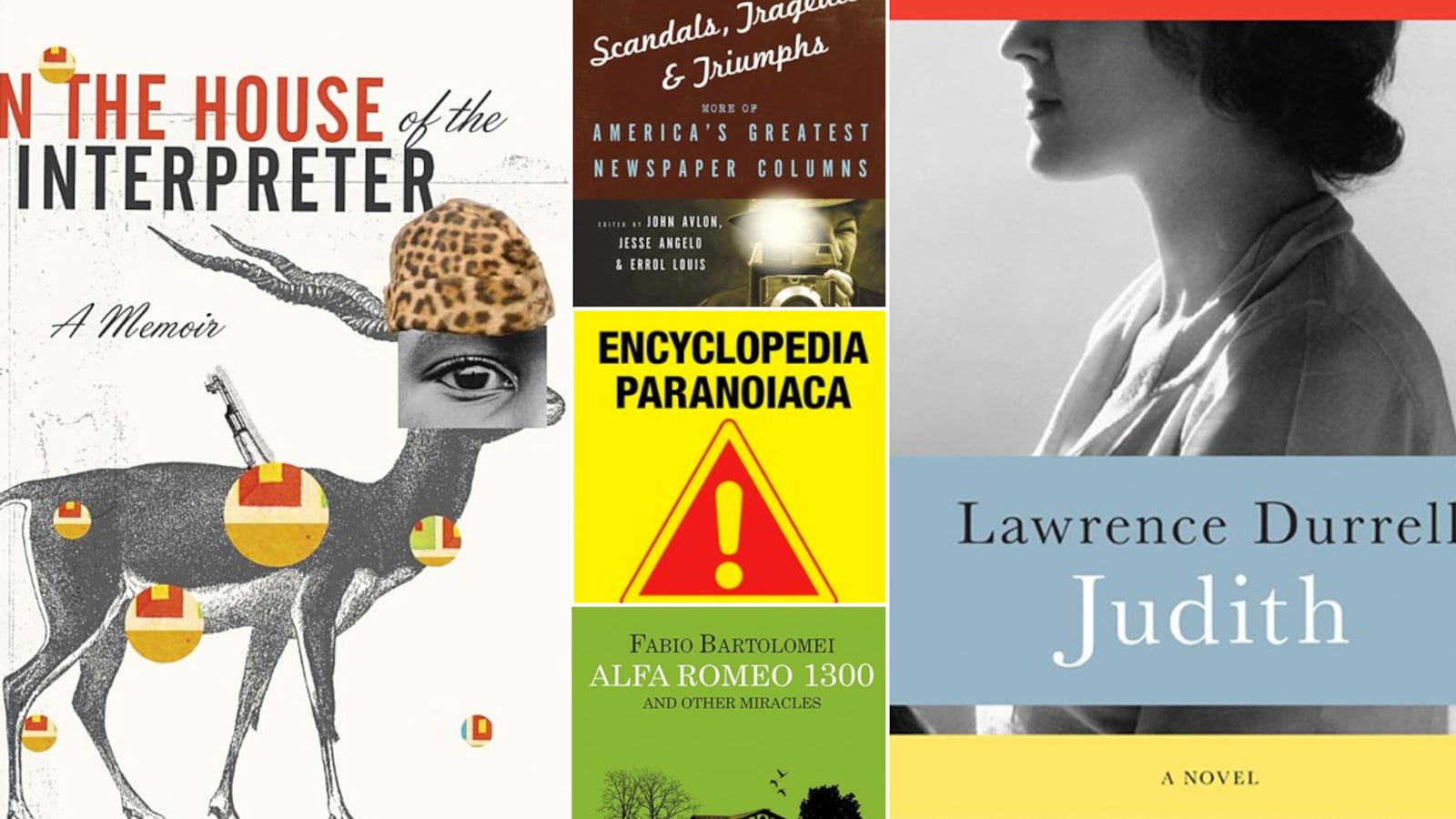
Judith: A Novel By Lawrence Durrell
A posthumously published novel from the famed writer of 'The Alexandria Quartet' on the occasion of his 100th birthday.
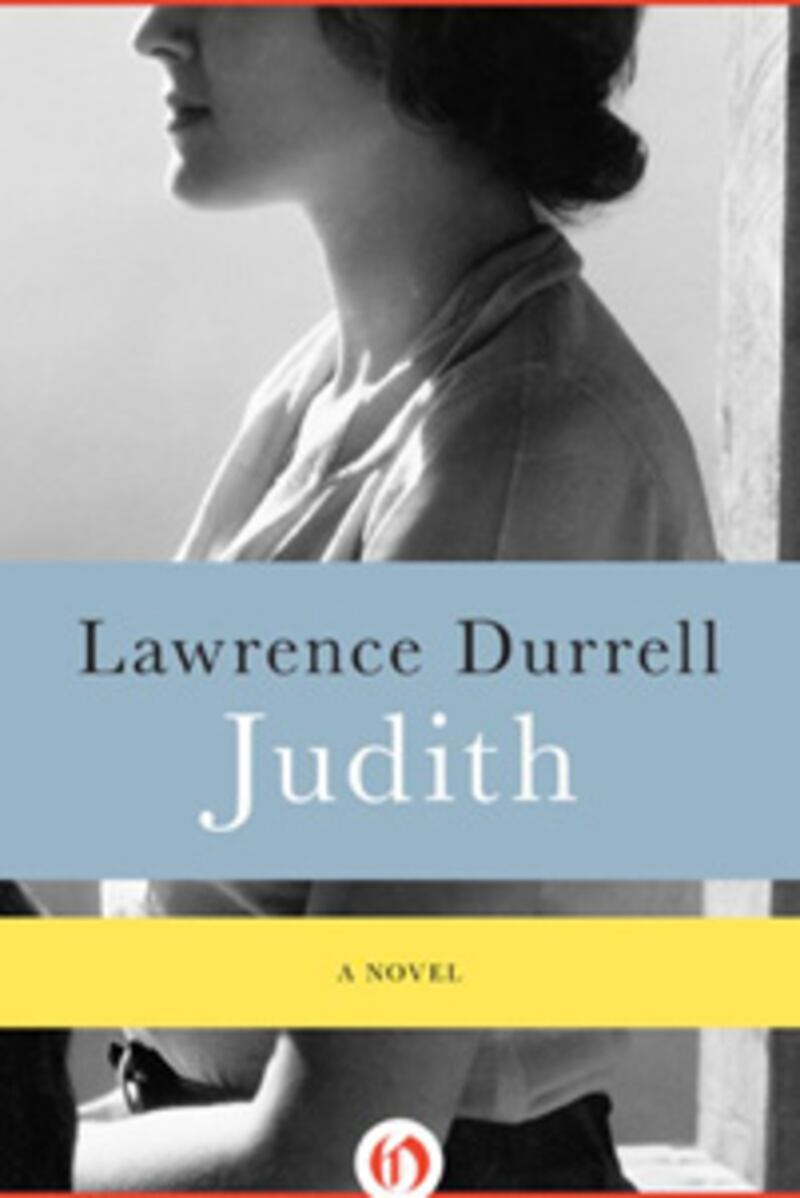
It is 1948, and on a rust-covered smuggling vessel running blockades in the Middle East, a salty veteran captain discovers that the crates he has just picked up from a dark quay contain not rifles and grenades but humans, two dead and two alive. So opens Judith, a posthumously published novel by British expatriate Lawrence Durrell, known mostly for his cycle The Alexandria Quartet, on the occasion of what would have been his 100th birthday. The story began its life as a screenplay for a 1966 film staring Sophia Loren. Although that film has been largely forgotten, the publication of the novel should be a cause for celebration, for it is a near-perfect example of an adventure of thoughts, and the fact that it is only now entering the late master’s canon is almost unbelievable. Durrell lived most of his life outside England, but he writes with a resolute Britishness that resonates not only in his characters but also in the prose itself—a Britishness that is simultaneously world-weary and game for adventure. This is a report from the golden age of big-idea storytelling, when world-shattering conflict trickled down to the broken bodies of individual humans.
Alfa Romeo 1300 and Other Miracles By Fabio Bartolomei
A story, translated from Italian, that doesn’t take itself seriously but addresses serious topics.
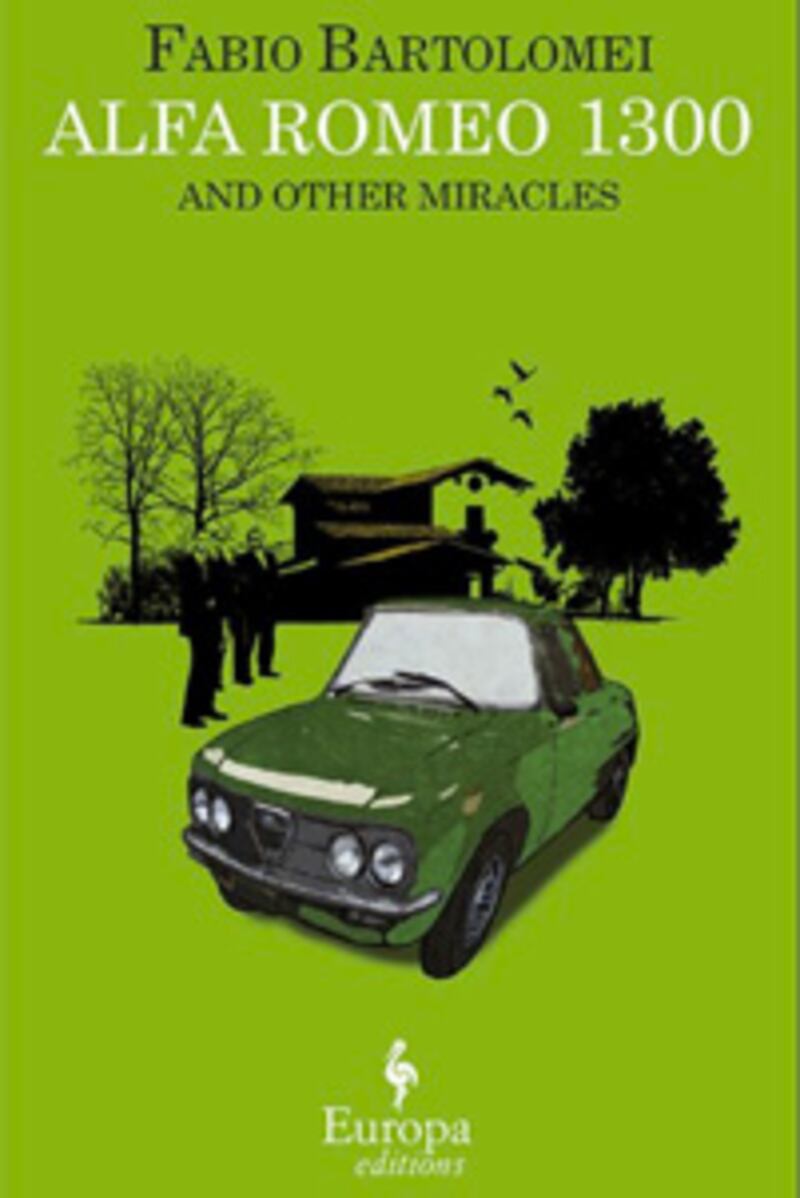
A large part of the value of fiction translated from other languages into English is that it codifies foreign zeitgeists for the cultural record in a way that nonfiction or secondhand observation by Americans never could. In Alfa Romeo 1300 and Other Miracles, a debut comedic novel from Italian Fabio Bartolomei, it turns out that what plagues the soul of the modern Italian mired in a recession is quite similar to what plagues the soul of his American cousin, namely desire for money and respect and disillusionment with the society that has been left for them mixed in with a healthy dash of urban malaise. In the book, three shiftless and unhappy men become unlikely business partners in an attempt to flee their old lives by purchasing a rundown house in the countryside and converting it into an “agritourism” bed-and-breakfast. When the mafia tries to get in on the action, the men quickly realize that they’re in over their heads. The translation is generally adept at preserving the manic energy required to fuel a farce like this, and the end result is a product conspicuously absent from modern American publishing: a story that takes itself unseriously enough to be funny, while simultaneously addressing a topical issue worth discussing seriously.
Encyclopedia Paranoiaca By Henry Beard and Christopher Cerf
A humorous look at all the ways that humans have been doing harm to themselves and how we can perish.
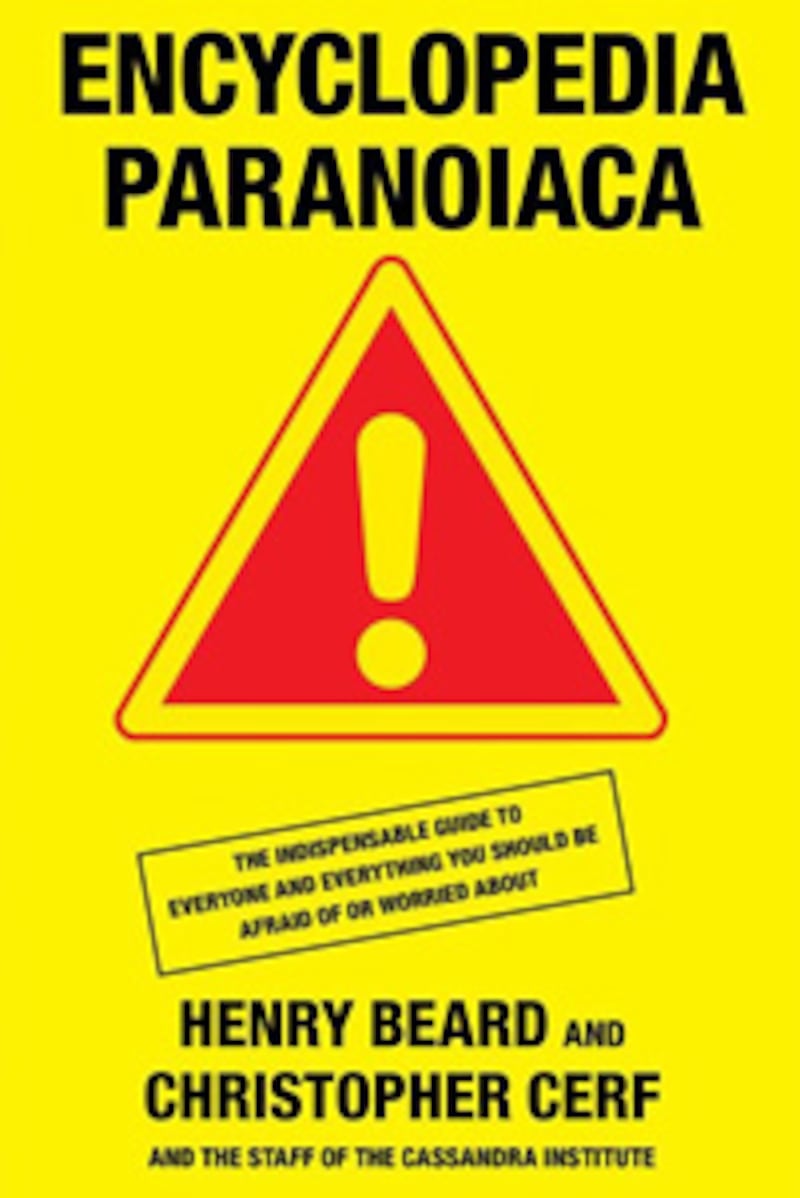
This being 2012, the year the world may or may not end, certain people may find themselves in an eschatological mindset. But if come Dec. 22 the world continues to rotate, fear not, as a new book explains how we’re all very likely to die very soon regardless, from any one of a wide range of ailment, injury, and disaster. Encyclopedia Paranoiaca, written by Henry Beard and Christopher Cerf, both involved in the founding of National Lampoon, is a humorous look at all of the ways, obvious and not, that humans have of doing harm to themselves. For instance, did you know that ceramic toilets contain measurable amounts of radioactive isotopes? (The authors have imagined four ways that your toilets could kill you.) Or that food thermometers can end up contaminating your rib roast? Or that sitting with your legs crossed can lead to deep venous thrombosis? The writing is witty and verbose, almost Monty Python–ish, but the science seems good enough that hypochondriacs should be shielded from this book at all costs, unless the authors intend to add “exposure to this book” as a cause of death in the second edition.
In the House of the Interpreter By Ngũgĩ wa Thiong'o
The prolific Kenyan writer’s second volume of his memoirs covers his high-school days.
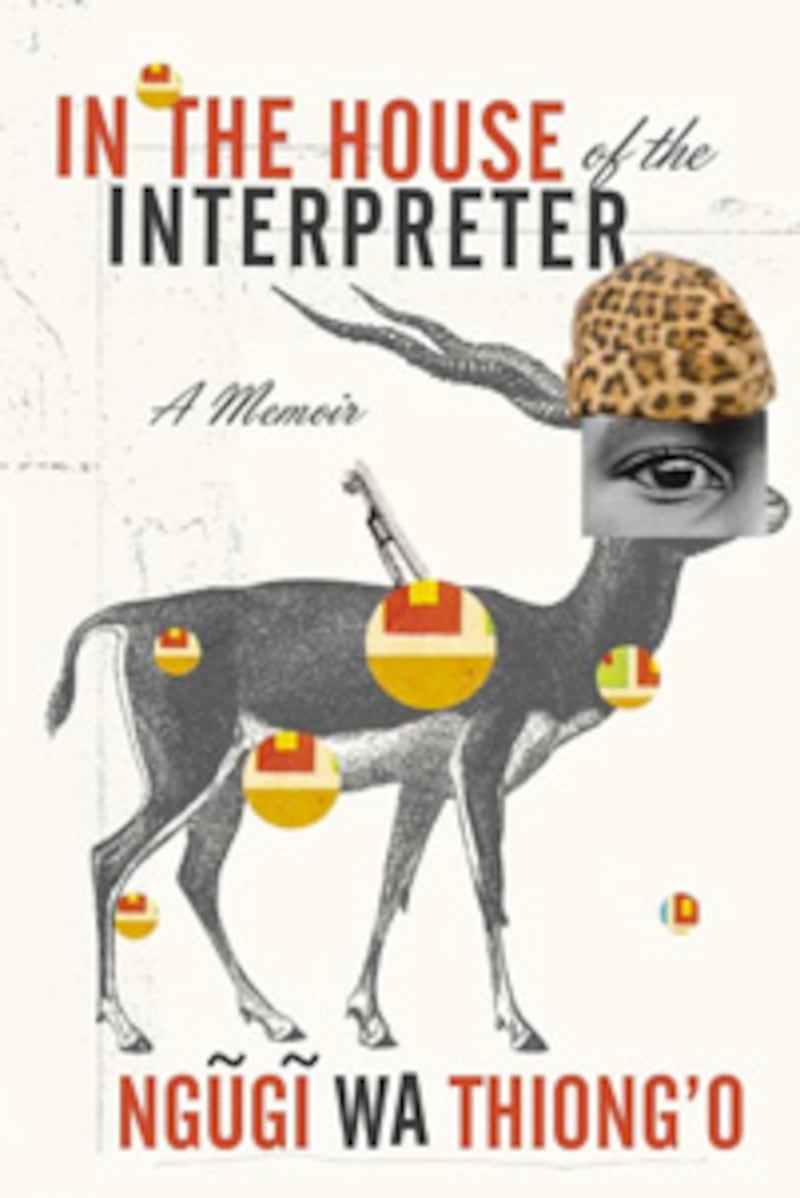
Under the examination of a skilled and sensitive writer, four years of high school generally presents enough drama and inner turmoil to make for an interesting memoir. Now imagine that the writer is from Kenya instead of America, and that the school is not Ridgemont High but one run by colonialists and set up to resemble Tuskegee. Meanwhile, the Mau Mau anticolonialist faction, composed of the writer’s neighbors and siblings, are fighting to expel the British, and at the same time he and his schoolmates sing “God Save the Queen” while the Union Jack is raised. In the House of the Interpreter is the second volume of memoirs from acclaimed and prolific Kenyan writer Ngũgĩ wa Thiong'o. Ngũgĩ describes his awakening as a cultural and literary critic in this turbulent environment, as he learns to recognize the differences between the way that the white and African characters were portrayed in the Western books to which he was exposed. Luckily there was such a sharp mind present at this time and place to record with such perspicacity the confluence of race, politics, war, and literature.
Deadline Artists Edited by John Avlon, Jesse Angelo, and Errol Louis
Some of the best pieces from the pages of daily journalism center on the drama of ‘short stories that really happened.’
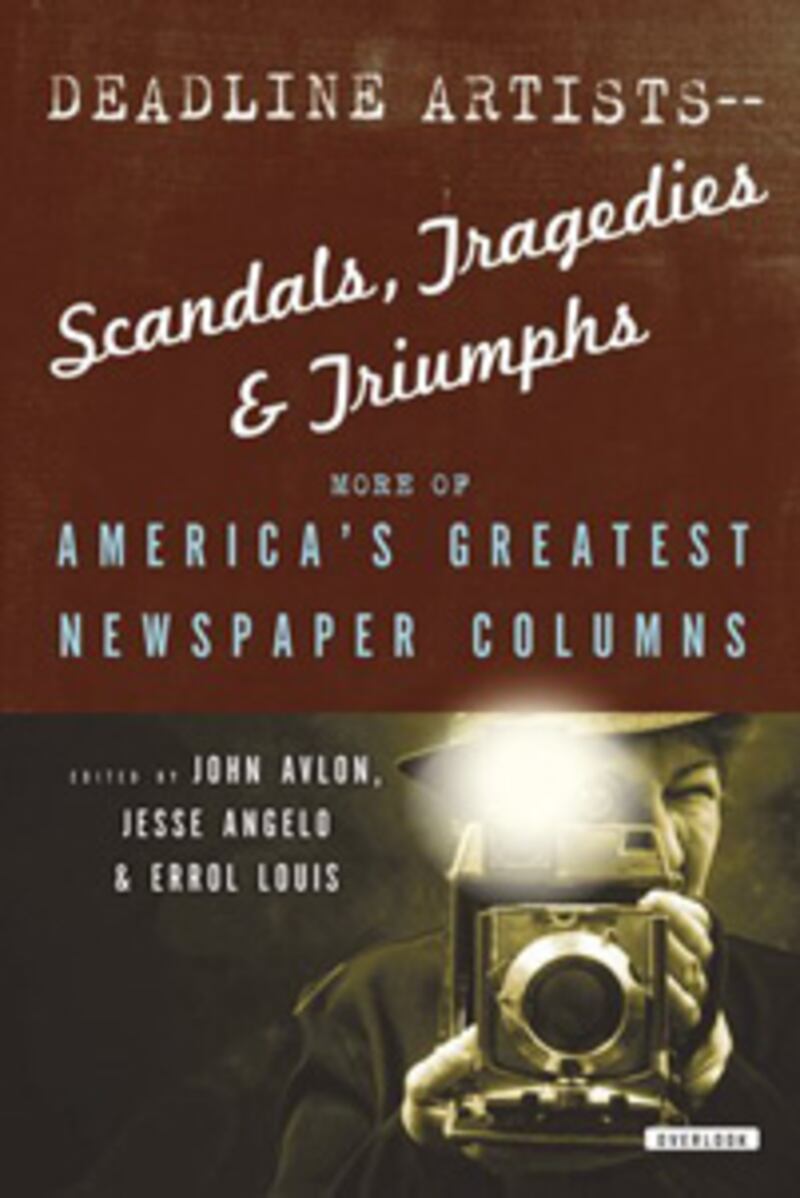
Subtitled Scandals, Tragedies and Triumphs: More of America’s Greatest Newspaper Columns, this time the people who brought you the first volume of opinion pieces found in the pages of daily journalism hone in on drama. Avlon, Angelo, and Louis focus on writing that resembles “short stories that really happened.” Collected here are classics such as John Steinbeck on Dust Bowl farmers, an issue that made him a household name; Jack London’s observations of San Francisco after the great earthquake; Nellie Bly disguising herself as a Cuban immigrant to expose abuse at an insane asylum; Walter Lippmann’s profile of Gandhi; Bob Greene’s profile of Michael Jordan; Damon Runyan’s profile of Al Capone; and Jim Dwyer on window washers on 9/11. And they did it without the Internet, when deadlines meant deadlines and not “turn it in whenever, and we’ll post it online.”
—Jimmy So