

The fight over the potential nomination of Chuck Hagel heated up considerably over the past couple of days. At first opposition focused on Hagel’s supposed anti-Israel inclinations. But it has become increasingly ad hominem, with particular focus on his alleged anti-Semitism. Though there’s no evidence that any of these accusations are either true or representative of Hagel’s personality, and the evidence actually suggests the opposite, it’s taken some time for Hagel’s defenders to go public—and the White House especially has been absent from the fight it picked.That seems to be changing, at both the political and the personal level. Yesterday, a number of former ambassadors signed a statement praising Hagel for his dedication and pushing back against the personal attacks. Also yesterday White House Press Secretary Jay Carney expressed President Obama’s confidence in Hagel’s dedication to his country. It wasn’t a strong defense, but it was something.
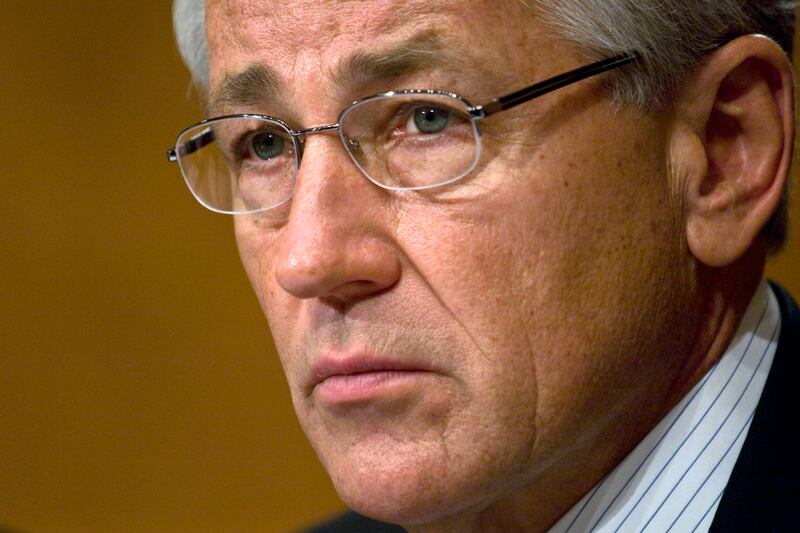
And today a letter to the editor appears in the Omaha World Herald by a rabbi who says he personally knows Chuck Hagel over 25 years of interaction, including addresses by Hagel to the congregation. Rabbi Aryeh Azriel writes that “As a person who grew up in the State of Israel, I found a great love in Chuck’s heart for the Israeli people and their desire to live in peace and security.”These efforts to engage with Hagel’s detractors are commendable, however late they are in coming.
It’s expected that there be a responsible public debate over who gets to occupy one of the more important Departments in the U.S. government. And there is plenty of room for disagreements over Hagel’s ideas about defense, the Middle East, the budget, and so on. It behooves us all to keep the discourse civil and policy-oriented; the issues America is facing in the next year are too great to do otherwise. And it makes us look much smaller than we really are.