
The last few days remind me of the Clinton impeachment fight. In the late 1990s, a radicalized Republican Congress—convinced that only it could prevent America from going the way of an ancient Rome—faced off against a popular, recently reelected Democratic president. Back then, the GOP’s crusade was against baby boom immorality, not just government spending (though it was against that too). Back then, as today, the GOP’s insistence on ideological purity led it afoul of public opinion. And back then, as now, Republican leaders found themselves sandwiched between the militancy of their congressional rank and file and the demands of political reality. That dynamic, which my then–New Republic colleague David Grann dubbed the “Robespierrism of the Right,” crushed Newt Gingrich’s speakership, as it is now crushing John Boehner’s. And it sparked vicious infighting in the Washington GOP.

In other words, Republicans, buck up. Your salvation may soon be at hand.
What I mean is this: the Republican impeachment disaster ultimately helped elect George W. Bush. It did so in two ways. First, although Americans blamed Republicans more for the debacle, it made everyone in Washington look awful. Americans hated the partisan knife-fighting. They hated how small their leaders looked. All of which made them more receptive to an anti-Washington message than they should have been in 2000 given the booming economy. Running against a de facto incumbent in Al Gore, Bush put frustration with Washington at the center of his campaign. He boasted endlessly about how he had worked with Democrats in Texas, and promised to be a “uniter not a divider,” something Gore—who had been present for the impeachment train wreck—could not.
But the impeachment fiasco didn’t only make it possible for Bush to run against Washington. It made it possible for him to run against Republican Washington, and thus develop a brand separate from the national GOP. In 1996, Bill Clinton had tied Republican presidential candidate Bob Dole to Gingrich. But in 2000, Bush made that impossible by aggressively distancing himself from the Republican Congress. Bush’s disagreements with the congressional GOP were sometimes vague, but in keeping with his “compassionate conservative” mantra, he gave the impression that he considered Gingrich and company too punitive and exclusionary. And he got away with this triangulation because the impeachment disaster—and resulting GOP losses in the 1998 midterms—had left the congressional Republican Party so reviled that tweaking it didn’t engender resentment from the Republican voters Bush needed to win.
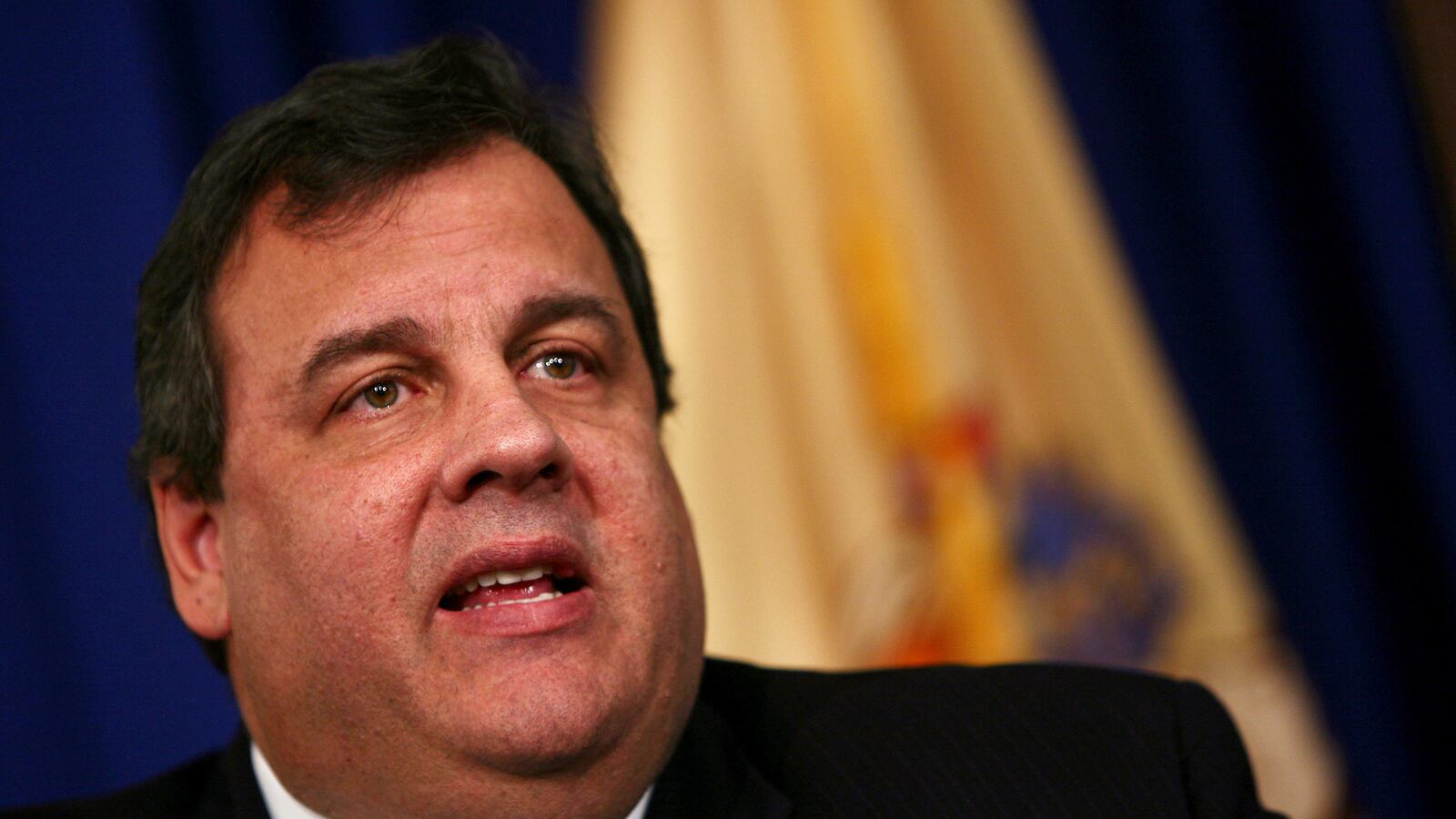
The fiscal cliff deal, and the budgetary mudwrestling to follow, lays the groundwork for another Bush-like Republican presidential campaign. Even if Democrats don’t choose Hillary Clinton, their 2016 nominee will be the de-facto incumbent. The worse Washington looks, the easier it will be for a Republican to campaign, as both Bush and Obama did, as outsiders untainted by beltway dysfunction. Even more importantly, the recent cascade of Republican horribles—Boehner’s inability to control his caucus, the breaking of the anti-tax pledge, the dissing of the Hurricane Sandy victims—has made it easier for Republicans to bash their Washington leadership, even from the center. Listen to Chris Christie’s rhetorical assault on John Boehner over Sandy aid—especially his declaration that in New Jersey, unlike Washington, people work together across party lines—and you can hear the beginnings of a new, Bush-like, anti-Washington Republican centrism. In 2012, Mitt Romney didn’t dare put much distance between himself and the national GOP, especially during the primaries. But Christie has already shown that post–fiscal cliff, with Washington Republicans in disarray and the GOP’s anti-tax orthodoxy cracking, Republicans are more open to leaders who define themselves against their party’s leadership, even if that means tacking somewhat to the center.
I don’t want to exaggerate. Bush’s moderation proved largely cosmetic. And in 2016 the GOP will still likely be too right-wing to nominate anyone who offers a frontal challenge to the party’s anti-government dogma. But over the past week, the foundation has been laid for a GOP presidential candidate to run against the Washington GOP. And for a party that hasn’t had much in recent weeks, that’s reason for hope.