
The Republicans, and some Democrats too, have been advancing the narrative that if only President Obama cultivated more personal relationships with members of Congress, politics would be different. We wouldn’t be on the edge of the precipice, and deals would be cut over a golf game or a glass of Merlot, like the good old days. Obama has outsourced most of his dealings with Congress, so the story line goes, and the nation is paying the price.
Asked at his press conference Monday about the growing criticism that he and his staff are too insular, Obama sounded a bit defensive, saying he had good relationships when he was in the Senate, and that he enjoys a good party, but no amount of backslapping can paper over sharp policy differences. It’s not personal, he said, he has a fine time with members of Congress when they attend the annual picnic with their families. That doesn’t stop them from “blasting me for being a big-spending socialist,” he said.
The Kennedys set the gold standard when it comes to schmoozing. No president since has measured up to the easy camaraderie that Jack Kennedy had with Washington and the Georgetown social set. But did it make a difference in how his agenda was received on Capitol Hill? Kennedy’s presidency was tragically cut short, so there’s no definitive answer, and it took LBJ’s arm-twisting to get his agenda done.
The example most often cited of a president who famously got along with the congressional opposition is Ronald Reagan and Tip O’Neill, two Irishmen who could settle differences over a cigar. Brookings scholar Stephen Hess adds another example—Dwight Eisenhower, who worked successfully with Democratic congressional leaders Lyndon Johnson and Sam Rayburn.
“Deals were made but not because these people became bosom buddies or liked each other,” says Hess, noting that Eisenhower—whom he worked for as a young aide—was “deeply skeptical” of LBJ and Rayburn. “These people could deliver, and that’s what made a difference.” Hess scoffs at the notion that friendships drive Washington dealmaking. “These are business associates,” he says, and you have to go way back to a time when members brought their families to Washington to find real friendships develop. With the advent of the three-day workweek and jet travel that can transport members home in a matter of hours, the Washington social network frayed long before Obama took office.
Every recent president has come in for his share of criticism for not paying enough attention to the tender egos in Congress or to institutional Washington, which former Bill Clinton press secretary Dee Dee Myers told The Daily Beast means Sally Quinn. Former Washington Post reporter and columnist Quinn is the social calendar’s barometer, and she hasn’t been satisfied with the pace of presidential socializing for some time.
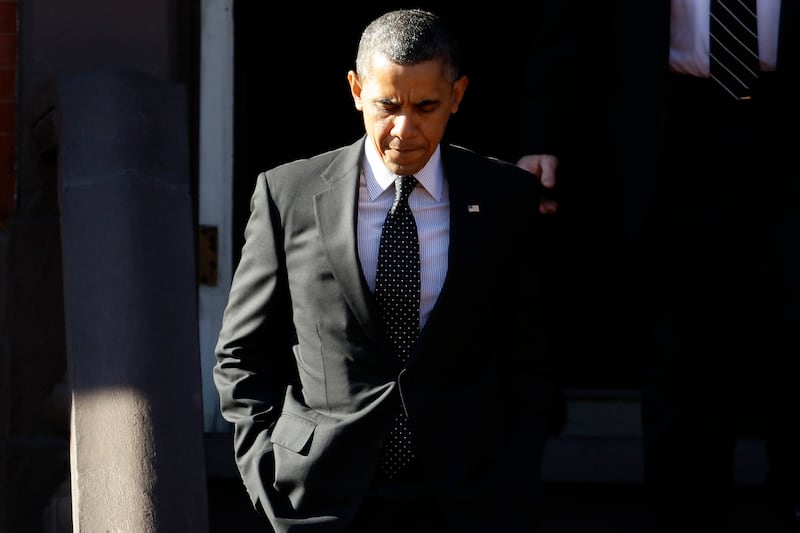
With Clinton, the criticism was that he spent too much time “talking to hillbillies from Arkansas and not talking to people who knew how this town worked,” says Myers. With Obama, the criticism is that he doesn’t talk to anyone, and that he doesn’t like it when people come to the White House and then go out on the floor of Congress and blast him. “Get used to it, this is Washington,” she says. “It wouldn’t hurt him [Obama] to get out a little more.” Clinton learned how to work with Republican Speaker Newt Gingrich, and Gingrich could deliver.
Steve Clemons, with the Atlantic Media Company, is an unabashed admirer of the social circuit. “It’s where deals get made and secrets get whispered. It’s like another layer of government; it’s part of the currency of moving the political agenda.” He notes that a recent biography of George Washington describes how Washington climbed the political ladder holding parties and attending them. “It’s a whole different picture that we don’t see in the marble [statues].”
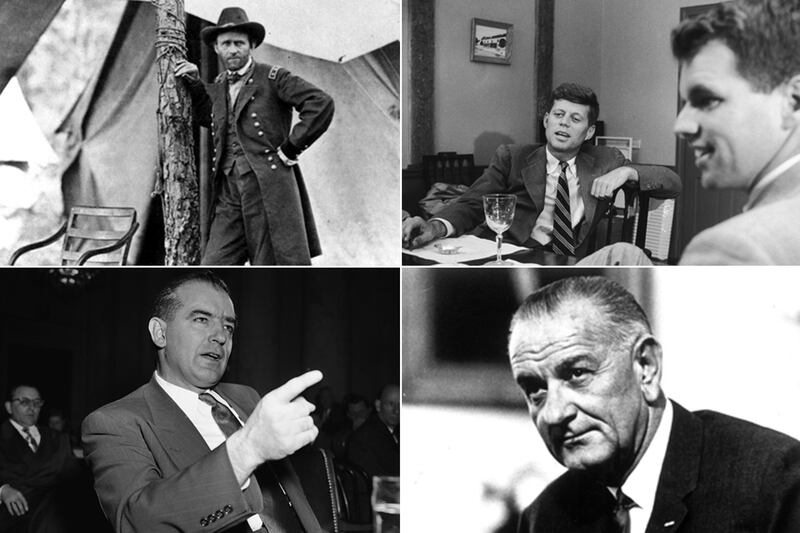
Maybe moviemaker Steven Spielberg can elevate Washington’s party giving the way he did Lincoln’s horse trading: make it seem like a noble endeavor toward a greater goal. Obama could be taking some of this to heart. Noting that his daughters are growing up and don’t want to spend as much time with him anymore, he sounded almost wistful, saying it was getting “kind of lonely in this big house,” and that “I’ll probably be calling around, looking for somebody to play cards with or something.”