Two years ago Nadine Wahab was sitting at home in Washington, D.C., and staring nervously at her computer screen. An Egyptian-American who grew up in the States and spoke only rudimentary Arabic, Wahab was a veteran D.C. activist, but very much a novice when it came to the politics of authoritarian Egypt. She worried what she’d gotten herself into.
For months Wahab had been using her Facebook account to help a group of Egyptian activists run an anonymous page agitating against Egypt’s police state. Called “We Are All Khaled Said,” it started as a means to protest the death of a young Alexandria man at the hands of the police. But after the Jasmine Revolution erupted in Tunisia, forcing its autocratic leader Zine al-Abidine Ben Ali from power, the Facebook page trained its sights on Egypt’s strongman president, Hosni Mubarak. It put out a call for a massive demonstration against the dictator on Jan. 25.
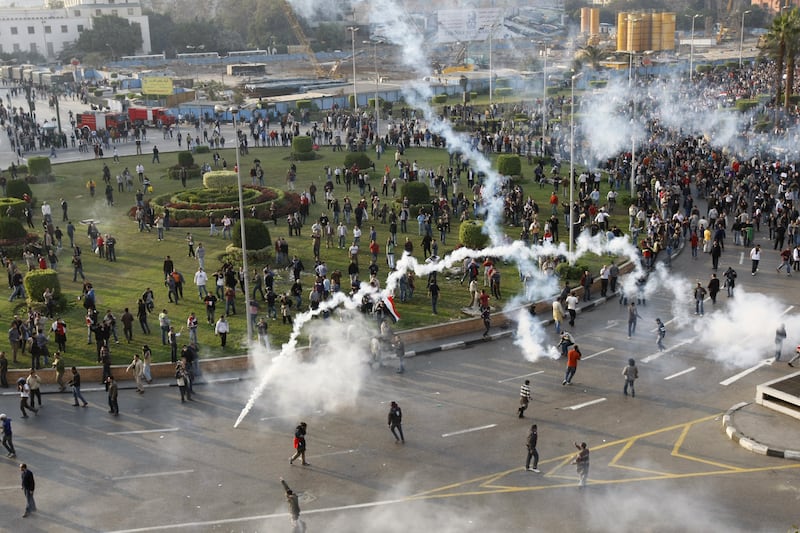
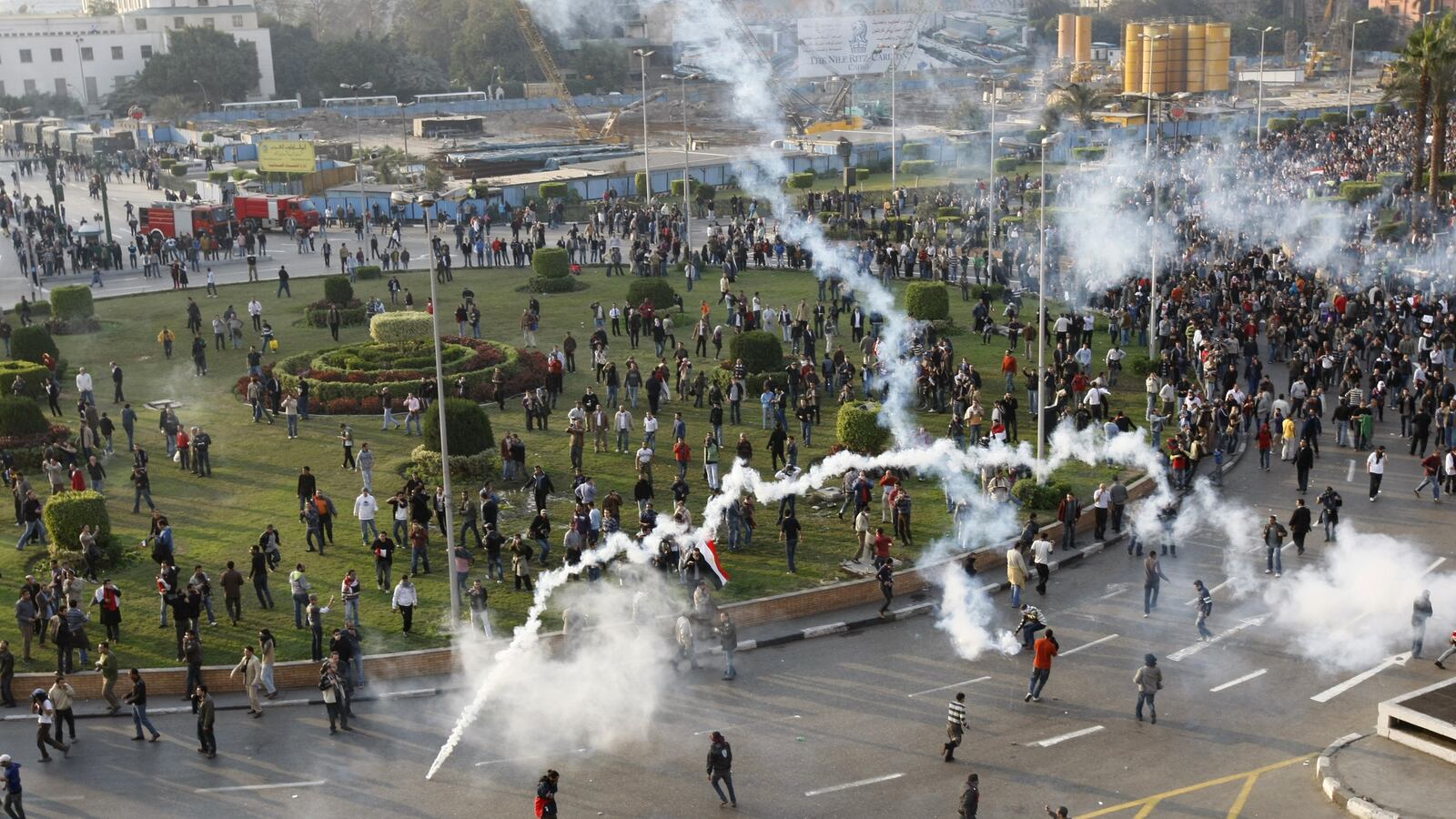
The calls to protest worked—hundreds of thousands of Egyptians took to the streets, flooding Tahrir Square and bringing the country to a standstill. And 18 days later, after three decades in power, Mubarak stepped down.
Today, Egyptians plan to demonstrate—both to mark the 2011 revolution and to warn the country’s democratically elected president, Mohamed Morsi, and his Muslim Brotherhood–backed party against overreach. Over the past few months, Morsi has been accused of trying to take on authoritarian powers—a move protested by hordes of angry Egyptians who stormed the presidential palace in December.
Wahab—who during the last two years moved to Cairo, where she’s learned fluent Arabic and thrown herself into keeping the revolutionary flame alive—was at the recent stand-ins against Morsi and now talks about a new push to remove the brotherhood from power via the ballot box. But on the anniversary of the start of Egypt’s Arab Spring, she plans to be far from the site of any protests, instead taking the day to reflect and regroup. “Sitting perfectly still,” she says, “and probably watching everything on Facebook.”
As the anniversary approaches, The Daily Beast takes a look at some of the revolution’s most prominent players—from that anonymous Facebook administrator to a Tahrir Square singer and disgraced general—to see where they are now and what they think of the state of the revolution today.