
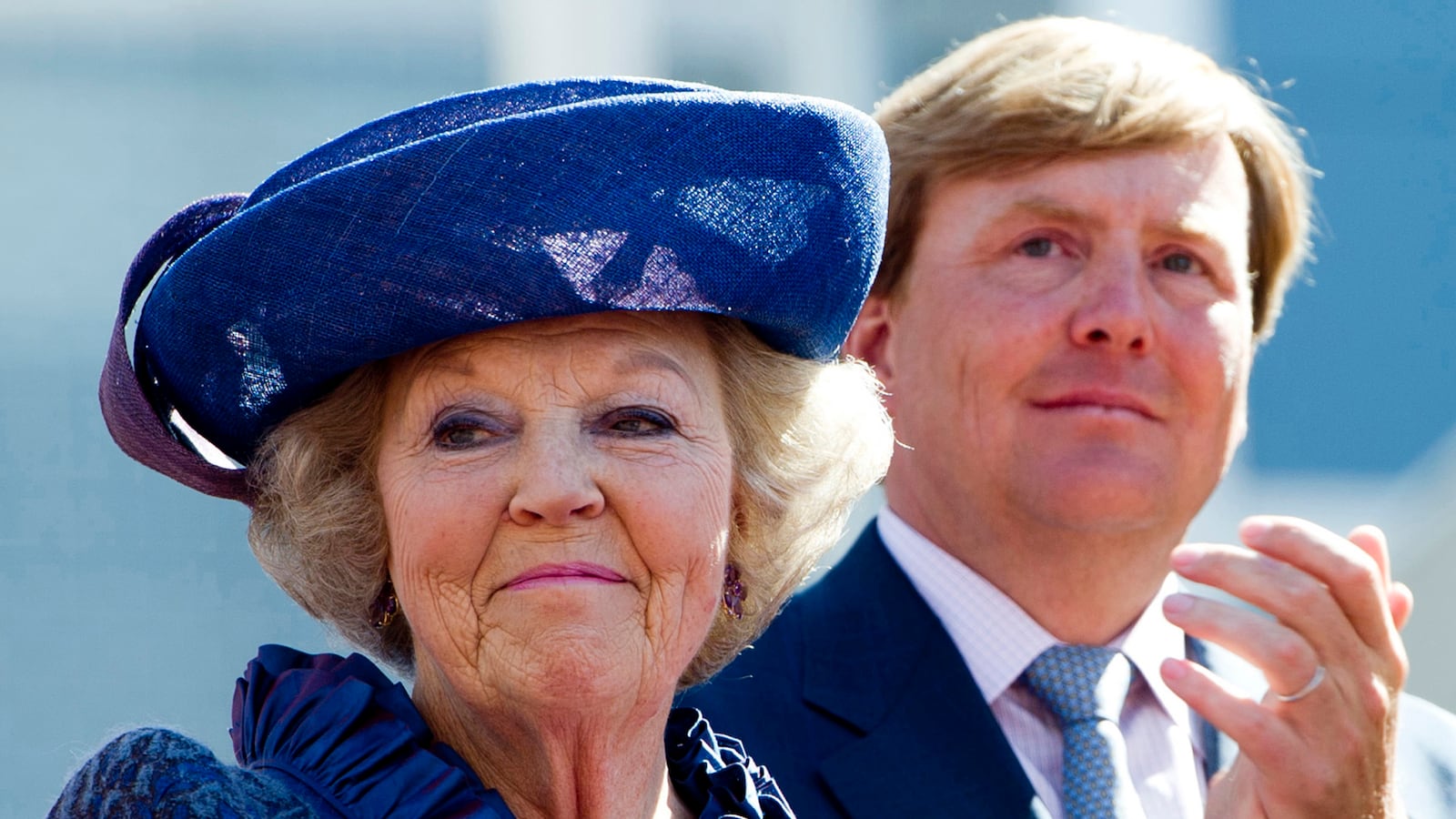
After reigning over the Kingdom of The Netherlands for 32 years, the Dutch queen Beatrix has announced her decision to abdicate on the 30th of April of this year.
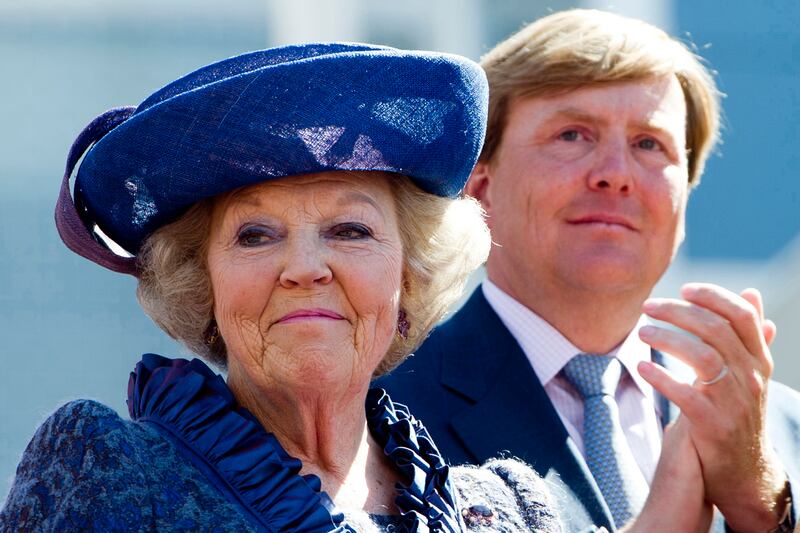
At 7 p.m. local time, Queen Beatrix gave a speech that was broadcast on nationwide radio and television. She expressed her gratitude for what she called “the trust you showed in all those years that I was allowed to be your queen.” The date of her abdication was chosen carefully—it’s the birthday of the queen mother—and also falls during the year of the 200th birthday of the Dutch kingdom.
It’s assumed that, as a result of her abdication, her son, Prince Willem Alexander, will ascend to the throne—and for the first time in three generations, The Netherlands will have a king.
The Netherlands is a constitutional monarchy, which means the role of the king is anchored in its laws. In the Dutch Constitution, it says that the king will govern together with the Dutch Parliament and its ministers.
Queen Beatrix has held the throne since 1980. She took over from her mother, Juliana, who took the place of Queen Wilhelmina. Prince Willem Alexander will break the mold of feminine rule dating back to 1890 when, Emma, queen regent, temporarily held the throne until the coming of age of her then-10-year-old daughter Wilhemina.
Although Queen Beatrix was much loved for her wisdom, her reign did come with its occasional hiccups—starting with a rather controversial marriage to the German Klaus von Amsberg, who belonged to the German nobility. The young Klaus, like many of his generation, had been a member of the Hitlerjugend, or Hitler Youth. Still, at the time of the marriage between Klaus and then-princess Beatrix in 1966, roughly 20 years after the German occupation, the Second World War was far from forgotten.
In the decades that followed, Queen Beatrix proved to be a wise queen and her husband equally so, a truly majestic couple, some would say "worthy of their inherited station."
However, in recent years, calls for a solely ceremonial royal house in The Netherlands have been gaining strength. An increasing number of Dutch citizens believe that a hereditary title—such as being a member of the royal house—should not allow someone to exert influence on a political level. Not to mention the fact that having royalty is very expensive—and the Dutch royal family is the most expensive one of all in Western Europe, four times more expensive than Spain’s monarchy.