This Week’s Hot Reads: March 31, 2014
A form-defying poetic novel from one of Israel’s best writers and a history of the Ten Commandments.
Get the Beast Digest newsletter delivered straight to your inbox
By clicking “SIGN UP” you agree to our Terms of Use and Privacy Policy.
The Ten CommandmentsBy Michael Coogan
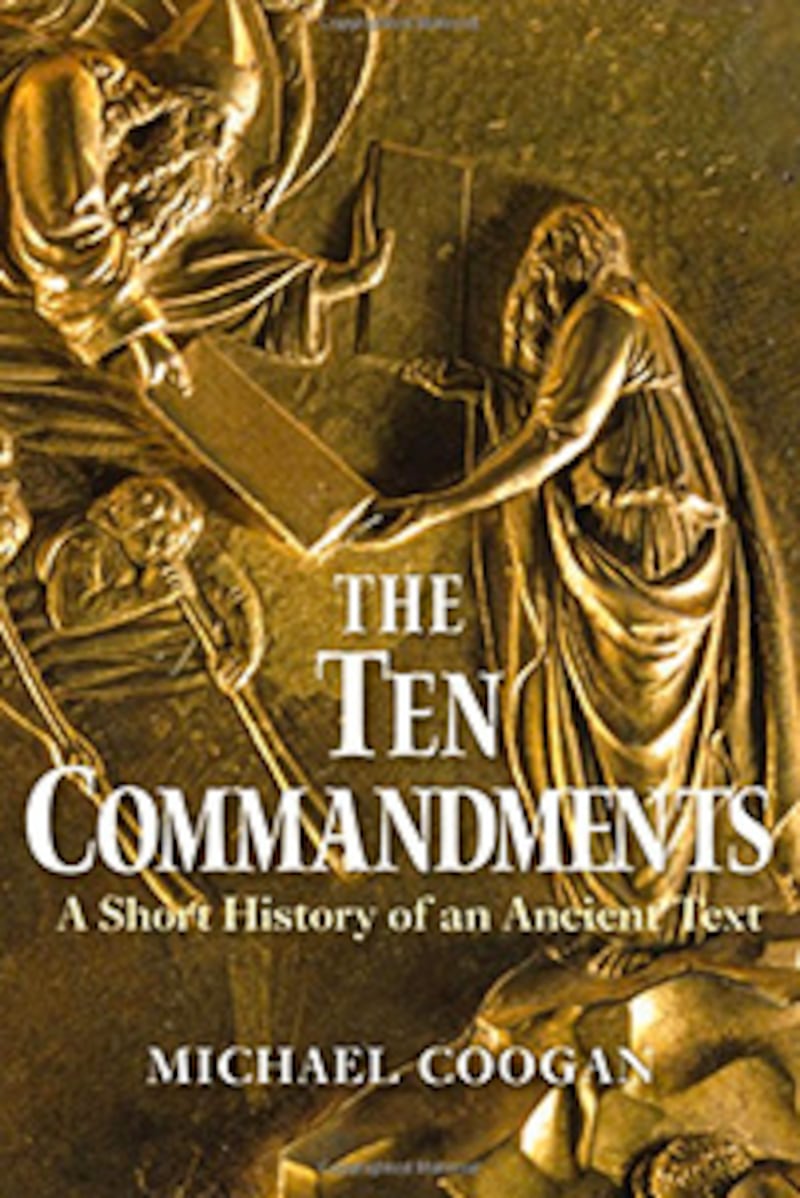
Quick, a challenge: name the Ten Commandments. For something so frequently referenced in the public discourse, it’s surprising how the words themselves can be taken for granted, or forgotten altogether. (Stephen Colbert once issued the same challenge to a congressman who sponsored a bill requiring the display of the commandments in courthouses. He could only come up with three.) But perhaps, if you’re particularly savvy, you’d reverse the game on me: am I referring to the commandments as they appear in Exodus 20, Deuteronomy 5, or Exodus 34? Michael Coogan, director of publications for the Harvard Semitic Museum, opens The Ten Commandments: A short history of an Ancient Text, by listing the three different Decalogues in full, to demonstrate their differences; the third list includes such entries as “You should not boil a kid in its mother’s milk.” Presented at first without comment, he establishes a slightly ironic tone that will be carried through the rest of the (fairly slim) book; here he is commenting on the issue of public display of the Decalogue on government property: “I … have a mischievous if not subversive alternative. If it is to be displayed, I suggest that copies of the full text of all three versions of the Decalogue be posted in classrooms and other venues, to teach readers how the bible was formed over time, and what that implies for its status as a supreme authority.” Coogan is interested in the commandants not only as an ancient text but as a living, social one, and enjoys grappling with the issues that surround them today as much as he does providing historical background. Legislators, particularly, should read this book, before they try to mount tablets on the courthouse steps.
PoiluBy Louis Barthas
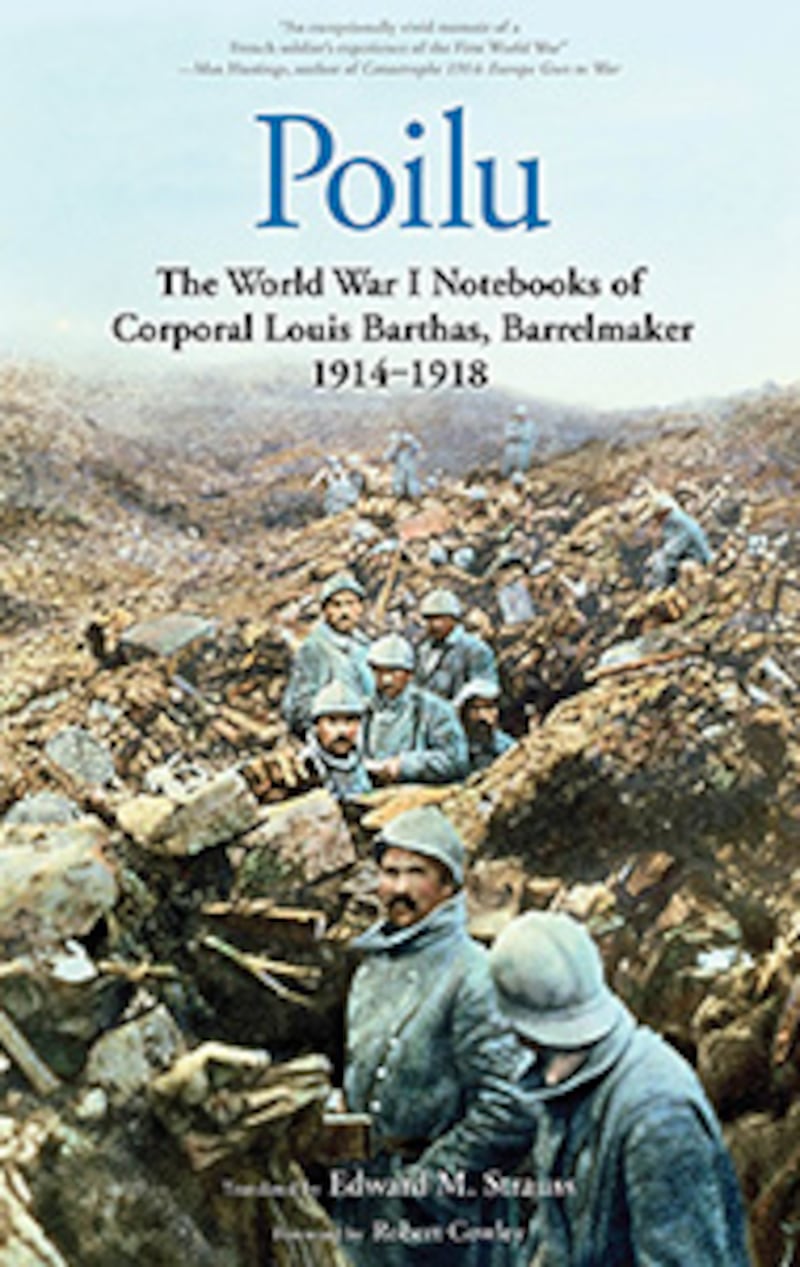
After the First World War, it became the new foremost charge of writers from the many nations involved to describe the indescribable, to somehow transmit to those who hadn’t seen the murderous conflict at the front just how effective man had become at destroying himself. But the literary arts can sometimes fail to capture brute realities, and it’s often more helpful to turn to primary sources in such cases where merely to describe is to condemn. Poilu: The World War I Notebooks of Corporal Louis Barthas, Barrelmaker 1914-1918, has been in print in France since the 70’s, but is only now translated into English, by Edward M. Strauss, the former publisher of MHQ: The Quarterly Journal of Military History. Corporal Barthas, conscripted out of his life as cooper in the French countryside at the age of 35, saw four years of near-constant fighting in some of the largest and deadliest actions of the war (and of all time): Artois, Flanders, Champagne, Verdun, the Somme, and the Argonne. The fact of his survival is unlikely enough, but he also set down everything that he saw and experienced in a series of notebooks, with no deficit of insight, opinion, or literary flair. His description of the meat-grinder of trench warfare is visceral, but he saves most of his venom for those in command: “What punishment would these inhuman generals deserve, the artisans of defeat, for ruining, spoiling, exposing to suffering and death so many precious souls?” One wonders why it took so long for an English translation—this is clearly one of the most readable and indispensable accounts of the death of the glory of war.
Falling Out of Time By David Grossman
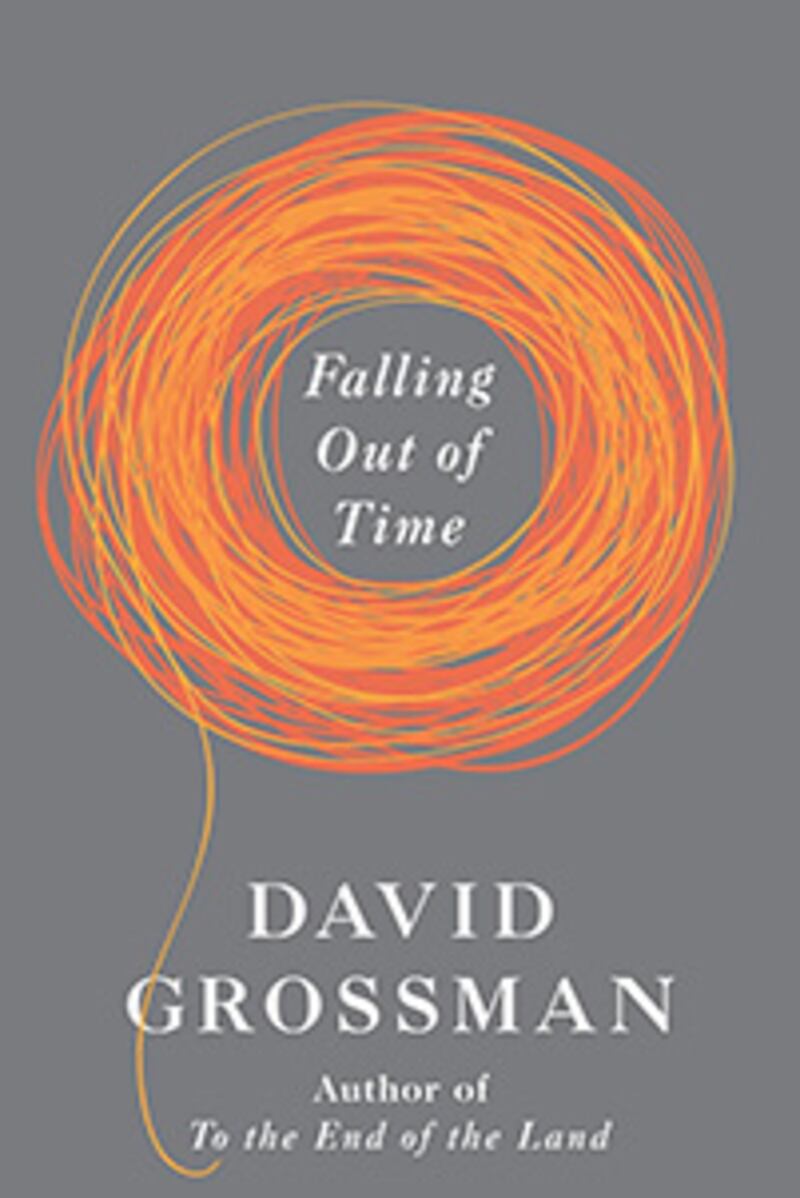
In his new book Falling Out of Time, widely-lauded Israeli writer David Grossman bends and breaks all manner of genre and form and recombines them to create a singular reading experience. The story here is one of confronting grief—a man informs his wife one night that he is going out to search for their dead son, and begins to walk in widening circles around the town. In time he is joined by other unnamed townspeople and personages, from the Net Mender to the Duke, all with their own history of loss. Their journey will take them to the border between the living and the dead—represented, appropriately enough for a writer living in Jerusalem, by a rock wall. But it’s the free verse in which the story is told that’s most impressive (facilitated by what one must assume is an excellent translation by Jessica Cohen.) We may wonder why novels or novelistic structures are not more often rendered in verse, but then we remember how hard it is to produce even a few lines of good poetry, let alone enough to support an extended narrative. Choose a random page and you’ll likely find a few lines that, excerpted, would stand under their own titles. Here’s an example, nearly at random, in which the man describes what it was like when he was told of his son’s death:
With a child’s wonder they learned they could hold death in their mouths like candy made of poison to which they are miraculously immune.
Whatever form we would like to call this, Grossman is its master.
See more of our coverage in your search results.

Got a tip? Send it to The Daily Beast here.
Unlock a year of full access to The Daily Beast for $35.
Monthly
$1
First month then $5.99/month
Annual
$35
First year then $59.99/year
Premium
$79
First year then $119.99/year
*Substack access provided by the next business day, using your subscription email. Choosing the Premium plan constitutes your permission to share your subscription email with Substack and your agreement to Substack’s Privacy Policy.
Looks like you already have a subscription!
- Account (completed)
- Payment (completed)
- Confirmation (completed)
You're all set!
Thanks for subscribing.
- 1Account
- 2Payment
- 3Confirmation
Sign in or create an account
Register below to read this article for free or subscribe
to unlock unlimited access to The Daily Beast.
Monthly
$1
First month then $5.99/month
Annual
$35
First year then $59.99/year
Premium
$79
First year then $119.99/year
*Substack access provided by the next business day, using your subscription email. Choosing the Premium plan constitutes your permission to share your subscription email with Substack and your agreement to Substack’s Privacy Policy.
Already have an account? Sign In
Looks like you already have a subscription!
- Account (completed)
- Payment (completed)
- Confirmation (completed)
You're all set!
Thanks for subscribing.
- 1Account
- 2Payment
- 3Confirmation