The Best of Brit Lit
A look at great reads from the editor of the Times Literary Supplement. This week: Somerset Maugham’s wild sexuality, how snakes help us see, and the importance of literary mags.

Get the Beast Digest newsletter delivered straight to your inbox
By clicking “SIGN UP” you agree to our Terms of Use and Privacy Policy.

Somerset Maugham’s Bondage
Somerset Maugham is one of those authors now more read about than read. In 1907, he had four plays running simultaneously in London and in 1940 George Orwell listed him with Lawrence and Joyce among the lasting authors of his time. Selina Hastings' new biography focuses instead on what is now the much more studied aspect of his life, what Jeremy Treglown in the TLS this week describes as a "thrilling but increasingly wretched sexuality." Treglown hopes that readers of the life will be drawn back to his iconic works—to Of Human Bondage as well as to the heated bedroom behavior of Cap Ferrat's Villa Mauresque. But Hastings' biographical approach remains wholly justified, he believes, for the career of "an extraordinary, extravagant, generous, and bitter artist."
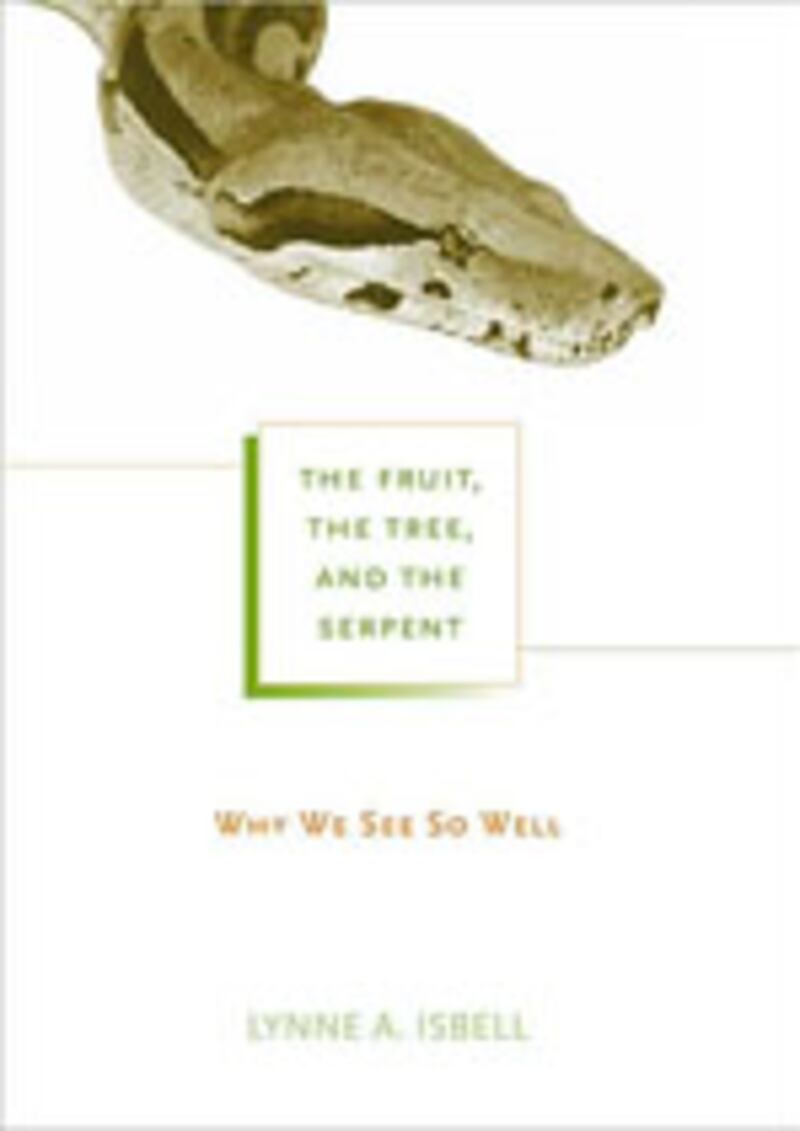
Snakes on the Brain
After reading about Maugham's adventurous sexuality (and that of Hugh Hefner and Theodore Dreiser, too, this week), TLS readers might be left seeking some deeper scientific explanation of the serpent in Adam and Eve’s garden. Barbara J. King provides one through the thesis of Lynne A. Isbell that species can be divided between those that have evolved closely alongside snakes and those that have not. Isbell's book is titled The Fruit, the Tree and the Serpent: Why We See So Well. Primates, it seems, are evolutionarily prepared to fear, detect, and respond to snakes. Their eyes improve accordingly. The species that have seen the most serpents see everything else better, too.
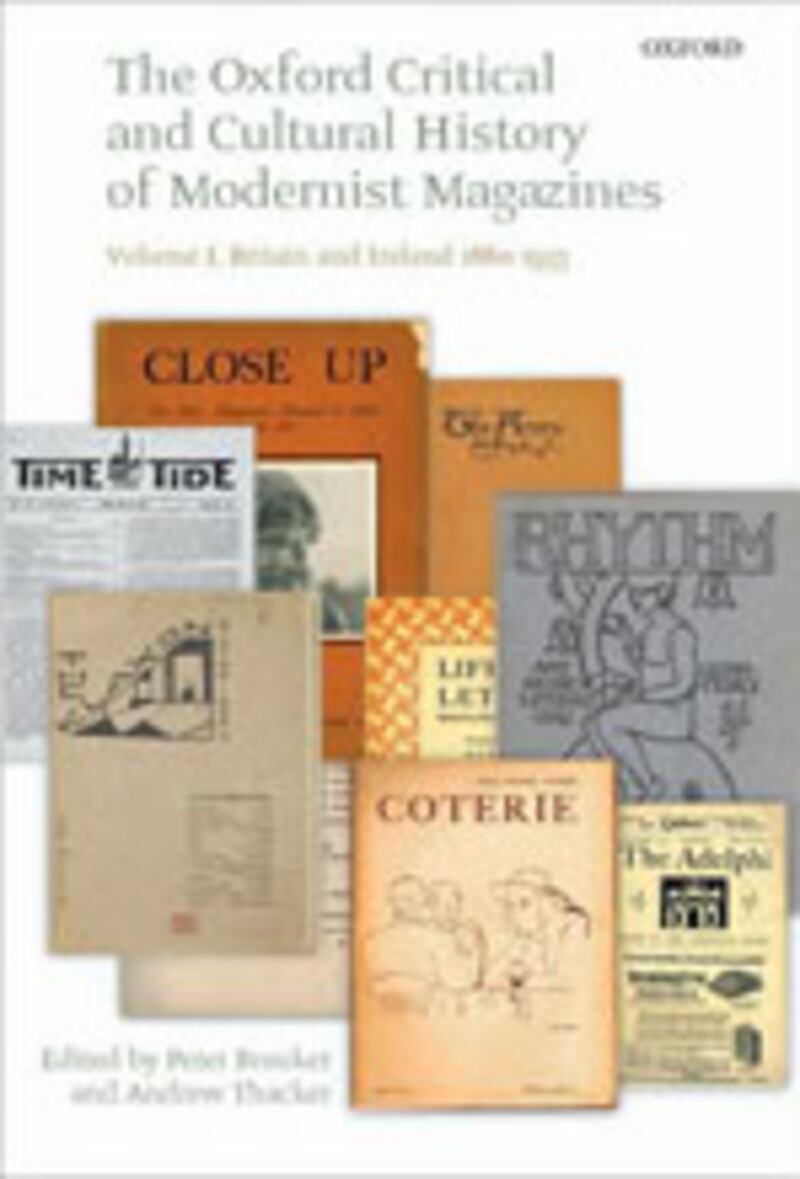
Modernism’s Little Magazines
When T.S. Eliot was asked what literary magazines were for, he gave two very different answers at different times in his life. One: 'To introduce the work of new or little-known writers of talent.” Two: “The maintenance of critical standards and the concentration of intelligent critical opinion.” The Cambridge professor, Stefan Collini, uses the publication of The Oxford Critical and Cultural History of Modernist Magazines to reflect on the continuing tension between these two aims. Short-lived magazines such as Acorn (1905-6) and New Numbers (1914) are evaluated alongside Eliot's own Criterion (1922-39).
Plus: Check out Book Beast for more news on hot titles and authors and excerpts from the latest books.
Peter Stothard is editor of the Times Literary Supplement. He was editor of The Times of London from 1992-2002. He writes about ancient and modern literature and is the author of Thirty Days, a Downing Street diary of his time with British Prime Minister Tony Blair during the Iraq war.
See more of our coverage in your search results.

Got a tip? Send it to The Daily Beast here.
Unlock a year of full access to The Daily Beast for $35.
Monthly
$1
First month then $5.99/month
Annual
$35
First year then $59.99/year
Premium
$79
First year then $119.99/year
*Substack access provided by the next business day, using your subscription email. Choosing the Premium plan constitutes your permission to share your subscription email with Substack and your agreement to Substack’s Privacy Policy.
Looks like you already have a subscription!
- Account (completed)
- Payment (completed)
- Confirmation (completed)
You're all set!
Thanks for subscribing.
- 1Account
- 2Payment
- 3Confirmation
Sign in or create an account
Register below to read this article for free or subscribe
to unlock unlimited access to The Daily Beast.
Monthly
$1
First month then $5.99/month
Annual
$35
First year then $59.99/year
Premium
$79
First year then $119.99/year
*Substack access provided by the next business day, using your subscription email. Choosing the Premium plan constitutes your permission to share your subscription email with Substack and your agreement to Substack’s Privacy Policy.
Already have an account? Sign In
Looks like you already have a subscription!
- Account (completed)
- Payment (completed)
- Confirmation (completed)
You're all set!
Thanks for subscribing.
- 1Account
- 2Payment
- 3Confirmation