Bald Rich People Get a Bizarre New Treatment
An experimental treatment might “stop the clock” on thinning.

Olga Rolenko/Getty Images
A new experimental treatment could transform how doctors treat hair thinning—and some wealthy clients are already undergoing it.
“Hair banking” is a technique used to “stop the clock” on hair aging by harvesting healthy hair and freezing it for future use. Paired with an emerging cloning technique, it could make hair transplants less time-consuming while delivering better results.
The experimental technique is relatively simple: while a patient still has a full head of hair, a professional can harvest a small number of strands. The hairs are then cryopreserved, multiplied, and inserted back once the patient’s hair begins to thin.
“Based on very early findings, this is a really good treatment for early-stage hair loss,” hair restoration surgeon Dr. Carlos Wesley told The New York Post.
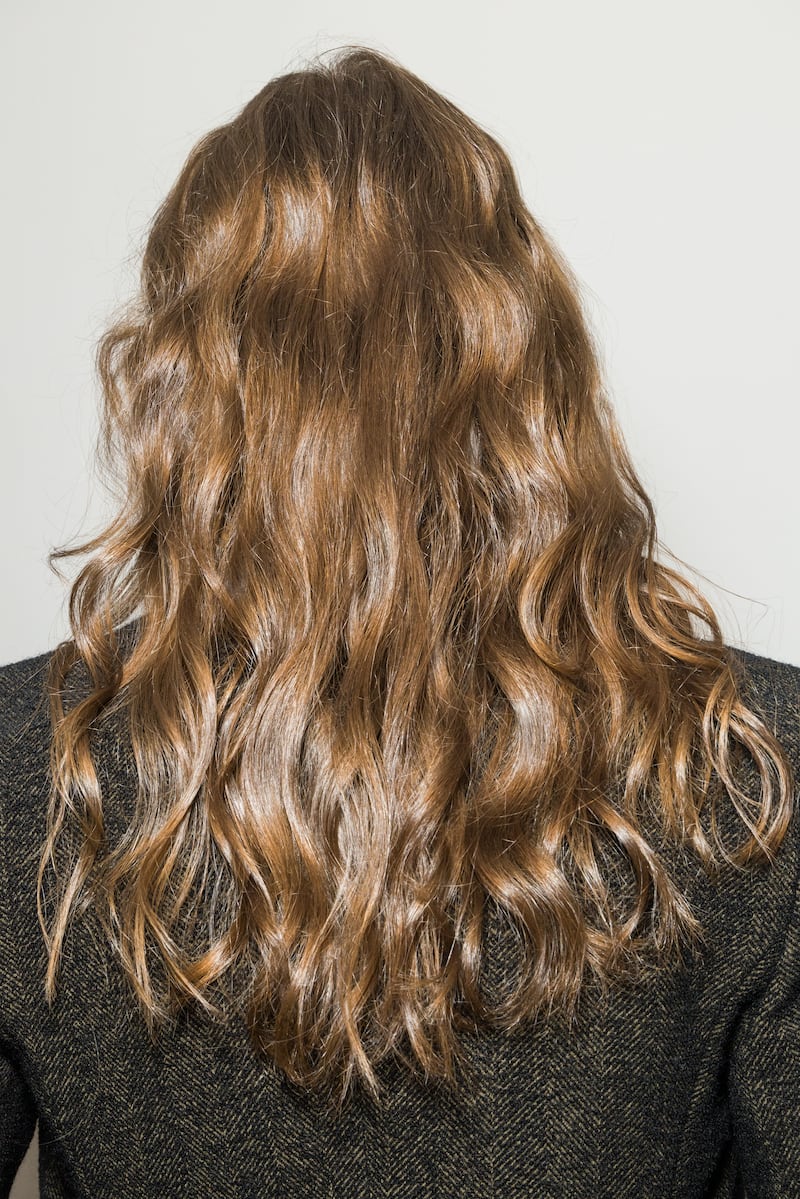
New techniques for her restoration are underway.
Rosdiana Ciaravolo/Getty Images
Although clients can already visit a professional to harvest hair before it starts thinning, the cloning technique is still under development and hasn’t been FDA-approved. Right now, researchers send harvested follicles to facilities abroad to be cloned.
The U.K.-based biotech company HairClone began follicle cryopreservation and banking in 2019. It is developing the cloning technique and started clinical testing in March 2026.

Typically, a hair transplant may require 1,000 to 4,000 hair grafts. People harvesting hair now in hopes of cloning later need only around 100 hair follicles extracted individually with the Follicular Unit Extraction (FUE) technique. This minimal extraction requires shaving only a small area and takes around 30 minutes with topical numbing.
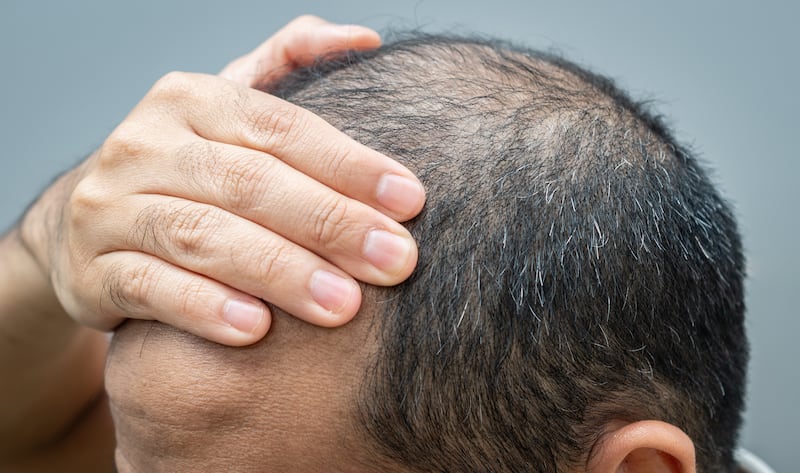
“Hair banking” is recommended to people who are not yet experiencing significant thinning.
Boy_Anupong/Getty Images
According to Dr. Wesley, storing hair before it starts thinning offers a clear advantage. When the young hair is planted in the head, it can “reprogram” the existing hair follicles and make them “stay in the growth stage for longer.”
Sign up to receive news and updates from The Looker
By clicking “Sign Up” you agree to our Terms of Use and Privacy Policy.
“The idea behind hair banking is to preserve the hairs that have the most longevity,” Dr. Wesley said. “It’s preserving the potential that we have in the early stages of our lives to be used later on when it can be of more value.”
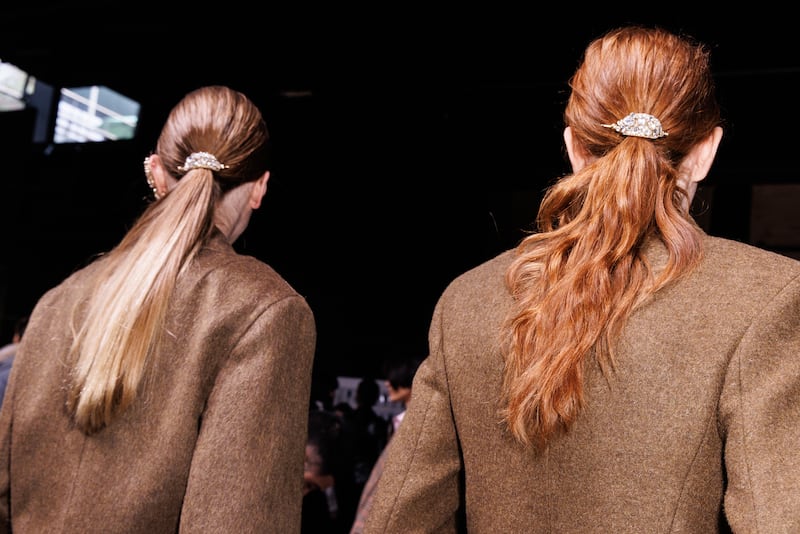
Hair banking “preserves the potential that we have in the early stages of our lives to be used later on when it can be of more value,” Dr. Wesley explained.
Rosdiana Ciaravolo/Getty Images
But results so far vary, and no one can guarantee outcomes for those freezing their hair now in hopes of cloning.
Dr. Wesley explained that, so far, the cloned hairs haven’t always settled in as planned.

“We had hoped… that those 100 hairs would be made into 10,000 hairs, place them on the scalp, and they would grow,” he said. “But that hasn’t been realized yet. We’ve all been a little bit humbled to see that the hair doesn’t take consistently.”
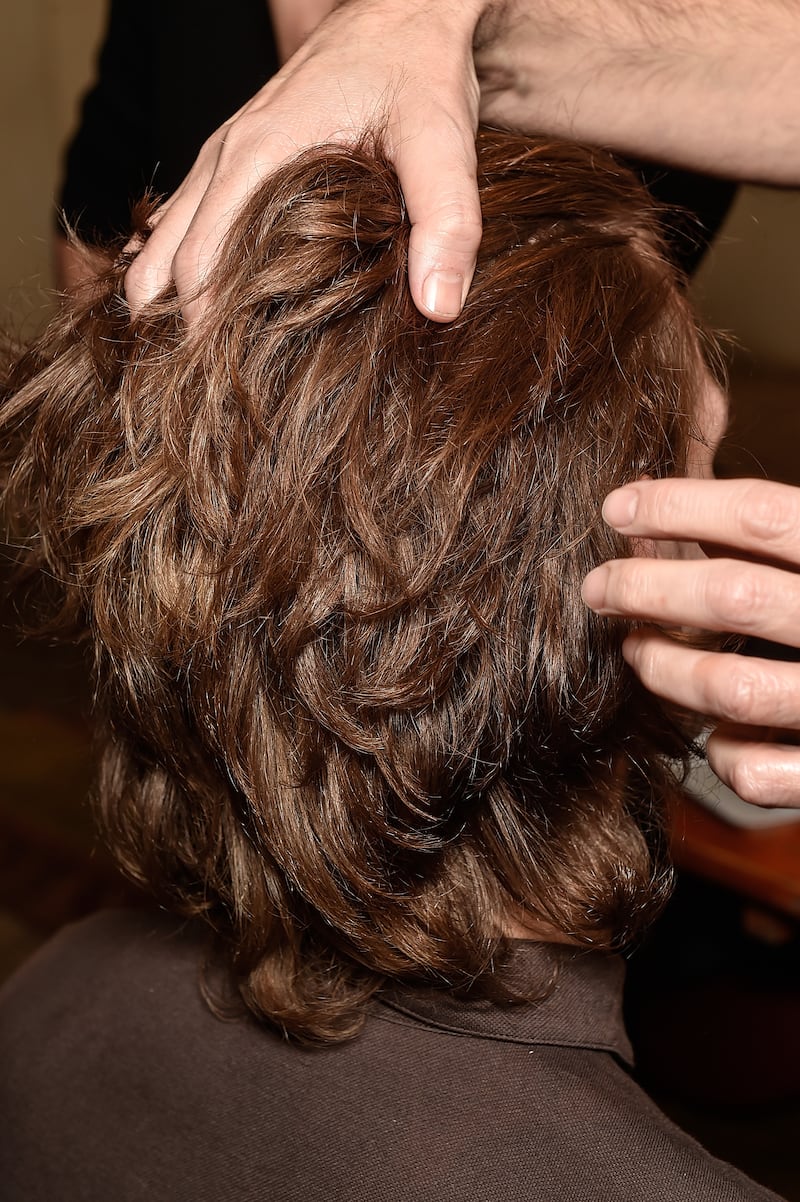
If hair cloning proves successful and gets FDA approval, it might transform the hair transplant industry.
Matteo Valle/Getty Images
The emerging technique may not be the answer to all kinds of hair loss. Dr. Wesley said the treatment is “not the best” for a receding hairline and, at least for now, seems more effective for the scalp and the top of the head.
He also said ideal clients have a family history of thinning and could use the technique to slow the process: “Those seem to be the best responders rather than someone who is completely bald.”
Hair banking is available at 10 U.S. clinics. In the U.K., where hair banking has been around longer, the extraction process costs more than $2,000. Then, yearly storage costs are added, along with the cost of the eventual hair transplant.



Register below to read this article for free or subscribe
to unlock unlimited access to The Looker and The Daily Beast.
Monthly
$1
First month then $5.99/month
Annual
$35
First year then $59.99/year
Premium
$79
First year then $119.99/year
*Substack access provided by the next business day, using your subscription email. Choosing the Premium plan constitutes your permission to share your subscription email with Substack and your agreement to Substack’s Privacy Policy.
Already have an account? Sign In
Looks like you already have a subscription!
You're all set!
Thanks for subscribing.
Sign in or create an account
Login dialog
Loading comments…