
The Supreme Court has given Donald Trump the green light to keep building his White House ballroom as it considers whether the project is unlawful.
With a lower court injunction due to take effect within hours, Chief Justice John Roberts ruled that ballroom construction can proceed as the court ponders the president’s emergency plea to intervene.
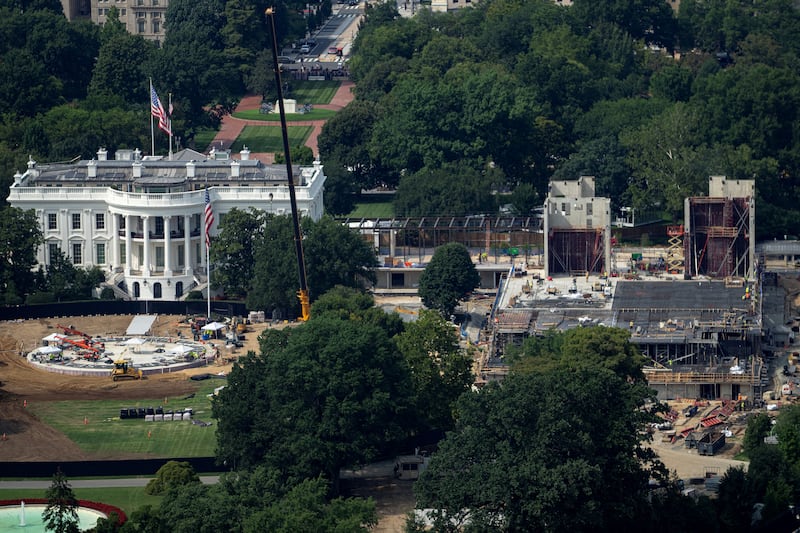
The decision comes despite lower courts finding that Trump could not unilaterally demolish parts of the White House or reshape federal property without approval and funding from Congress.
However, the administration argued that the ballroom was a national security necessity and that any delay risked Trump’s safety due to the various threats on his life.
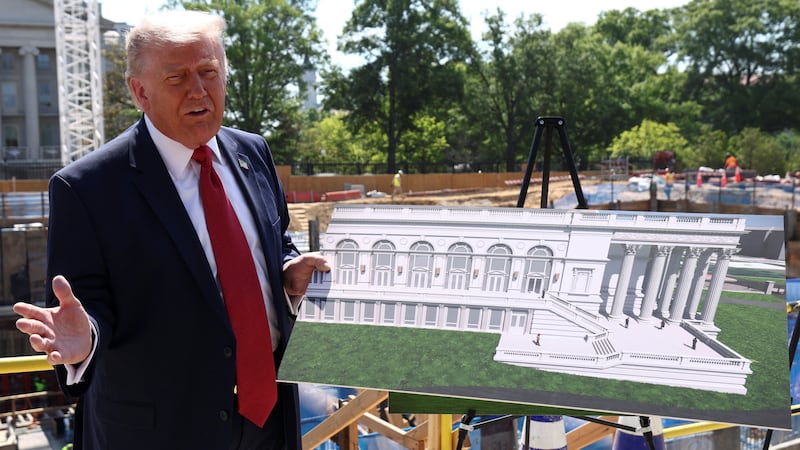
Trump’s lawyers also argued that the project—which now forms part of an underground military complex complete with bomb shelters—was about 65 per cent complete.
What’s more, they claimed, it was built with material used in nuclear power plants that would be “virtually impossible to deconstruct.”
“Quite frankly, if the building were tragically ordered to be taken down, or even altered, by the court, there would be no way to do so,” said Solicitor General John Sauer.
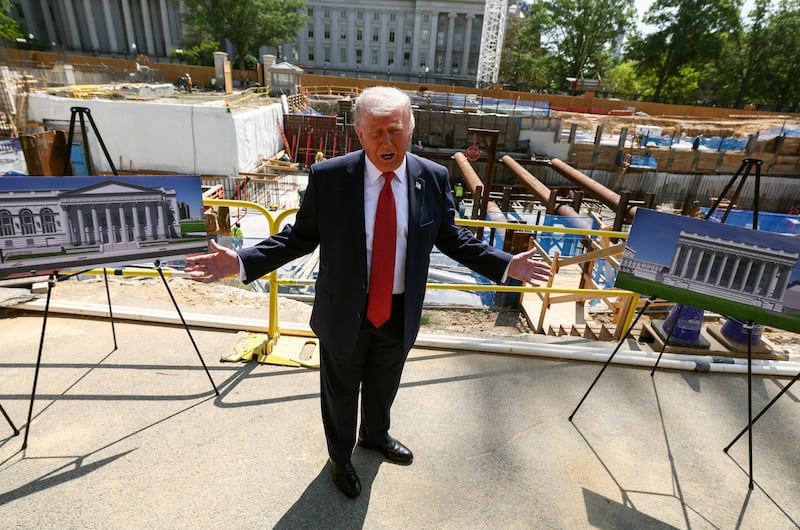
The Supreme Court’s decision means that construction can continue while legal proceedings play out.
“We are grateful for the Decision of the United States Supreme Court,” Trump responded in a Truth Social Post.
“The Military/Ballroom Complex being built on the hallowed grounds of the White House, which is so vital for National Security, will be THE GREATEST OF ITS KIND!
“It is something that Presidents have wanted for 150 years, and that the Military has been seeking for the last 100 years. Their wish will soon be fulfilled! Construction is under budget and ahead of schedule. Thank you for your attention to this matter!”
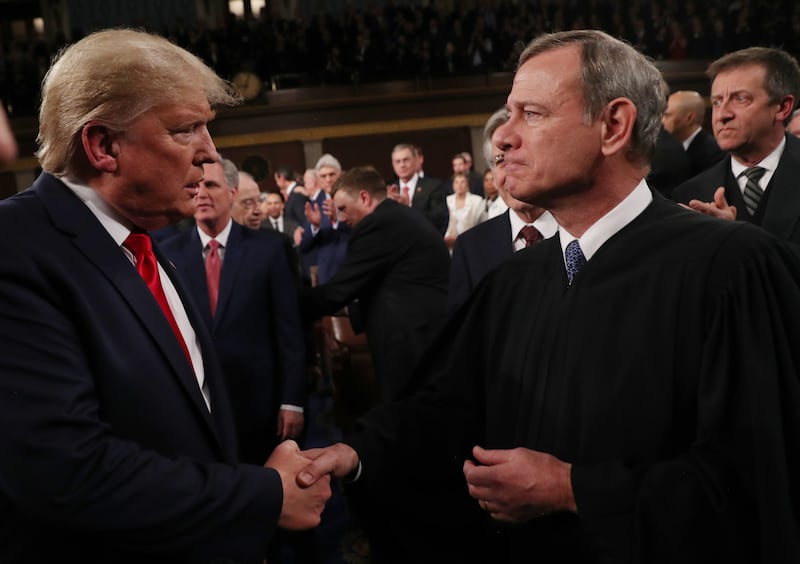
The National Trust Preservation Committee filed the original lawsuit in December, accusing the president of overstepping his authority to fast-track the controversial project.
“No president is legally allowed to tear down portions of the White House without any review whatsoever—not President Trump, not President Biden, not anyone else,” said the group’s complaint, which was filed in the U.S. District Court for the District of Columbia.

In a major blow for the president, Bush-appointed Judge Richard Leon agreed with the group, ruling in March that the ballroom “must stop until Congress authorizes its completion.”
However, Trump has spent the past few months appealing the decision while rushing to complete as much of the ballroom as possible.
Last month, a divided federal appeals court voted 2-1 that the project should cease, resulting in Trump launching a 500-word diatribe on Truth Social, lashing out at the decision.
“The Military and Secret Service are viewing this horrendous, politically motivated, and unlawful ruling as a National Security threat to our Nation in that the entire Complex is being built for the protection of our Country and, additionally, all future Presidents,” he said.
This week, as the U.S. debt hit a record $40 trillion, Trump took reporters on a tour of the demolished White House grounds to show how far the project had progressed.
As he led reporters across the construction site, the president acknowledged that special guests of the White House would soon be able to enjoy cocktails on the South Lawn before using his brand-new event space.
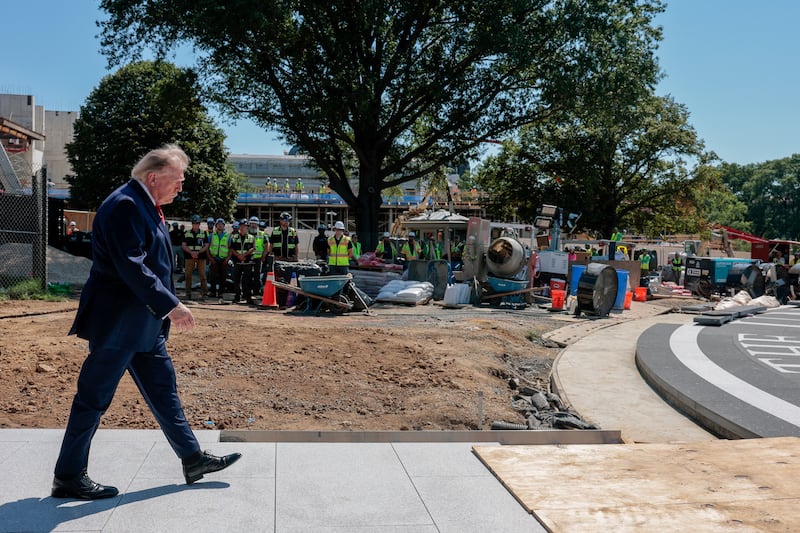
“They get out of the car and they walk down this path... and they can have cocktails and everything outside of the White House, and then they go into the ballroom,” he told reporters.
“The ballroom is so much a military component with the drones and the bomb shelters and everything else that we have in there.”
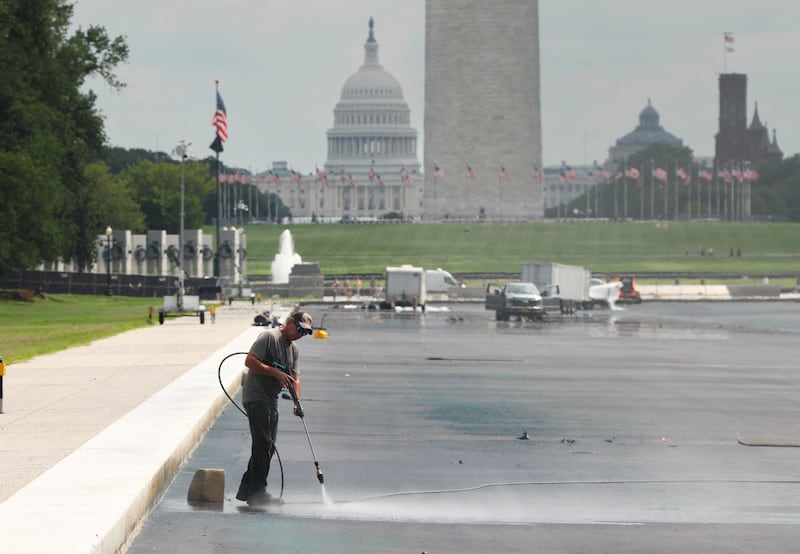
The $400 million ballroom is one of many projects Trump has undertaken to reshape Washington in his own image. Among other things, the president also wants to build a giant arch near the sacred Arlington Cemetery; he’s still fixing the Lincoln Memorial Reflecting Pool after his hand-picked contractors botched it; and he plans to replace the grass in all of DC’s parks with a help of a company that donated to his campaign.
A spokesperson for the National Trust Preservation Committee said: “We are aware of the administrative stay. To be clear, this is not a final decision on the merits of the government’s stay application, and we await further action.”