Colin Powell Can Support Obama Because He’s Black
So what if the general endorsed the president based on race? Identity politics don’t deserve their bad rap.

Mary Altaffer / AP Photo
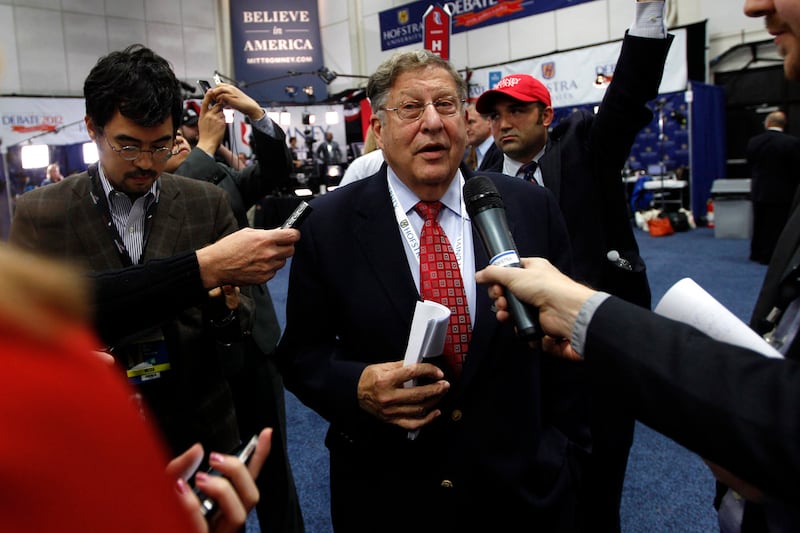
On Thursday night former New Hampshire governor John Sununu suggested—no, he plainly stated—that Gen. Colin Powell endorsed President Obama for a second term because both he and the president are black. Yes! Mr. Sununu, you are right. General Powell was quite articulate in his assessment of the issues that inform his reendorsement of Barack Obama. He cited Romney’s weakness for shifting his positions, especially on foreign policy, and the absence of arithmetic in Gov. Mitt Romney’s economic plan, among others. Although General Powell has legitimate, policy-oriented reasons for supporting President Obama, let us, for the sake of argument, take Sununu’s comments to heart and consider what, if anything, is wrong with identity-based voting.
For most of the history of this country, race has not been a fundamental factor in the selection of the President of the United States. There have been a handful of candidates who made it to the national electoral platform, including Shirley Chisolm, the Rev. Jesse Jackson, and the Rev. Al Sharpton, but we haven’t had many chances to really test Sununu’s theory on either side of the black-white racial divide when it comes to presidential politics. In fact, what Sununu’s comments actually put into bold relief is the fact that race-based presidential endorsements may be going on all around us—and may have been going on all throughout America’s history.
Jon Stewart joked about this on The Daily Show this week, but Romney’s doppelgänger strategy in the third and final debate may have given some voters the façade of a simple choice between two men who have the same views and differ only in terms of their race (my friends on the left love this idea). If you believe in the more moderate iteration of Mitt Romney and you are just more comfortable voting for someone who looks like you, then so be it. Never mind that he is among the most elite of the 1 percent class or that his religion may be different from that of many Americans; it is race that will fundamentally inform too many voting decisions this election season.
If you ask a 50-something black person about Sununu’s comments, the person will rail about racism on the right and the litany of racialized commentary coming from the right over the course of the presidential-primary process. If you ask a 75-plus African-American about Sununu’s assertion that General Powell endorsed Obama because Obama is black, their response would be something more akin to “So what?” or “And what if he did?” For many older black folk—and by older, I mean those old enough to have had firsthand experience with the vestiges of Jim Crow segregation—President Obama’s symbolic capital occasionally trumps the political issues we spend so much time debating these days.
Many of the black folks who routinely vote Democratic hold Powell (the first black secretary of state) in very high esteem. They are not blind to his role in the whole WMD fiasco or to his decision to leave the administration after his first term. They don’t agree politically with everything Powell believes in, but he reminds all of us of what the Republican Party was before the religious right, neocon, and Tea Party takeovers.
Sign Up for Our Beast Digest Newsletter
By clicking “SUBSCRIBE” you agree to our Terms of Use and Privacy Policy.
But all of this is not why Governor Sununu is right. Some black people do vote for some black candidates because they are black; some white people vote for some white candidates because they are white; some women vote for women candidates because they are women. Sometimes identity politics matter. But Sununu’s comments are right for another reason too—the human-race reason. What the post-Bush-administration Powell shares with Obama is an incredible capacity to communicate his humanity, and it is their communion in the human race that matters most in this endorsement.
See more of our coverage in your search results.

Got a tip? Send it to The Daily Beast here.
Register below to read this article for free or subscribe
to unlock unlimited access to The Daily Beast.
Monthly
$1
First month then $5.99/month
Annual
$35
First year then $59.99/year
Premium
$79
First year then $119.99/year
*Substack access provided by the next business day, using your subscription email. Choosing the Premium plan constitutes your permission to share your subscription email with Substack and your agreement to Substack’s Privacy Policy.
Already have an account? Sign In
Looks like you already have a subscription!
- Account (completed)
- Payment (completed)
- Confirmation (completed)
You're all set!
Thanks for subscribing.
- 1Account
- 2Payment
- 3Confirmation