Despite the War, Little But Lip Service for Veterans From the Stump
A voter guide for the 2.5 million post-9/11 military veterans, from Iraq and Afghanistan Veterans of America.

Reuters
Eleven years ago in October, American military forces launched a war in Afghanistan that’s still raging today. One would think that the war and the postwar care for the veterans that fought in Afghanistan and Iraq would be a crucial part of the 2012 presidential campaign, but that hasn’t been the case.
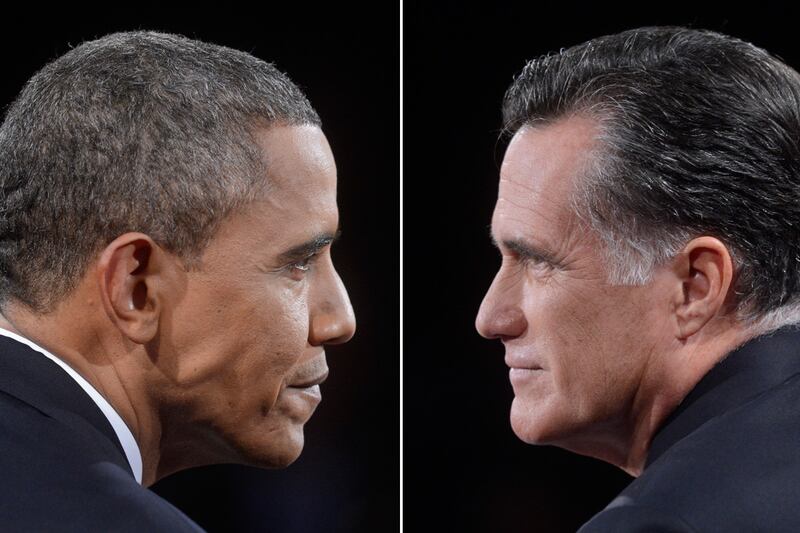
In stump speeches and campaign pit stops across the country, President Obama and Governor Romney have made cursory references to veterans’ care and benefits, but offered little in the way of specifics. And in the debates, the candidates spent more time talking about Big Bird than they did vets’ policy. ObamaCare versus “Obama Cares” and “Romnesia” are funny, but also a sad commentary on the state of our political discourse. The Main Streets in countless American towns and cities are pushed aside for carefully crafted PR zingers.
But whoever wins on Tuesday, America’s 2.5 million post-9/11 veterans—more than 60,000 in Ohio alone—will be looking to the president to address the education, housing, employment, and health-care challenges they face every day—and to do so substantively, the same way they have tackled the fallout from Hurricane Sandy. Just because the war in Afghanistan will end someday doesn’t mean it already has, nor does it mean that the effects of it are going away anytime soon. Quite the contrary, in fact.
Lost in the good news of this months’s jobs report was the fact that the unemployment rate for America’s new Greatest Generation is still at 10 percent, more than 2 percentage points higher than the rest of the country. Within that group, the Bureau of Labor Statistics reports that 15.5 percent of our female vets are unemployed. Not only are those numbers appalling, but the government’s research on the veteran community is woefully inadequate. If we’re going to make progress on vet employment, we need reliable data to provide effective support from the public, private and nonprofit sectors. Yet neither candidate has demanded real change for veterans.
Which is why Iraq and Afghanistan Veterans of America (IAVA) have released a voter guide to educate all Americans on the most pressing challenges challenging our new Greatest Generation. If the political leaders on both tickets don’t address critical issues like employment, support for our female warriors, and VA reform now,when will they? The answer is never. Veteran and civilians alike need to make clear at the ballot box on Tuesday that we expect nothing less than smart, committed plans that do more than pay lip service to veterans’ care.
IAVA calls on both parties to address the systemic issues creating barriers to veteran employment. Employment resources, such as the Transition Assistance Program, must be available to vets throughout their careers, not just at separation. The Uniformed Services Employment and Readjustment Rights Act, a law designed to protect the jobs of Guardsmen and Reservists who juggle both civilian and military careers, must be strengthened and extended to federal, state, and local governments. And too many vets are forced to retrain for the jobs they learned in the military because their licenses and certifications don’t translate to the civilian market. Arbitrary administrative red tape should never stand between veterans and jobs. But that’s exactly what’s occurring across the country.
Get the best of The Beast delivered right to your inbox
By clicking “SUBSCRIBE” you agree to our Terms of Use and Privacy Policy.
That’s the kind of specificity Americans need to demand from their political candidates.There are solutions to these issues, but our leaders have to show they’re committed to finding them. More solutions, less prepackaged quips. Demand substance, America.
See more of our coverage in your search results.

Got a tip? Send it to The Daily Beast here.
Register below to read this article for free or subscribe
to unlock unlimited access to The Daily Beast.
Monthly
$1
First month then $5.99/month
Annual
$35
First year then $59.99/year
Premium
$79
First year then $119.99/year
*Substack access provided by the next business day, using your subscription email. Choosing the Premium plan constitutes your permission to share your subscription email with Substack and your agreement to Substack’s Privacy Policy.
Already have an account? Sign In
Looks like you already have a subscription!
You're all set!
Thanks for subscribing.