Volcano Erupts for the First Time in Almost 12,000 Years
The Smithsonian says it hasn’t erupted during this geological epoch.
Afar Communication Bureau
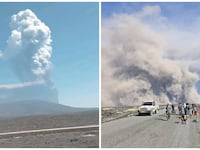
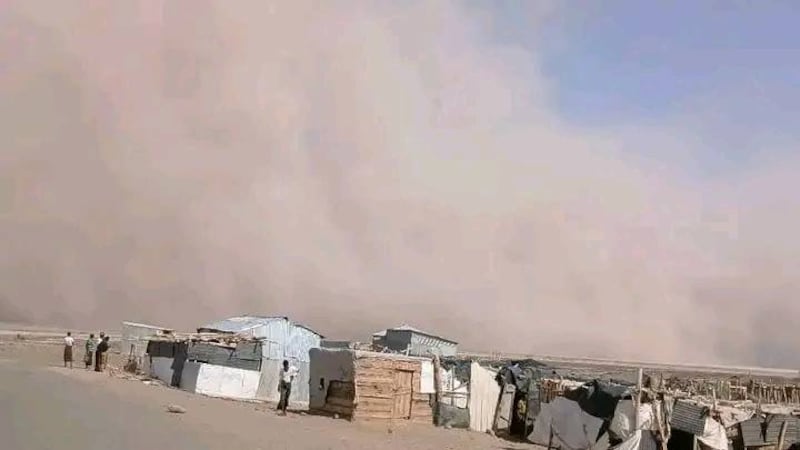
A volcano has erupted for the first time in at least 12,000 years, spewing clouds of ash nine miles into the air. The Hayli Gubbi volcano in the Afar region of Ethiopia erupted on Sunday, with no casualties reported. According to the Smithsonian Institution’s Global Volcanism Program, this is its first eruption in this geological epoch, which began around 11,700 years ago. Local official Mohammed Seid said there is no record of the last time it erupted. He said, “While no human lives and livestock have been lost so far, many villages have been covered in ash and as a result their animals have little to eat.” Images posted by the Afar Communications Bureau show clouds of smoke billowing into the sky, rolling across open plains and looming over settlements. Hayli Gubbi is located in the geologically lively Rift Valley. According to the Volcanic Ash Advisory Center, its huge ash clouds have traveled as far as India, Oman, Yemen, and Pakistan. In a warning to citizens, the Afar Communications Bureau encouraged people to “take necessary precautions because the smoke and the pollution that has been created in the area can cause health problems.”
Afar Communication Bureau
Register below to read this article for free or subscribe
to unlock unlimited access to The Daily Beast.
Monthly
$1
First month then $5.99/month
Annual
$35
First year then $59.99/year
Premium
$79
First year then $119.99/year
*Substack access provided by the next business day, using your subscription email. Choosing the Premium plan constitutes your permission to share your subscription email with Substack and your agreement to Substack’s Privacy Policy.
Already have an account? Sign In
Looks like you already have a subscription!
You're all set!
Thanks for subscribing.