Mystery of Ancient Sarcophagus at Iconic Landmark Finally Solved
The mystery surrounding what was found inside a Roman sarcophagus has been revealed.
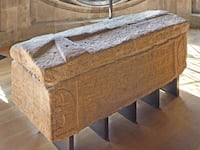
Dean & Chapter of Westminster
An archeologist says he has finally identified the skeleton found inside a Roman sarcophagus in the grounds of Westminster Abbey. The limestone coffin was registered to a wealthy man called Valerius Amandinus, the Guardian reports. Researchers first discovered it in 1820 and officially excavated it in 1869. Records suggested the bones had been lost, but when researchers removed the lid in a lab during a 2018 investigation, they found the skeleton still inside. Radiocarbon dating puts the remains in the late 10th or early 11th century. Prof. Warwick Rodwell, a consultant archeologist, writes in the Journal of the British archeological Association at the Abbey that he believes the man was likely a medieval abbot. According to Britannica, a medieval abbot was the head of a monastery, or abbey, in Western Europe, with authority over both its religious life and its practical affairs. A clue was carved into the reused lid: a large Anglo-Saxon cross. “Nobody of lower rank would have been buried in anything like that,” Rodwell said. He names two candidates, Ælfwig and Wulfnoth, and favors Ælfwig, who died around 1020 after about 27 years as abbot.
Register below to read this article for free or subscribe
to unlock unlimited access to The Daily Beast.
Monthly
$1
First month then $5.99/month
Annual
$35
First year then $59.99/year
Premium
$79
First year then $119.99/year
*Substack access provided by the next business day, using your subscription email. Choosing the Premium plan constitutes your permission to share your subscription email with Substack and your agreement to Substack’s Privacy Policy.
Already have an account? Sign In
Looks like you already have a subscription!
You're all set!
Thanks for subscribing.