New Study Reveals True Inspiration for Iconic Van Gogh Painting
The painting is among the most recognizable in art history.
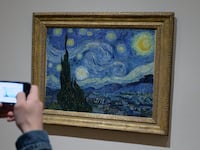
picture alliance/Felix Hörhager/picture alliance via Getty Images
Scientists may have matched Vincent van Gogh’s iconic “The Starry Night” to a specific celestial scene. Art historians long thought the painting depicted the sky in June 1889, when van Gogh was a patient at a psychiatric hospital in France’s Saint-Rémy-de-Provence, but new research challenges that date. A team of South Korean scientists says the painting actually shows a pre-dawn sky around July 22, 1889. Researchers traveled to France twice to analyze the sky in mid-June and late July. They also examined the moon’s shape and consulted historical weather records. “No two skies are the same. Something always changes,” lead researcher Elijah Jeong-hyun Kim told The Washington Post. “I believe Vincent noticed those changes and put them into the painting.” Still, some experts are more skeptical. Jose Luis Aragon, a physicist at the National Autonomous University of Mexico who has also studied the painting, told the Post that he views it as an “intriguing hypothesis rather than a settled answer.”
Register below to read this article for free or subscribe
to unlock unlimited access to The Daily Beast.
Monthly
$1
First month then $5.99/month
Annual
$35
First year then $59.99/year
Premium
$79
First year then $119.99/year
*Substack access provided by the next business day, using your subscription email. Choosing the Premium plan constitutes your permission to share your subscription email with Substack and your agreement to Substack’s Privacy Policy.
Already have an account? Sign In
Looks like you already have a subscription!
You're all set!
Thanks for subscribing.