Unlikely Origin of America’s Hardest-Working Band Revealed
And original Heartbreaker recalls near break-ups, the legend’s work ethic, and the shock of Tom Petty’s death.

Nearly a decade after Tom Petty’s shocking overdose death at 66, his fans are finally getting new insight into the origin story of his legendary band. To mark the 50th anniversary of the Heartbreakers’ debut album, a new box set, Origins 1971-1978, has arrived.
And sure, the new mixes of Petty and co.’s first two albums (Tom Petty and the Heartbreakers and You’re Gonna Get It!) are fun and sound great. And it’s a kick to hear the early recordings that span the early- to mid-1970s from Petty’s first band, Mudcrutch, and his aborted solo sessions with some of L.A.’s best players, before the Heartbreakers came into view.
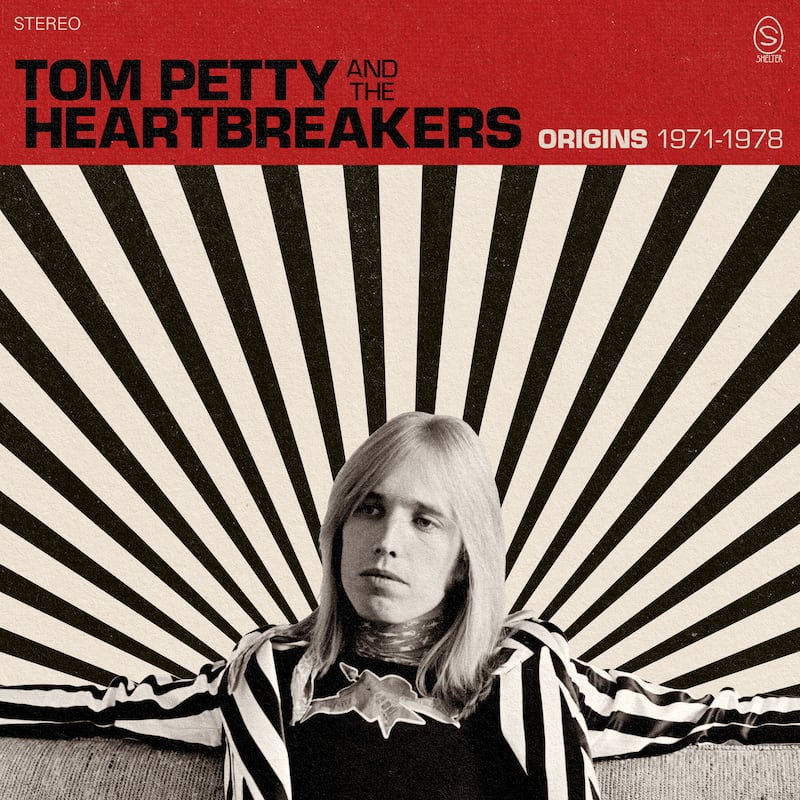
Tom Petty and the Heartbreakers — Origins 1971-1978
Universal Music Group
Still, like so many of the box sets that clutter all our shelves these days, it’s hard to imagine anyone save the most diehard follower of Petty’s career picking this box set to listen to over any of the other music he released in his lifetime.
But even if the material doesn’t match the high quality control Petty maintained throughout his career, it still offers invaluable insight into how long and how hard he and his fellow Heartbreakers worked before breaking through with “American Girl” and “Breakdown” in the late 1970s.
Now, Ron Blair, 78, the Heartbreakers’ original bassist—and the guy who came up with that haunting, low riff that draws you in at the beginning of “American Girl”—has spoken to the Daily Beast about the good, the bad, and the ugly—and why he wouldn’t change a thing. Below are highlights from the conversation.
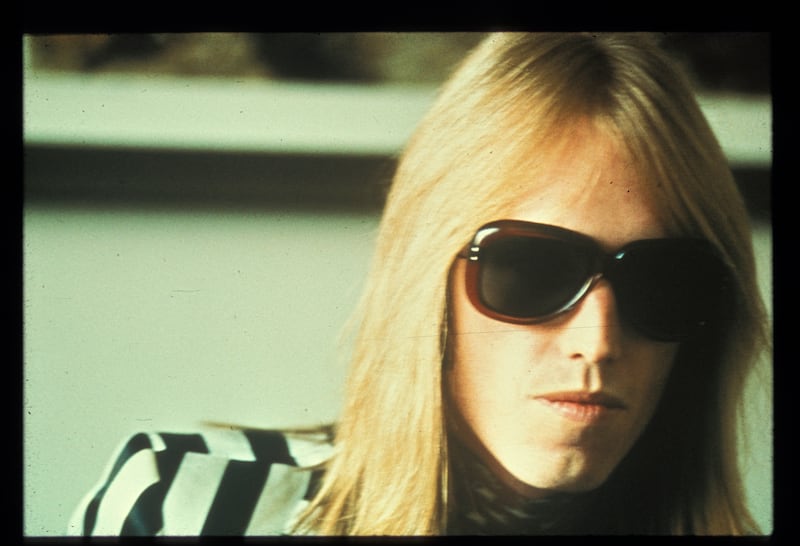
Tom Petty
ZOX
Petty recognized the Heartbreakers’ magic before the rest of the band did.
“I actually find the early stuff incredibly fascinating. I had no idea on Day 1, being at the sessions for Benmont Tench’s solo recordings, that Tom showed up and heard what was to become the Heartbreakers, how far they had traveled together already. Because Tom, as far as being an artist and a songwriter, was already fully formed. So, almost immediately, he tailored his writing and his singing to the sound we made as a band, which was incredible to see firsthand. Plus, everybody liked him and felt like he had what it took to get us someplace great.”
Petty’s songs may sound simple, but he worked incredibly hard at them.
“Tom told me about writing ‘The Waiting,’ and how he would just walk around the house playing that opening riff, singing along to it, until the song came along. And what’s so amazing to me is how that riff ends on an A chord, but then stays on that same chord for the verse. That’s clever. He had clever things and tasteful things pumping through him. He was privy to something. But he worked really hard at songwriting. I’d ask him, but he didn’t like to explain where they came from. He would say, ‘I received it.’ Like, I don’t want to have to explain it.”
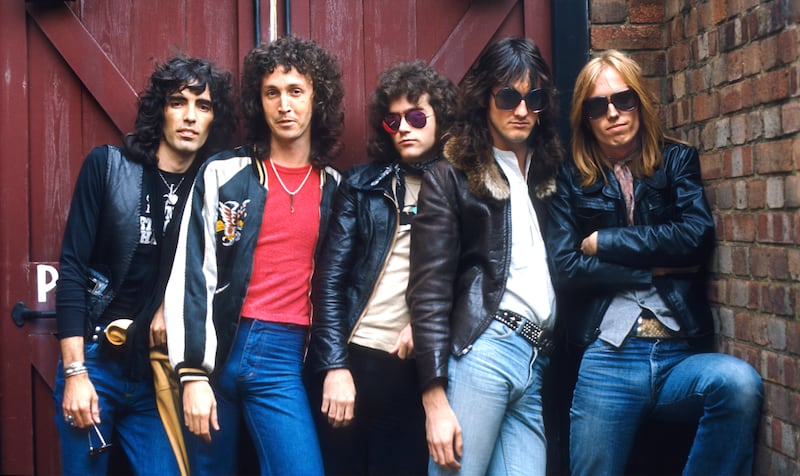
Tom Petty and the Heartbreakers
Adrian Boot
The Heartbreakers were a combustible mix of personalities that almost imploded multiple times.
“Somehow, we stayed together long enough so that the tree could bear fruit. But it was hard, and there were the inevitable clashes, especially between Tom and Stan (Lynch, the original Heartbreakers drummer). Being together so long—we had a five-year run with the original lineup—it could be a grind at times, but we managed to reinvent ourselves so many times and move on past any difficulties by doing that. It’s like a marriage, I guess, because you can really, really suffer, and then still find something that’s worth holding onto. Because, even when it was rough, every time we’d strike a note together, we all knew that’s why we did it. And that’s a unique thing. So, it’s both affirming and shocking to hear somebody tell me how important we are to them, or how good we were. Really, thank you. I’m happy that they feel that way, because it’s something we developed so naturally. It’s amazing to reach that point with a group of people playing music.”
Even the earliest Heartbreakers tracks on Origins sound and feel like the band we all know and love.
“At the point Tom came into my life, I was just trying to survive in Hollywood. I had moved out from Georgia. I hadn’t planned on staying, but then, the next thing I knew, I was staying. But it was rough. I’d moved into a little apartment near some dried-up lakes on the outskirts of town in the mountains. So, I was pretty desperate. And the rest of the guys were all in similar places, really struggling. At that first session for Benmont, I was just trying to play some halfway decent bass. The fact that Tom stayed there so long watching us kind of piqued my interest. Being in the studio can be kind of an unusual environment. But yeah, even though I didn’t realize what it meant that night, we sounded like the Heartbreakers right away. That’s what Tom heard.”
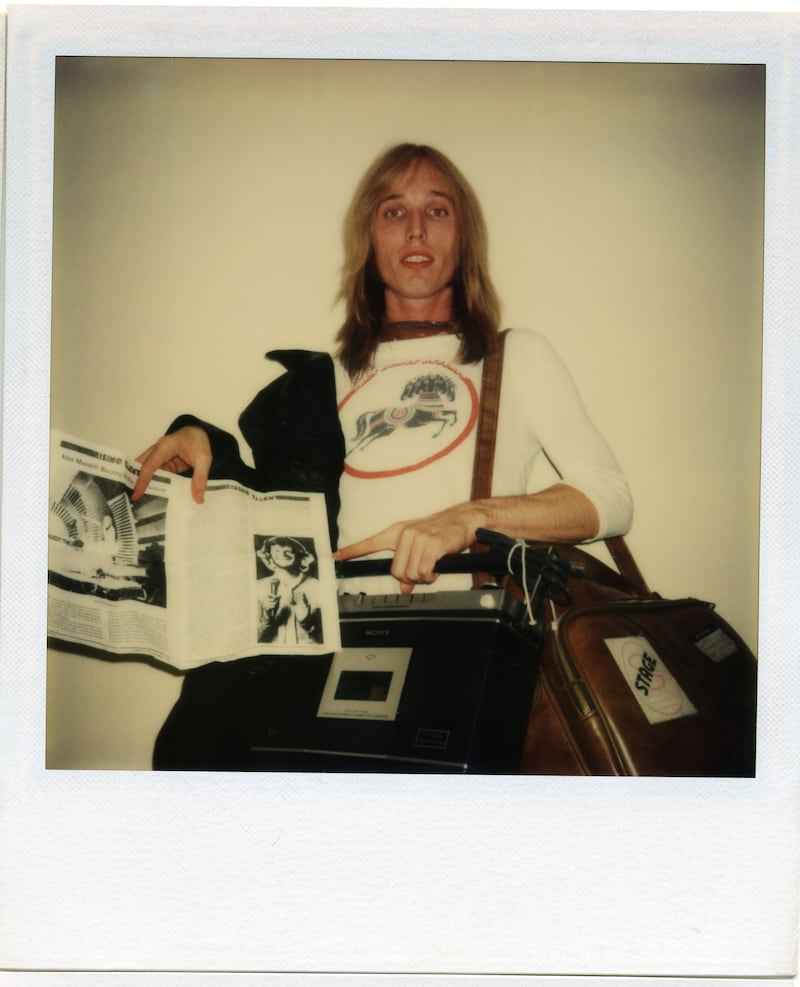
Tom Petty
Stan Lynch
If the Heartbreakers hadn’t broken in the U.K., they probably would have broken up.
“It’s like a biblical parable: go somewhere else to find what you’re looking for and come back home to appreciate it. I remember that we got off the plane in London and went to a hotel, and a Beatles documentary was playing on TV in the room. Tom and I used to room together back then, so we’re watching the Beatles documentary in the hotel room in London, and we just felt like we had arrived. I could see a change in Tom, almost right at that moment, too. You’ve got to have a direction. And it was like Tom saw it all in that moment. But without breaking in the U.K.—after getting nowhere in the States for what seemed like forever on the road—it’s hard to imagine we would have kept going.”
Petty’s death was a shock, and it made Blair even more grateful he rejoined the band in 2002.
“I would have had a totally incomplete life. I thought I would never get to play with them again after I left, but I wasn’t dealt that card. As luck would have it, I get to be grateful that I got back with Tom and I got to see his reinvention, because he was a much gentler Tom Petty compared to the old days. I feel bad for Stan (Lynch, who left the band in 1994), that he didn’t get to experience that. But we’ve talked about it. We both agree that, for all the good times and the good things, there’s this inherent pain threshold, you know, that we’ve had to endure, that just keeps on coming in different ways. So, we have to change our outlook and move on and not let those feelings bring us down. It’s tricky, talking about stuff from 40, 50 years ago, especially when one of the guys is gone, when really what you want to do is move forward. Because I feel like, in some ways, we’re in our prime. In our real prime.”
Obsessed with pop culture and entertainment? Follow us on Substack and YouTube for even more coverage.

Got a tip? Send it to The Daily Beast here.
Register below to read this article for free or subscribe
to unlock unlimited access to The Daily Beast.
Monthly
$1
First month then $5.99/month
Annual
$35
First year then $59.99/year
Premium
$79
First year then $119.99/year
*Substack access provided by the next business day, using your subscription email. Choosing the Premium plan constitutes your permission to share your subscription email with Substack and your agreement to Substack’s Privacy Policy.
Already have an account? Sign In
Looks like you already have a subscription!
- Account (completed)
- Payment (completed)
- Confirmation (completed)
You're all set!
Thanks for subscribing.
- 1Account
- 2Payment
- 3Confirmation
Sign in or create an account
Login dialog
Loading comments…