One Cake to Rule Them All: How Stollen Stole Our Hearts
A humble German fruit cake, which first emerged in the 14th century, became a formidable cultural and political force—and conquered the world.
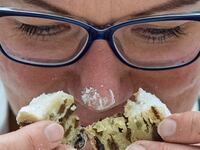
Jens Meyer/AP
Get the Beast Digest newsletter delivered straight to your inbox
By clicking “SIGN UP” you agree to our Terms of Use and Privacy Policy.
Stollen first appeared in 1329, in Naumburgh an der Saale (near Leipzig, Germany), and was solely composed of oats, water, flour, and rape seed oil (canola oil). Like Lent, the season of Advent was a period of reflection and fasting, and items such as dairy and sugar were forbidden. It was known as Christstollen (Christ cake), and is simply referred to as Stollen today.
It was not until 1400s when the Roman Catholic Church softened its Advent rules that Catholics both in Rome and elsewhere were allowed to use butter. The Butterbrief, issued by Pope Innocent VIII, was a turning point for the then bland Stollen, which gradually became sweeter. The tasteless bread was transformed into a sweet cake that included ingredients, such as dried fruit and marzipan.
See more of our coverage in your search results.

Got a tip? Send it to The Daily Beast here.
Register below to read this article for free or subscribe
to unlock unlimited access to The Daily Beast.
Monthly
$1
First month then $5.99/month
Annual
$35
First year then $59.99/year
Premium
$79
First year then $119.99/year
*Substack access provided by the next business day, using your subscription email. Choosing the Premium plan constitutes your permission to share your subscription email with Substack and your agreement to Substack’s Privacy Policy.
Already have an account? Sign In
Looks like you already have a subscription!
- Account (completed)
- Payment (completed)
- Confirmation (completed)
You're all set!
Thanks for subscribing.
- 1Account
- 2Payment
- 3Confirmation