Redefining Childhood Trauma
Tragedies are covered daily in the news, but the commonplace domestic abuse and neglect of our youngest citizens often go overlooked and unnoticed. That needs to change, writes Beth Finkestein.

Image Source/Getty
Get the Beast Digest newsletter delivered straight to your inbox
By clicking “SIGN UP” you agree to our Terms of Use and Privacy Policy.
Almost on a weekly basis, we sit, rapt at our television sets and our computer screens, horrified by images of children enduring inconceivable trauma. In May, we saw children pulled from the wreckage of tornado damage in Oklahoma. That same month, we watched the scene in Ohio as a 6-year-old girl was recovered from the home where she’d been held captive her entire life. And last year, we heard the stories of 20 children who were murdered in their elementary school in front of their classmates in Newtown, Connecticut.
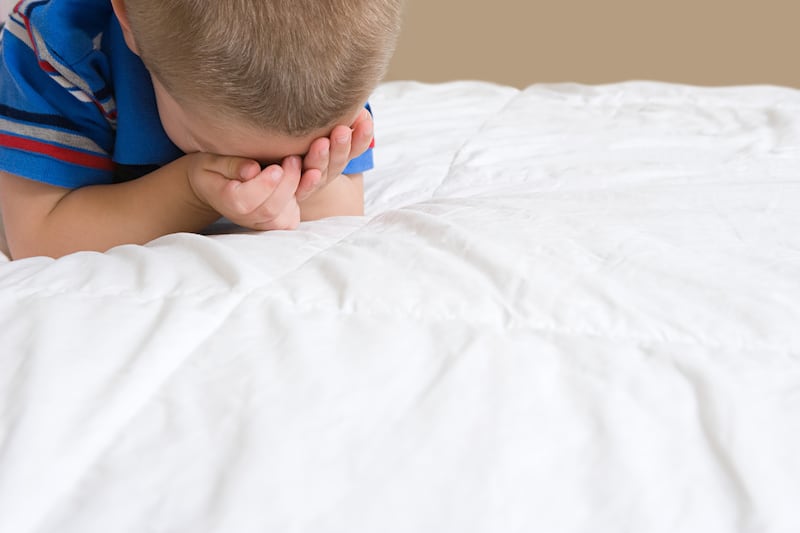
On these days, we hug our children a little closer. We shake our heads, and feel grateful for what we have, and mourn what others have lost.
What we do not think about are the countless children who experience trauma just as harrowing but far too common to make headlines. Every day, children across the country face physical and sexual abuse, domestic violence, community violence, loss of family members, poverty, and mental illness. Every year, 3 million cases of child abuse and neglect are reported in the U.S. Many, many more go unreported. These traumas can have devastating effects on children’s physical and mental health, and are linked to a wide range of problems such as addiction and other self-harming behaviors, including suicide. The long-term effects of childhood trauma, in fact, can ripple throughout society, well into the upper echelons and periphery. We are all affected.
As a society, we are largely unequipped to meet the needs of these children. National statistics state that of children who have been sexually abused and show a clinical need for therapy, only 35 percent receive any therapeutic services at all. And all too often, the professionals who work with our children every day—doctors, teachers, social workers, and those in the justice system—have limited training and resources with which to serve these traumatized children.
This week in New York City, The New York Center for Children (NYCC) will present The Impact of Trauma on Children and Families: Moving Toward Resilience through Trauma-Informed Care. This one-day conference will be attended by hundreds of professionals who will learn how best to confront the complex challenges and solutions for children facing trauma. We are just one organization, but we have seen the results: even a one-day conference can reach countless caregivers who have direct contact with children in need—children who, with a little intervention can avoid becoming just another homeless kid, suicide victim, or statistic. We need more outreach programs across the country to raise awareness about early intervention and to help our most helpless members of society.
The conference will prepare practitioners to best meet the needs of these most vulnerable children, from how to address mental health needs to how best to involve children in court proceedings without further traumatizing them. It is but one of the ways in which we as a center, and we as a society, can help raise awareness of everyday traumas and help minimize their long-term impact.
It’s so easy to feel hopeless in the face of tragedy, especially when children are concerned. Abuse, poverty, and violence can feel like insurmountable obstacles in our communities. Focusing our attention on the professionals on the front lines can increase their capacity to help the children affected by trauma. It can improve our ability to respond quickly to the needs of these most vulnerable citizens. It can help our society as a whole to raise healthy, productive citizens who are not branded for the rest of their lives as victims. It can help us all.
See more of our coverage in your search results.

Got a tip? Send it to The Daily Beast here.
Unlock a year of full access to The Daily Beast for $35.
Monthly
$1
First month then $5.99/month
Annual
$35
First year then $59.99/year
Premium
$79
First year then $119.99/year
*Substack access provided by the next business day, using your subscription email. Choosing the Premium plan constitutes your permission to share your subscription email with Substack and your agreement to Substack’s Privacy Policy.
Looks like you already have a subscription!
- Account (completed)
- Payment (completed)
- Confirmation (completed)
You're all set!
Thanks for subscribing.
- 1Account
- 2Payment
- 3Confirmation
Sign in or create an account
Register below to read this article for free or subscribe
to unlock unlimited access to The Daily Beast.
Monthly
$1
First month then $5.99/month
Annual
$35
First year then $59.99/year
Premium
$79
First year then $119.99/year
*Substack access provided by the next business day, using your subscription email. Choosing the Premium plan constitutes your permission to share your subscription email with Substack and your agreement to Substack’s Privacy Policy.
Already have an account? Sign In
Looks like you already have a subscription!
- Account (completed)
- Payment (completed)
- Confirmation (completed)
You're all set!
Thanks for subscribing.
- 1Account
- 2Payment
- 3Confirmation