Relics from Saudi Arabia's First Millennium Heyday
A new exhibit at San Francisco's Asian Art Museum presents artifacts from thousands of years ago when Saudi Arabia was at the crossroads of culture.
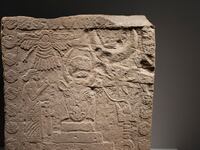
Department of Archaeology Museum
A new exhibit at San Francisco's Asian Art Museum presents artifacts from thousands of years ago when Saudi Arabia was at the center of a thriving incense trade that connected cities all over the region. Roads of Arabia: Archaeology and History of the Kingdom of Saudi Arabia is open through January 18 and takes a look at the role of the Arabian Peninsula in the early cultural development of the world.
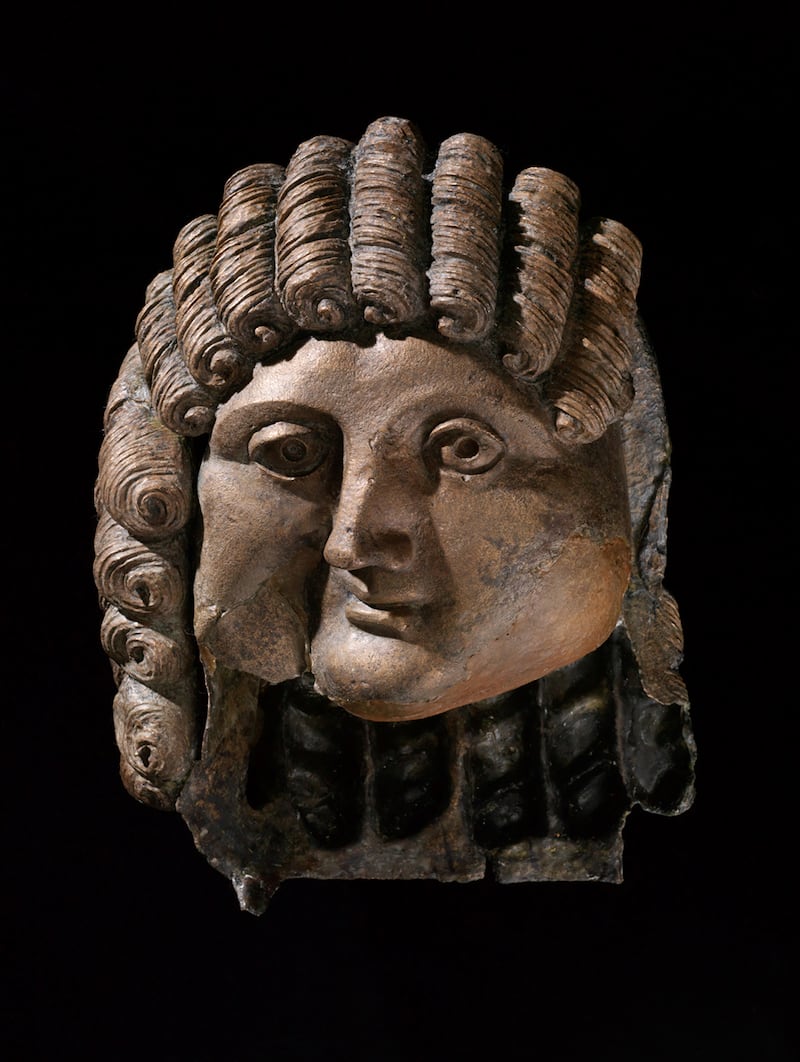
Head of a man, 100 BCE–200 CE. Saudi Arabia; Qaryat al-Faw site. Bronze. Courtesy of Department of Archaeology Museum, King Saud University, Riyadh, 119F13.
Department of Archaeology Museum
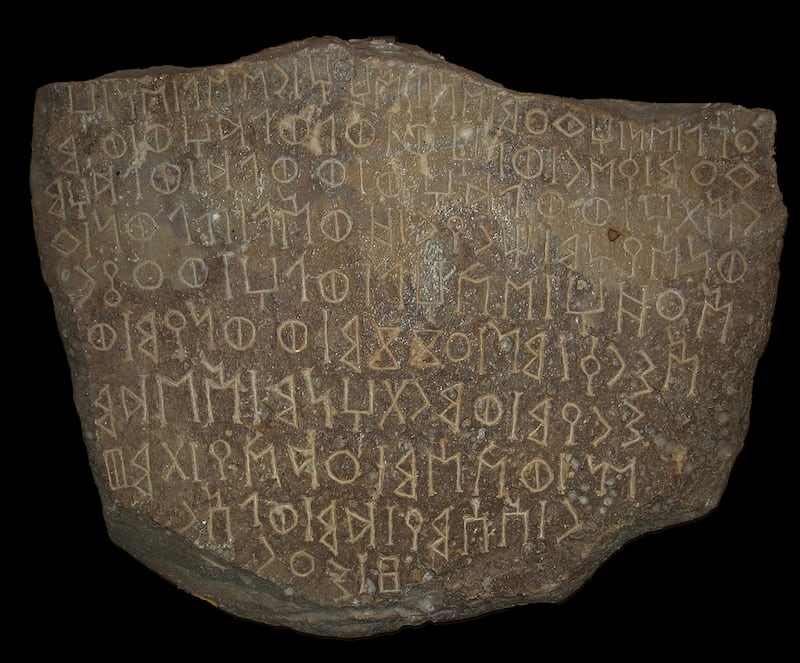
Funerary inscription in Old Arabic, late 1st millennium BCE. Saudi Arabia; Qaryat al-Faw site. Limestone. Courtesy of National Museum of Saudi Arabia, Riyadh, 887.
Department of Archaeology Museum
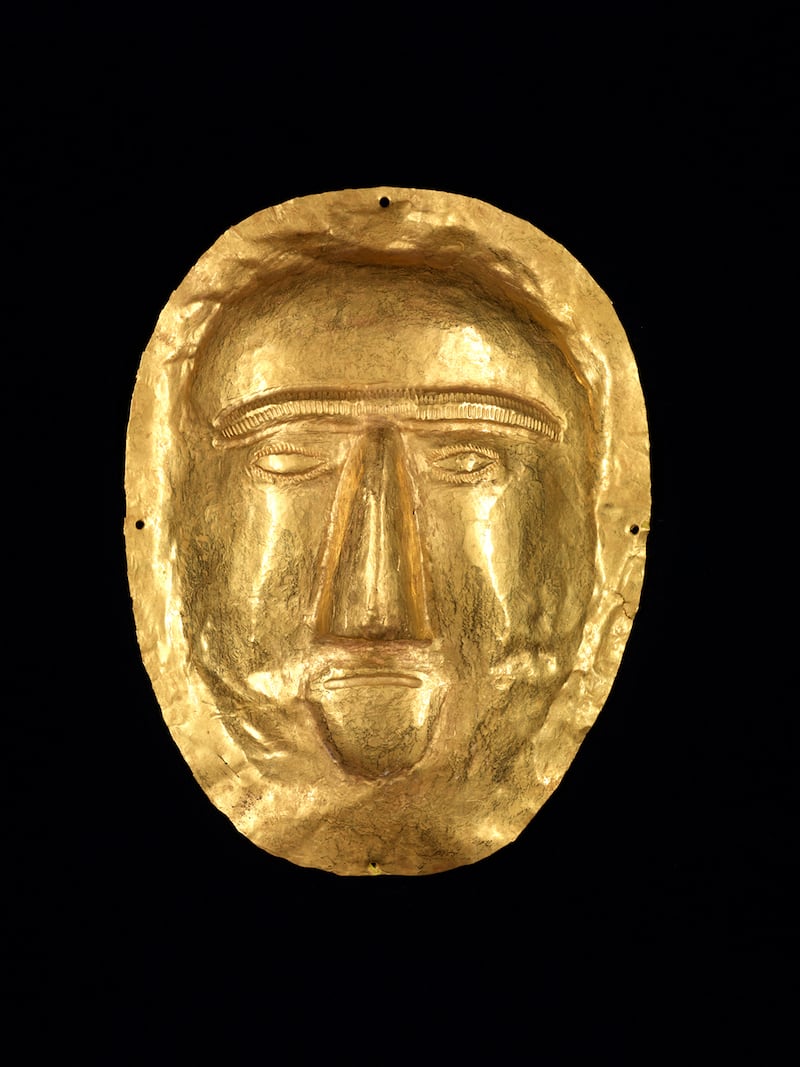
Funerary mask, 1st century CE. Saudi Arabia; Thaj city, Tell al-Zayer site. Gold. Courtesy of National Museum of Saudi Arabia, Riyadh, 2061.
Department of Archaeology Museum

Relief with a lion, 600–300 BCE. Saudi Arabia; Al-Ula site. Sandstone. Courtesy of Department of Archaeology Museum, King Saud University, Riyadh, 15D2.
Department of Archaeology Museum
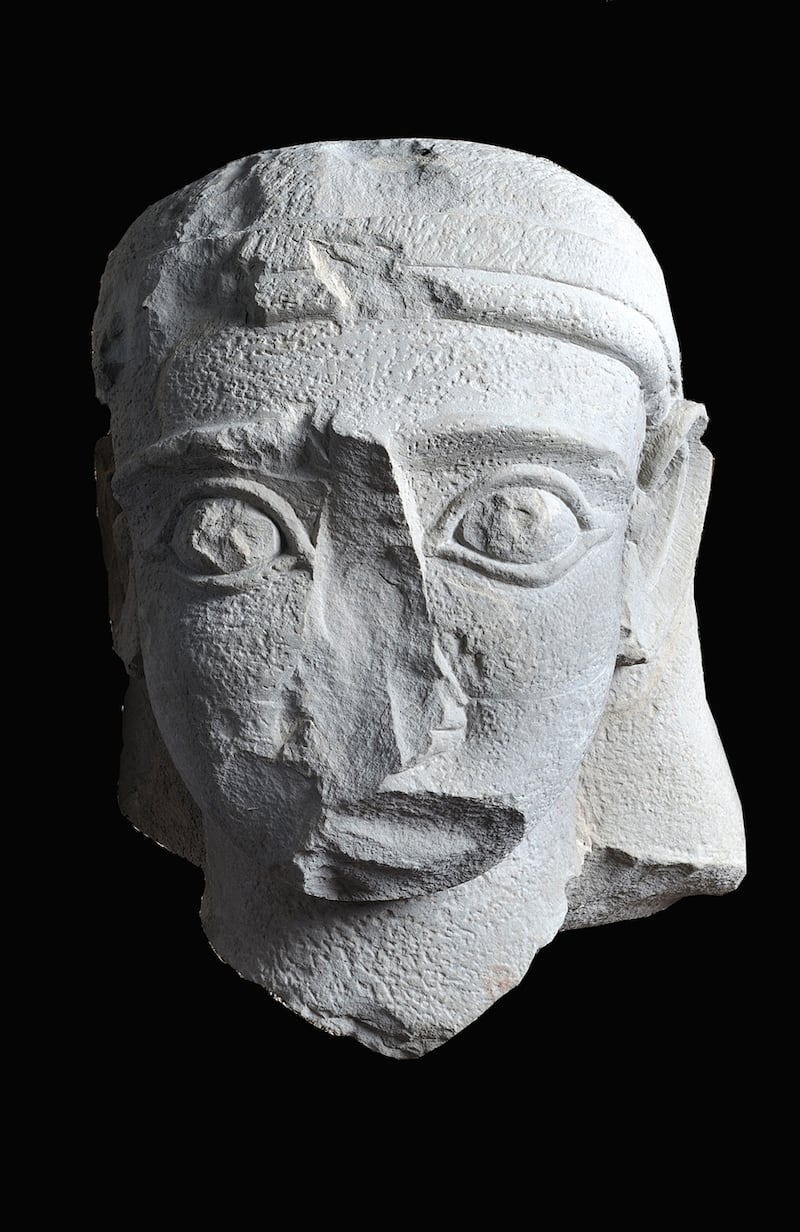
Head of a statue, 400–100 BCE. Saudi Arabia; Tayma city. Sandstone. Courtesy of Tayma Museum, 489.
Department of Archaeology Museum
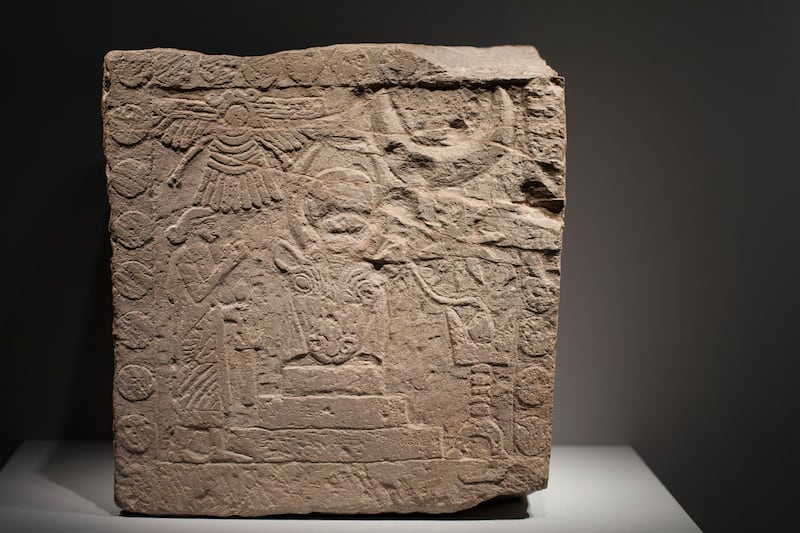
Pedestal or altar, 500–300 BCE. Saudi Arabia; Tayma city. Sandstone. Courtesy of National Museum of Saudi Arabia, Riyadh, 1021.
Department of Archaeology Museum

Jar, 600–800. Iraq. Earthenware painted with glaze. Department of Archaeology Museum, King Saud University, Riyadh, SN.
Department of Archaeology Museum
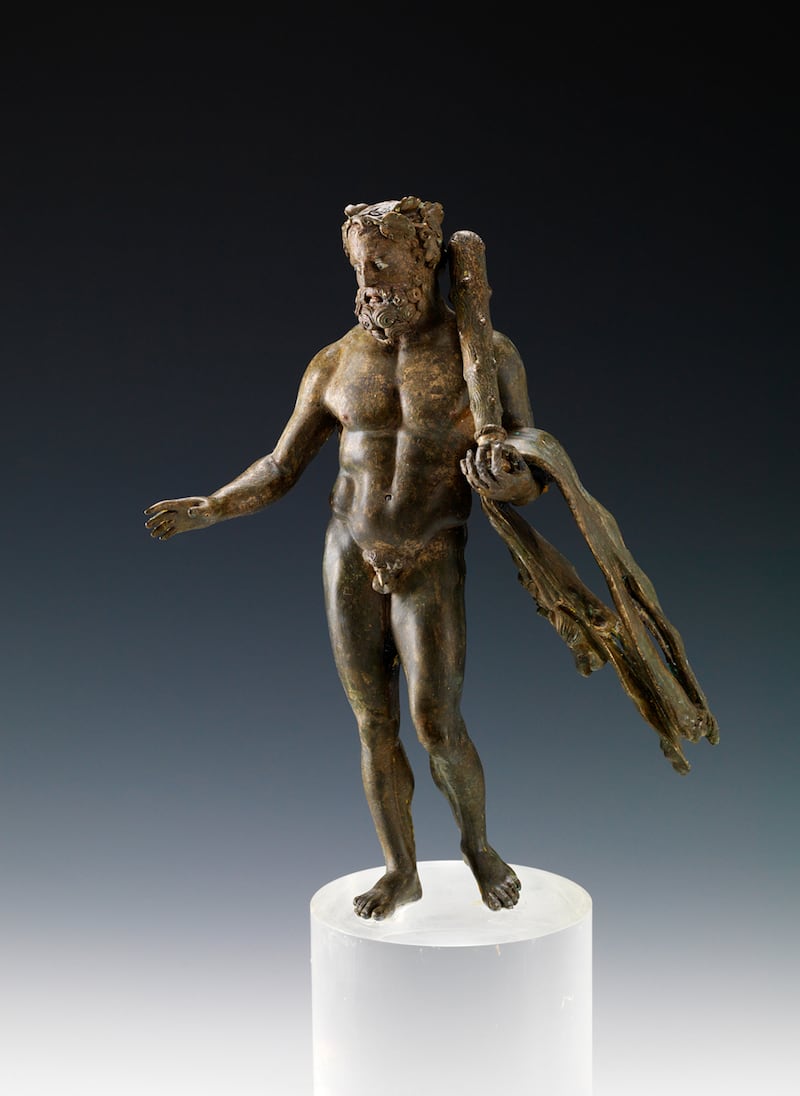
Statuette of Heracles, 1st–3rd century CE. Saudi Arabia; Qaryat al-Faw site. Bronze. Courtesy of Department of Archaeology Museum, King Saud University, Riyadh, 214F7.
Department of Archaeology Museum

Cylindrical vessel with palm tree, approx. 2250–2000 BCE. Saudi Arabia; Tarut island, al-Rufayah village. Chlorite. Courtesy of National Museum of Saudi Arabia, Riyadh, 3171.
Department of Archaeology Museum
See more of our coverage in your search results.

Got a tip? Send it to The Daily Beast here.
Register below to read this article for free or subscribe
to unlock unlimited access to The Daily Beast.
Monthly
$1
First month then $5.99/month
Annual
$35
First year then $59.99/year
Premium
$79
First year then $119.99/year
*Substack access provided by the next business day, using your subscription email. Choosing the Premium plan constitutes your permission to share your subscription email with Substack and your agreement to Substack’s Privacy Policy.
Already have an account? Sign In
Looks like you already have a subscription!
You're all set!
Thanks for subscribing.