The People Vs. the Bank of Walmart
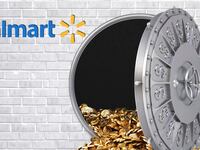
The giant retailer is realizing its dream of getting into the banking business, which should terrify populists of all stripes.
The Daily Beast
Get The Swamp newsletter delivered straight to your inbox
By clicking “SIGN UP” you agree to our Terms of Use and Privacy Policy.
Walmart is finally getting into the financial services industry. And how you feel about that may tell you everything you need to know about your politics.
Here’s the history: After fighting unsuccessfully to get a bank charter last decade, the biggest of big-box stores pivoted to a backdoor strategy, using partnerships with prepaid card issuers to offer bank-like services piecemeal.
Now, one such deal, with Green Dot, has enabled Walmart to offer its often low-income and downwardly-mobile customers a basic checking account, outfoxing the big banks that have tried but failed to figure out how to profitably enter that market.
Rest assured, it’s a gigantic one—around 10 million “unbanked” Americans and growing. Not only does Walmart think it’s sitting on a gold mine. It needs that added cash. After food stamp usage hit record-breaking numbers in 2013, Congress tried to pare back the benefit. Although a regulatory loophole allowed all but a few states to evade tighter eligibility requirements, the moves still hurt Walmart’s bottom line.
Get the picture? Walmart, a gigantic corporation with powerful lobbying interests, needs Americans on food stamps to spend their public assistance money in their stores. To lock them in as customers—and draw in more Americans who rely on government aid—Walmart wants to be their bank, too.
The political implications are clear—but the battle lines about to form are likely to defy party lines.
For traditional pro-business Republicans, this one’s a slam dunk. By “offering a service no one else has deigned to,” as the right-leaning commentator Walter Russell Mead put it, Walmart is proving itself to be “a force for good,” not the “very image of the evils of corporate America” that its enemies like to present.
Pro-bank conservatives face a predictable foe in the anti-corporate left. At The Wall Street Journal, James Taranto ridicules The Huffington Post for raising alarms about Walmart’s motives, despite the “great free-market success” that’s underway.
For pro-corporate Democrats, however, Walmart’s new business model fits right in with the Obama and Clinton agenda, wherein government benefits and subsidies expand at the bottom and the top of the economic pyramid. For a New Democrat, financial services profiting from people on social services is the ultimate in public-private partnerships.
As the master idea behind Obamacare has it, America’s least fortunate can only be saved from injustice by the combined efforts of big business and big government.
The anti-corruption wing of the party, represented by insurgent leftists like Zephyr Teachout, knows there’s something more than fishy about this arrangement. Tea Party conservatives, meanwhile, have been busily drawing the same conclusions.
Unlike the coastal populists of the old-school left, of course, heartland populists on the right see themselves reflected in Walmart’s customer base. But even more so, they identify themselves with the customers and proprietors of the small-town small businesses Walmart’s inexorable growth destroys.
Walmart’s expansion into banking makes the company more of a villain in this regard, not less. If there’s one financial institution a Tea Partier loves, it’s the independent local bank, with its strong balance sheet, modest reach, and its willingness to conduct business on the basis of personal trust, not Human Resources policies and corporate compliance.
In short, the new, informal Bank of Walmart augurs an unprecedented concentration and commingling of corporate, financial, and regulatory affairs. And it does so by pulling the whole banking system toward making a permanent revenue stream out of America’s dependent class.
For some, Republican or Democrat, that’s a pretty good thing on balance. For others in either party, it’s an unnerving indicator of America’s continued transformation into a country defined by the relationship between Big Elite and Big Underclass.
See more of our coverage in your search results.

Got a tip? Send it to The Daily Beast here.
Unlock a year of full access to The Daily Beast for $35.
Monthly
$1
First month then $5.99/month
Annual
$35
First year then $59.99/year
Premium
$79
First year then $119.99/year
*Substack access provided by the next business day, using your subscription email. Choosing the Premium plan constitutes your permission to share your subscription email with Substack and your agreement to Substack’s Privacy Policy.
Looks like you already have a subscription!
- Account (completed)
- Payment (completed)
- Confirmation (completed)
You're all set!
Thanks for subscribing.
- 1Account
- 2Payment
- 3Confirmation
Sign in or create an account
Register below to read this article for free or subscribe
to unlock unlimited access to The Daily Beast.
Monthly
$1
First month then $5.99/month
Annual
$35
First year then $59.99/year
Premium
$79
First year then $119.99/year
*Substack access provided by the next business day, using your subscription email. Choosing the Premium plan constitutes your permission to share your subscription email with Substack and your agreement to Substack’s Privacy Policy.
Already have an account? Sign In
Looks like you already have a subscription!
- Account (completed)
- Payment (completed)
- Confirmation (completed)
You're all set!
Thanks for subscribing.
- 1Account
- 2Payment
- 3Confirmation