The United States Wins Its War on ‘Murder Hornets’
“It is a rare day when the humans actually get to win one against the insects,” Washington state agriculture official Sven Spichiger said.
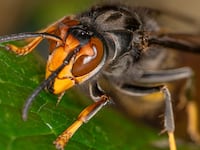
NurPhoto/NurPhoto via Getty Images
Five years after so-called “murder hornets” were first discovered in the United States, Washington state and federal officials announced that the invasive species has been eradicated from the country. “It is a rare day when the humans actually get to win one against the insects,” said Sven Spichiger, the pest program manager at the Washington State Department of Agriculture. The hornets became a cause for concern because of the threat they pose to other insects, including bees. Their stingers can also penetrate beekeeping suits, with one victim describing the sting “like having red-hot thumbtacks being driven into my flesh.” It’s unknown how murder hornets, officially known as northern giant hornets, first arrived in the Pacific northwest. Officials identified four nests along the Canadian border that the first hornets may have originated from. To eradicate the species, scientists placed tiny trackers on captured hornets to trace them back to their hives, then destroyed them with carbon dioxide and vacuums. Officials warn a re-emergence of the hornets is still possible, especially because they’re not sure how they arrived on the continent—but Wednesday’s news alleviates concerns that the hornets would become a nationwide problem.
Register below to read this article for free or subscribe
to unlock unlimited access to The Daily Beast.
Monthly
$1
First month then $5.99/month
Annual
$35
First year then $59.99/year
Premium
$79
First year then $119.99/year
*Substack access provided by the next business day, using your subscription email. Choosing the Premium plan constitutes your permission to share your subscription email with Substack and your agreement to Substack’s Privacy Policy.
Already have an account? Sign In
Looks like you already have a subscription!
You're all set!
Thanks for subscribing.