GLP-1 Jabs Linked to Scary Side Effect That’s Worse Than ‘Ozempic Face’
The condition is untreatable.

Kemal Yildirim/Getty Images
First there were fears of “Ozempic butt,” then of “Ozempic face.” But a newly discovered potential risk of popular weight loss drugs affects more than just the surface.
Glucagon-like peptide-1 receptor agonist medications, commonly known as GLP-1s, are a class of drugs used to assist with weight loss and type 2 diabetes. They are sold under brand names like Ozempic and Wegovy.
In September, various outlets reported that the popular drugs may cause vision loss after some patients sued the drug makers, claiming they lost their vision after getting on the drugs.
On Nov. 9, the Food and Drug administration announced it will require all GLP-1 medications to update their labeling to include a potentially heightened risk of a rare, untreatable eye condition.
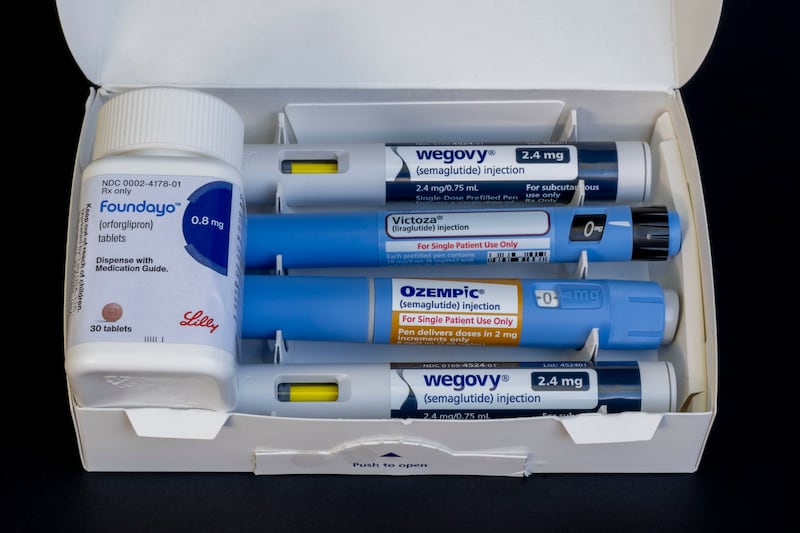
Popular GLP-1 medications like Ozempic and Wegovy now have to change their warning labels.
Michael Siluk/UCG/Universal Images Group via Getty Images
The condition, non-arteritic anterior ischemic optic neuropathy (NAION), can cause sudden, permanent vision loss, typically in one eye.
Often referred to as an “eye stroke,” it is caused by decreased blood flow to the eye. According to the American Academy of Ophthalmology, diabetes may increase the risk of NAION.

One GLP-1 patient who experienced NAION and sued a drug manufacturer is Diane Wirth, 66. She told NBC News about how she lost most of her vision in her right eye overnight.
Sign up to receive news and updates from The Looker
By clicking “Sign Up” you agree to our Terms of Use and Privacy Policy.
“I was fine when I went to bed, and I woke up, and the vision was gone,” she said. “There was no warning sign at all.”
The Georgian nurse practitioner had to retire early and told the outlet she can no longer read or drive.
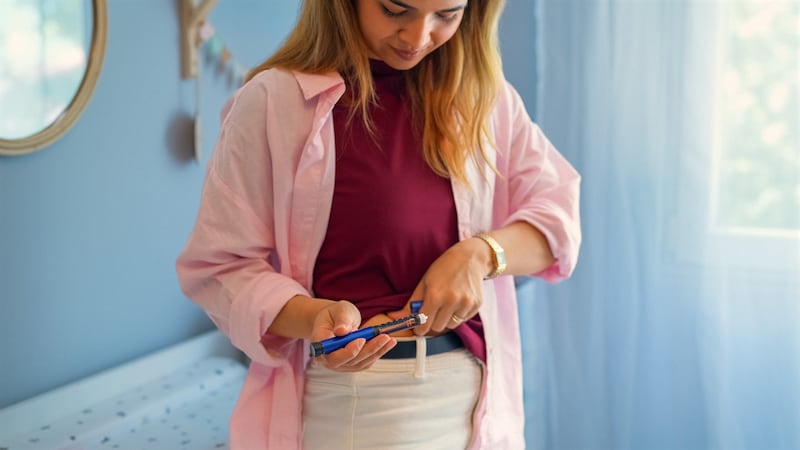
Some GLP-1 users have reported serious side effects, claiming they have experienced vision loss after starting the medications.
martin-dm/Getty Images
The biggest GLP-1 drug manufacturers, Novo Nordisk (Ozempic and Wegovy) and Eli Lilly and Company (Mounjaro and Zepbound), said they are monitoring the FDA changes.

“Novo continues to believe the data do not establish a cause-and-effect relationship and we remain confident in the benefit-risk profile of our GLP-1 medicines,” a spokesperson from Novo Nordisk said in a statement shared with The Daily Beast.
Adding, “We recognize that NAION can have a profound impact on patients and their families. Patient safety is a top priority for Novo, and we continue to monitor the safety of our medicines, review new research and work with health authorities around the world.”
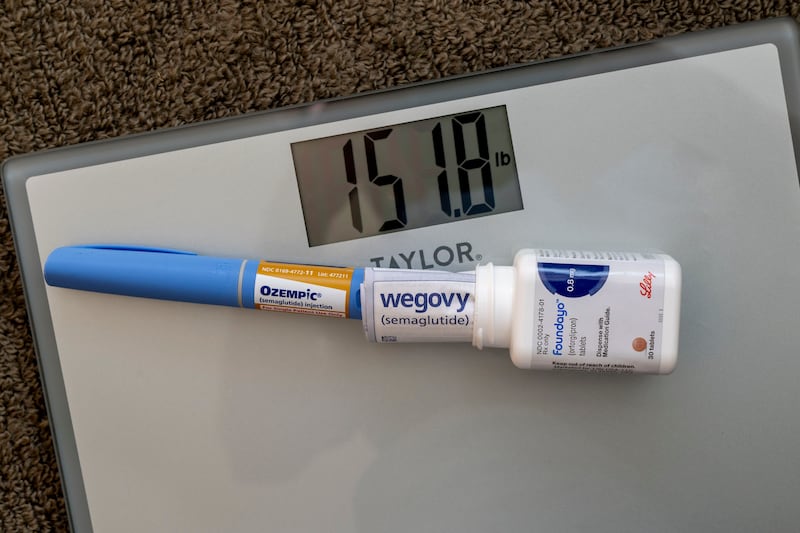
GLP-1 drugs have surged in popularity in the past decade.
UCG/UCG/Universal Images Group via G
“Patient safety is Lilly’s top priority,” an Eli Lilly spokesperson told The Daily Beast in a statement. “FDA’s drug safety communication applies to all medicines with GLP-1 RA activity and does not reference any findings specific to Lilly medicines. We are carefully evaluating the update and will respond to FDA promptly.”
Continuing, “As always, we will remain in close contact with the agency and continue to review all available data, including any data regarding ophthalmic events. If anyone is experiencing side effects when taking a Lilly medicine, they should talk to their doctor or other healthcare professional.”



Register below to read this article for free or subscribe
to unlock unlimited access to The Looker and The Daily Beast.
Monthly
$1
First month then $5.99/month
Annual
$35
First year then $59.99/year
Premium
$79
First year then $119.99/year
*Substack access provided by the next business day, using your subscription email. Choosing the Premium plan constitutes your permission to share your subscription email with Substack and your agreement to Substack’s Privacy Policy.
Already have an account? Sign In
Looks like you already have a subscription!
- Account (completed)
- Payment (completed)
- Confirmation (completed)
You're all set!
Thanks for subscribing.
- 1Account
- 2Payment
- 3Confirmation
Sign in or create an account
Login dialog
Loading comments…