Scientists Reveal the Mona Lisa’s Secret Health Battle
Even the model of a world-famous masterpiece has her struggles.

Public Domain
Art and health experts have revealed that one of the world’s most famous faces may hold clues to a secret health struggle.
Italian dermatologist Dr. Luigi Laino suggests that the subject of Leonardo Da Vinci’s “Mona Lisa” masterpiece, Lisa del Giocondo—the child bride of a wealthy Florentine merchant—may have struggled with chronic hair loss, as signaled by the model’s unique features.
“I propose that the most contemplated face in the history of art be recognized for what, clinically, it has always shown: a young woman with alopecia areata,” he wrote in an August study published in Clinics in Dermatology.
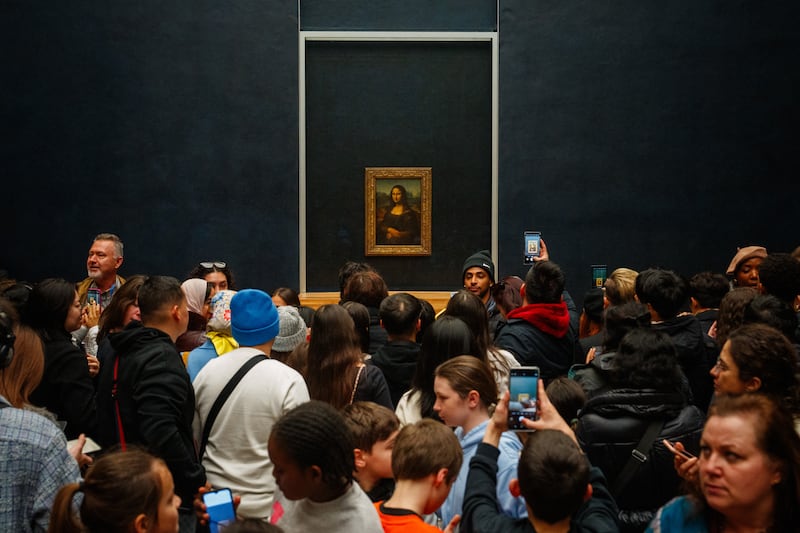
The Mona Lisa by Italian artist Leonardo Da Vinci is on view at the Louvre Museum in Paris on January 23, 2025.
DIMITAR DILKOFF/Dimitar Dilkoff/AFP via Getty Images
According to Cleveland Clinic, alopecia areata is an autoimmune disease that commonly causes spotty hair loss on the scalp.
The disorder is the second-most common form of hair loss, affecting nearly 7 million people in the U.S., including A Different World actress Jada Pinkett Smith, Barry actor Anthony Carrigan, and Fences actress Viola Davis.

Actress Jada Pinkett Smith's hair loss is caused by alopecia areata.
Daniele Venturelli/WireImage
Laino, who specializes in hair and scalp science, said four clues in Da Vinci’s iconic painting point to the issue: her lack of eyebrows, missing eyelashes, an unnatural, doll-like hairline, and blemish-free skin.
Sign up to receive news and updates from The Looker
By clicking “Sign Up” you agree to our Terms of Use and Privacy Policy.
“Of all available explanations, only alopecia areata universalis accounts for all four,” he said, adding that minimal eyebrow hair found with multispectral imaging in 2007 further supports the theory.

Alopecia areata is an autoimmune disease and the second-most common form of hair loss, according to Cleveland Clinic.
nedza/getty
The dermatologist also suggested that del Gioconodo’s “biographic stressors,” including living through plague and political unrest while transitioning into marriage and motherhood, are consistent with early-onset patterns of extensive alopecia areata.
The 16th-century noblewoman married in 1495 at age 15 and gave birth to six children—two of whom died as infants—over the next decade.
Despite art historians’ caution, Scientists have tried to diagnose the icon’s alluring visage for decades.
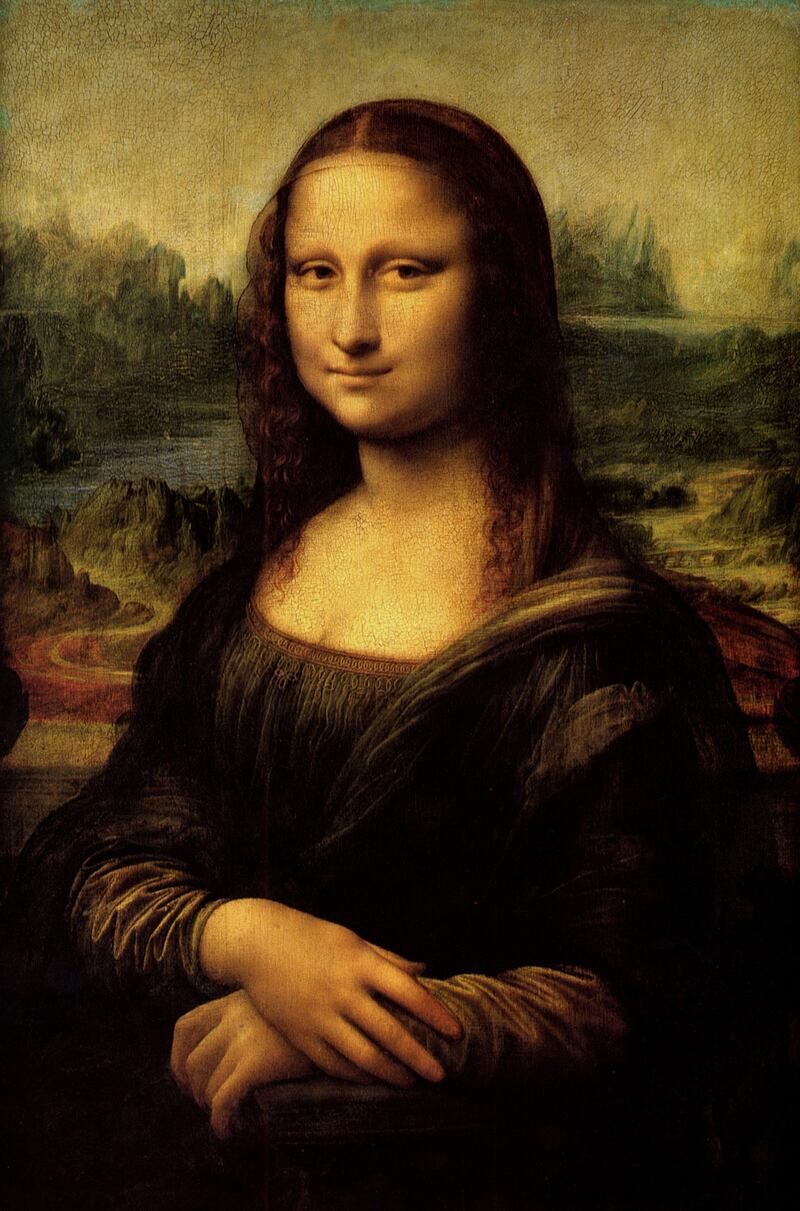
The Mona Lisa is one of the most contemplated faces in art history. The painting by Leonardo da Vinci is on view at the Louvre Museum in Paris.
Universal History Archive/Getty
In 2018, Dr. Mandeep Mehra, who specializes in cardiovascular medicine, proposed that her yellowish skin, thin hair, and eerie smile, along with a bump between her nose and eye and fleshy bulges on her neck, could be symptoms of post-pregnancy hypothyroidism.

According to Johns Hopkins Medicine, the condition happens when a woman’s thyroid becomes inflamed and overactive after having a baby.
High cholesterol, facial nerve damage, and tooth loss have also been suggested as possible medical conditions of the portrait’s subject.


Register below to read this article for free or subscribe
to unlock unlimited access to The Looker and The Daily Beast.
Monthly
$1
First month then $5.99/month
Annual
$35
First year then $59.99/year
Premium
$79
First year then $119.99/year
*Substack access provided by the next business day, using your subscription email. Choosing the Premium plan constitutes your permission to share your subscription email with Substack and your agreement to Substack’s Privacy Policy.
Already have an account? Sign In
Looks like you already have a subscription!
You're all set!
Thanks for subscribing.
Sign in or create an account
Login dialog
Loading comments…