Incredibly Rare Oscars Tie Stuns Multiple Winners
Congratulating both sets of winners, host Conan O’Brien joked, “You just ruined 22 million Oscar pools.”

For just the seventh time in history, there was a tie at the Academy Awards.
In a stunning turn of events, the Best Live-Action Short category resulted in a tie. Comedian and Oscar nominee Kumail Nanjiani presented the award to both The Singers and Two People Exchanging Saliva.
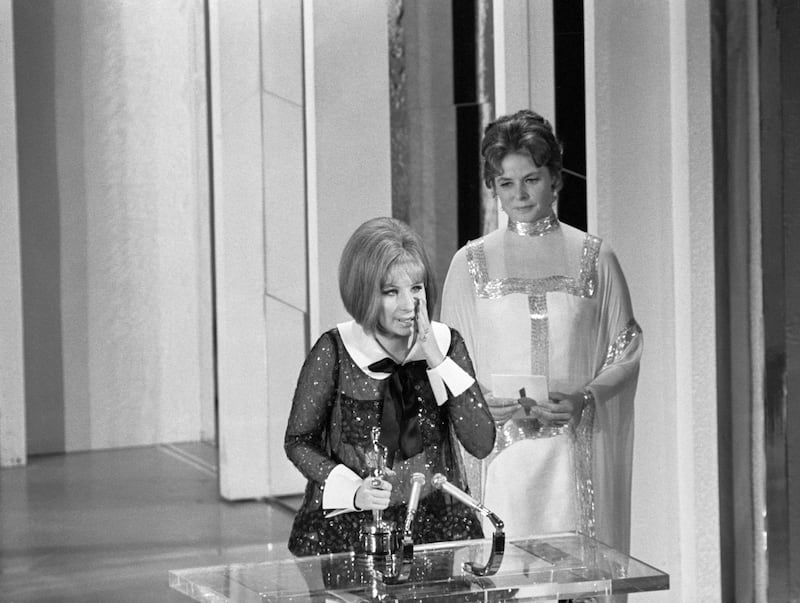
Streisand and Hepburn shared the Best Actress Oscar in 1969. It was just the third time an Oscar resulted in a tie.
Bettmann/Bettmann Archive
“It’s a tie, I’m not joking. It’s actually a tie,” a shocked Nanjiani, 47, said after opening the winning envelope.
Sunday night’s tie is the first in over a decade. The last time an Oscar went to co-winners was in 2013, when Zero Dark Thirty and Skyfall both won for Best Sound Editing. It is the second such occurrence for the Live-Action Short category.
“Everyone, calm down. We’re gonna get through this. Calm down! Remain calm!” Nanjiani joked.
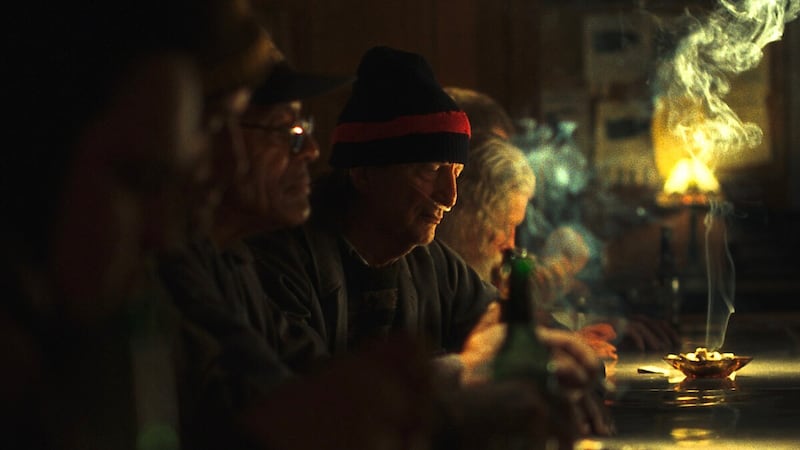
Nanjiani announced "The Singers" as the first winner.
Courtesy Netflix
He announced The Singers as the first winner, allowing their team to give a speech before announcing the next winner, Two People Exchanging Saliva.
Get the best of Obsessed delivered right to your inbox
By clicking “SUBSCRIBE” you agree to our Terms of Use and Privacy Policy.
“I didn’t know that was a thing, the tie,” The Singers’ director Sam Davis said in his acceptance speech.
The two speeches ran so long that the microphone began retracting midway through the second.
Since the Academy Awards began in 1929, a tie has occurred only six other times.
The first was in 1932, when the Best Actor award was given to both Fredrich March for Dr. Jekyll and Mr. Hyde and Wallace Beery for The Champ. March actually earned one more vote than Beery, but according to the Academy’s rules at the time, any nominee within three votes of the winner would also receive the award. The rules have since changed to account for exact vote tallies.
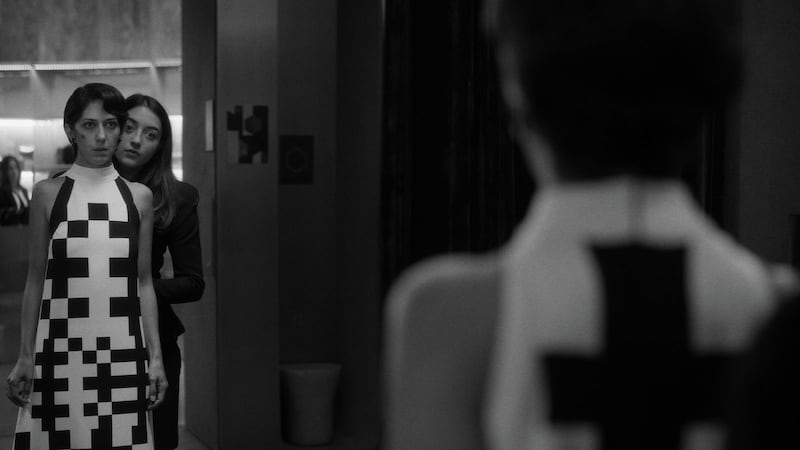
"Two Strangers Exchanging Saliva" was one of two winners Sunday night.
Courtesy The New Yorker
In 1949, A Chance to Live and So Much for So Little shared the Documentary Short award. Nearly two decades later, Katharine Hepburn and Barbra Streisand shared the Best Actress award for The Lion in Winter and Funny Girl, respectively.
At the 59th ceremony in 1986, the Best Documentary Feature was handed to both Artie Shaw: Time Is All You’ve Got and Down and Out in America.
Sunday’s win is the second tie in the Live-Action Short category, the first going to Franz Kafka’s It’s a Wonderful Life and Trevor in 1994.
Obsessed with pop culture and entertainment? Follow us on Substack and YouTube for even more coverage.

Got a tip? Send it to The Daily Beast here.
Register below to read this article for free or subscribe
to unlock unlimited access to The Daily Beast.
Monthly
$1
First month then $5.99/month
Annual
$35
First year then $59.99/year
Premium
$79
First year then $119.99/year
*Substack access provided by the next business day, using your subscription email. Choosing the Premium plan constitutes your permission to share your subscription email with Substack and your agreement to Substack’s Privacy Policy.
Already have an account? Sign In
Looks like you already have a subscription!
You're all set!
Thanks for subscribing.
Sign in or create an account
Login dialog
Loading comments…