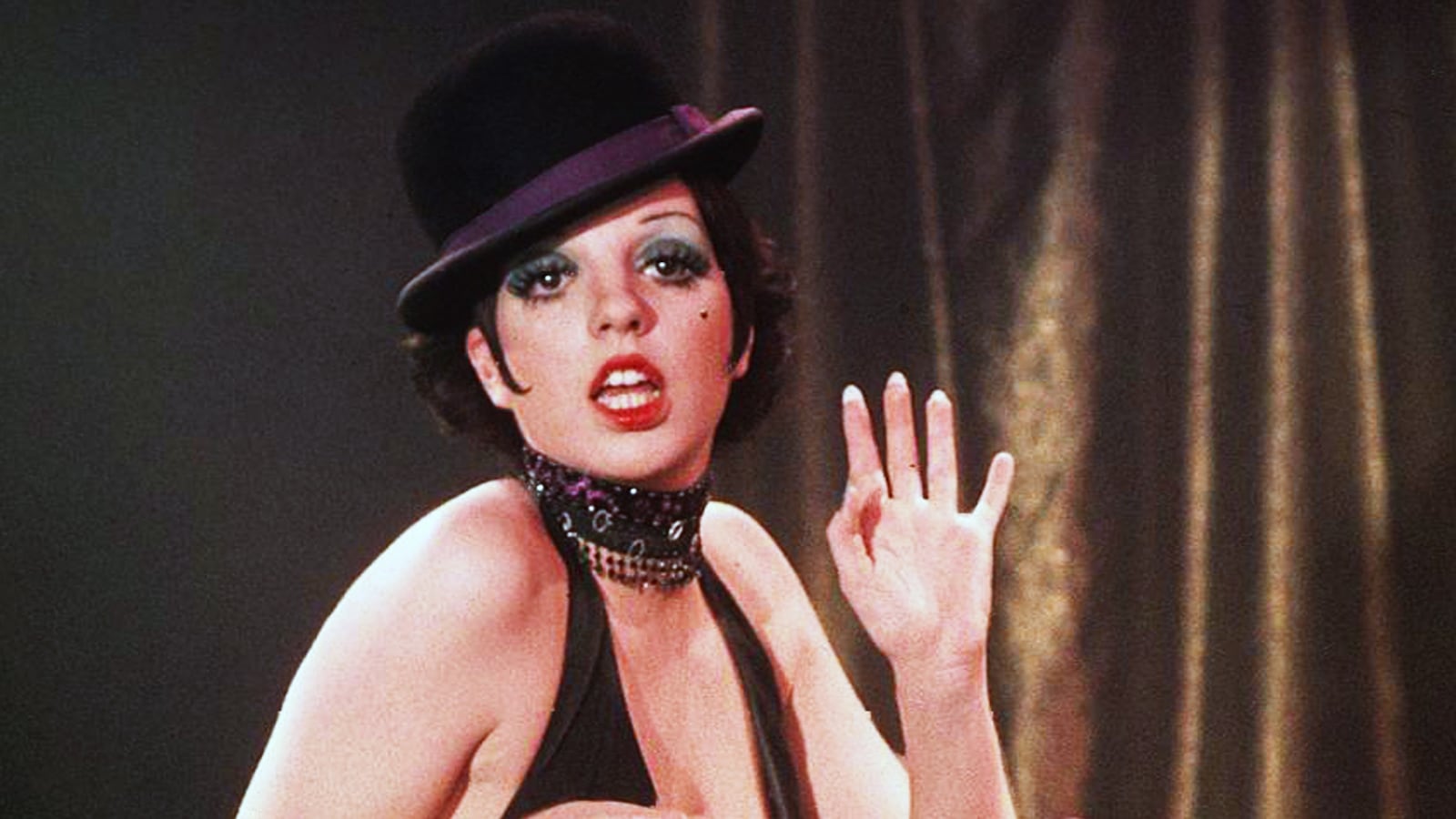
After 13 years, Liza Minnelli is back, this time with the help of AI.
The singer, known for her award-winning performance in Cabaret, debuted a new song for the first time since 2013.
In a partnership with ElevenLabs, Minnelli, 79, released a new EDM single, “Kids Wait Till You Hear This”—a preview of her upcoming memoir of the same title. The song features Minnelli’s vocal ad-libs over an AI-generated electronic dance arrangement.
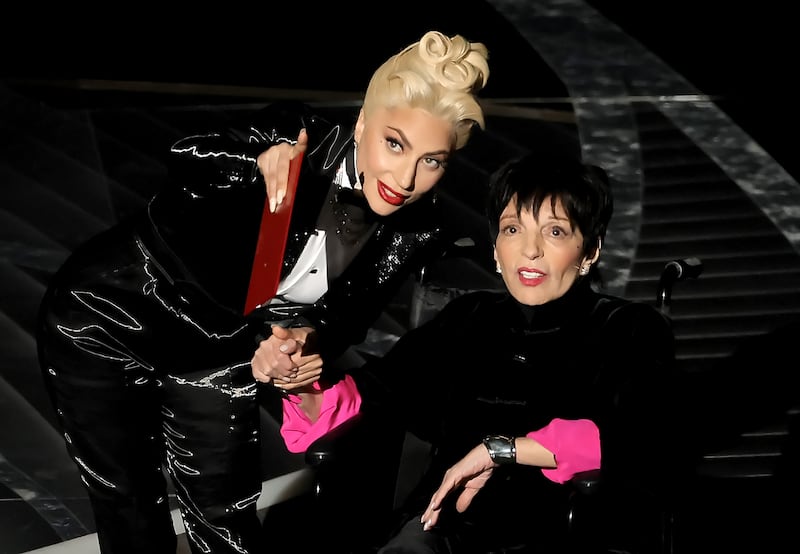
In a statement, the daughter of Hollywood icon Judy Garland said that she is “happy as a clam” about her newest work since writing an original song for the TV show Smash.
“Hi Kids, I’m happy as a clam, laughing like hell and losing my mind! It’s all goin’ on at the time,” Minnelli said on Facebook.
Minnelli claims that no AI was used to enhance or replicate her signature vocals.
“What I will not allow this great company to do? Create, clone or copy my voice!” Minnelli said in her statement. For the track, Minnelli says the AI developer “used AI arrangements. Not AI vocals.”
“A few trolls didn’t bother to read the truth, check with me or my partners. The shout outs are all mine!” Minnelli continued.
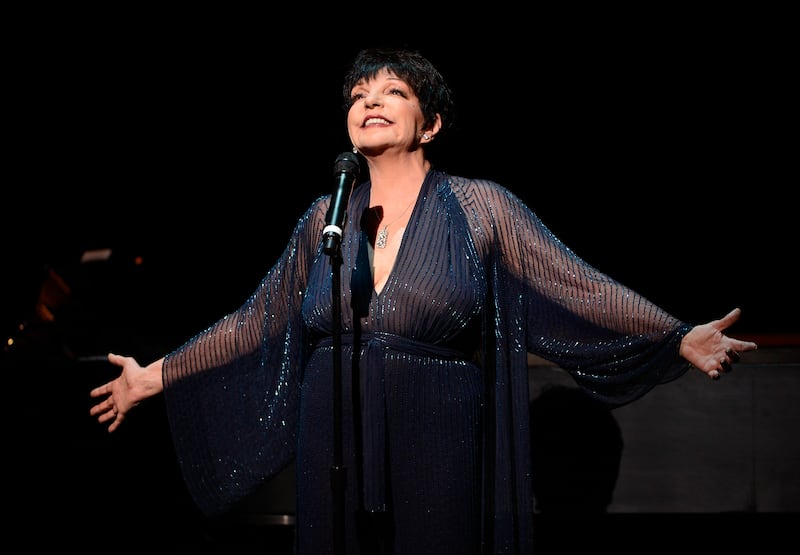
Minnelli’s song is among 11 released by the AI developer for its Eleven Album—also featuring music by Art Garfunkel. ElevenLabs, according to Minnelli, is a “Six Billion Dollar techno behemoth” that “does amazing things.”
“Matthew McConaughey was an early investor,” she added.
Garfunkel’s song, “Authorship,” features excerpts from his own memoir, What Is It All But Luminous, overlayed on an AI piano backing.
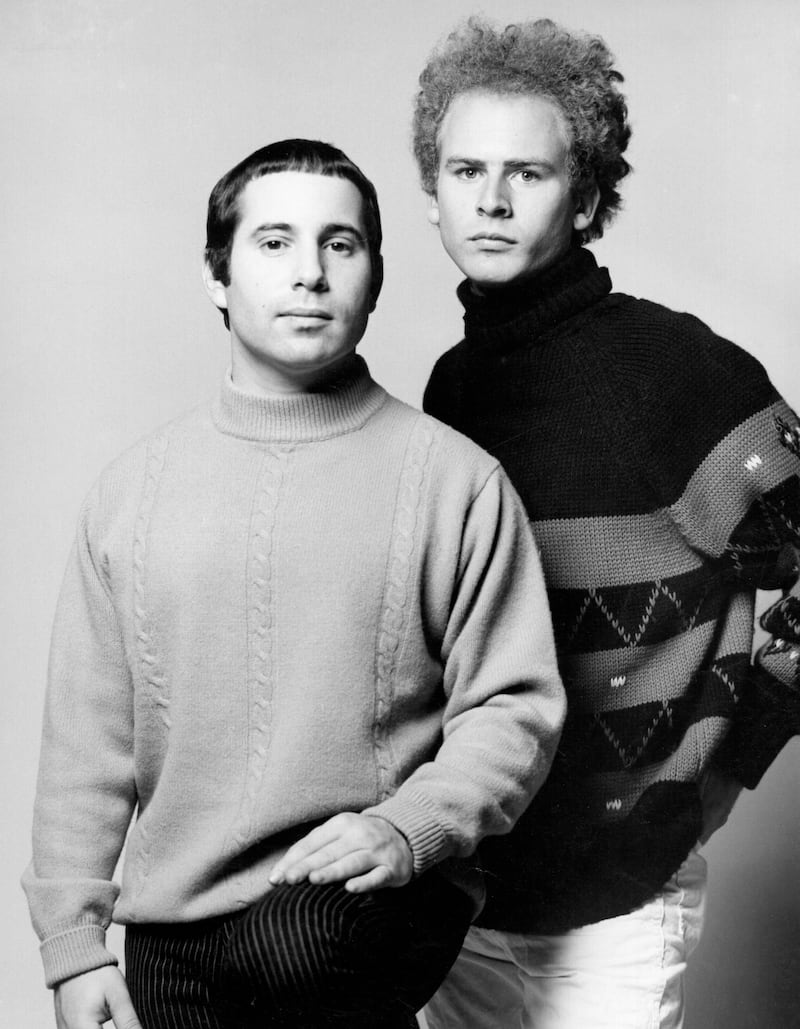
The latter half of the ‘60s duo, Simon and Garfunkel, expressed optimism about the potential of singers to make use of AI technologies.
“Music has always evolved alongside technology, from microphones to multitrack recording,” Garfunkel, 84, said. “What impressed me about this experience was the respect for musicianship. The human remains at the centre. My voice plus the technology simply opens another door.”
ElevenLabs has also formed partnerships with actors, like Matthew McConoghey and Sir Michael Caine, to use their voices.
The album’s release comes amid widespread anti-AI sentiment in the creative arts industries. Spotify recently removed over 75 million AI-generated songs from its library. In the film industry, over 700 actors, writers, and creators signed a letter opposing AI companies that infringe on copyrighted material.
Two years ago, a similar letter was signed by Stevie Wonder, Jon Bon Jovi, Billie Eilish, and more than 200 other musicians.
“This assault on human creativity must be stopped,” the musicians stated in the letter. “We must protect against the predatory use of AI to steal professional artists’ voices and likenesses, violate creators’ rights, and destroy the music ecosystem.”