
Oprah Winfrey has spent decades being judged for her weight—but she’s done being shaped by it.
In a candid new interview with People, the 71-year-old media mogul reflected on the intense scrutiny she faced at the height of early-2000s diet culture, including pressure from fashion’s most powerful gatekeepers. Winfrey confirmed that Vogue editor-in-chief Anna Wintour, 76, encouraged her to lose weight before appearing on the magazine’s cover in 1998.

Wintour first described the exchange during a 60 Minutes interview as a “gentle suggestion,” recalling a visit with Winfrey in Chicago. She went on to suggest Winfrey should “lose a little bit of weight,” to feel more comfortable for the cover.
Winfrey did just that, shedding roughly 20 pounds through what Wintour characterized as a “stringent diet,” adding that Winfrey “was a trooper.”
The 1998 cover—bluntly headlined “Oprah! A Major Movie, An Amazing Makeover”—was later praised by Wintour as “one of our most successful covers ever,” a reminder that Winfrey’s pressured weight loss was central to the magazine cover’s success.
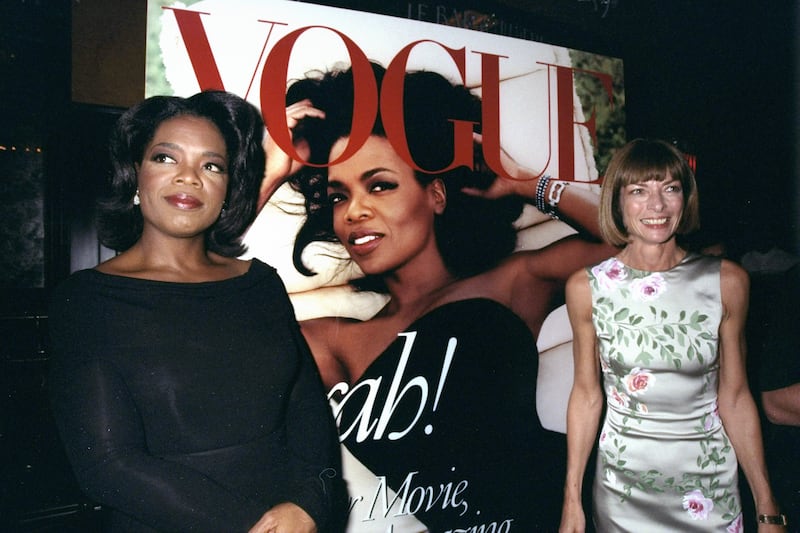
Looking back now, Winfrey says the moment reflects how deeply entrenched toxic diet culture was—not just in fashion, but everywhere.
“I was just doing what the rest of the world was doing,” she told People, acknowledging that she both absorbed and perpetuated harmful ideas about weight and self-worth.
For years, Winfrey cycled through intense diets and exercise regimens, only to see her weight climb back to around 211 pounds—a number she says her body repeatedly returned to despite her efforts.
She said it was as if her body was telling her, “We’re trying to get back to that 211, girl,” no matter what she did to shed the extra pounds.
Winfrey said she tried, at times, to make peace with being overweight. Still, societal messaging made that nearly impossible, since “everything in my life, in the culture, in society, in my brain, was telling me the opposite.”
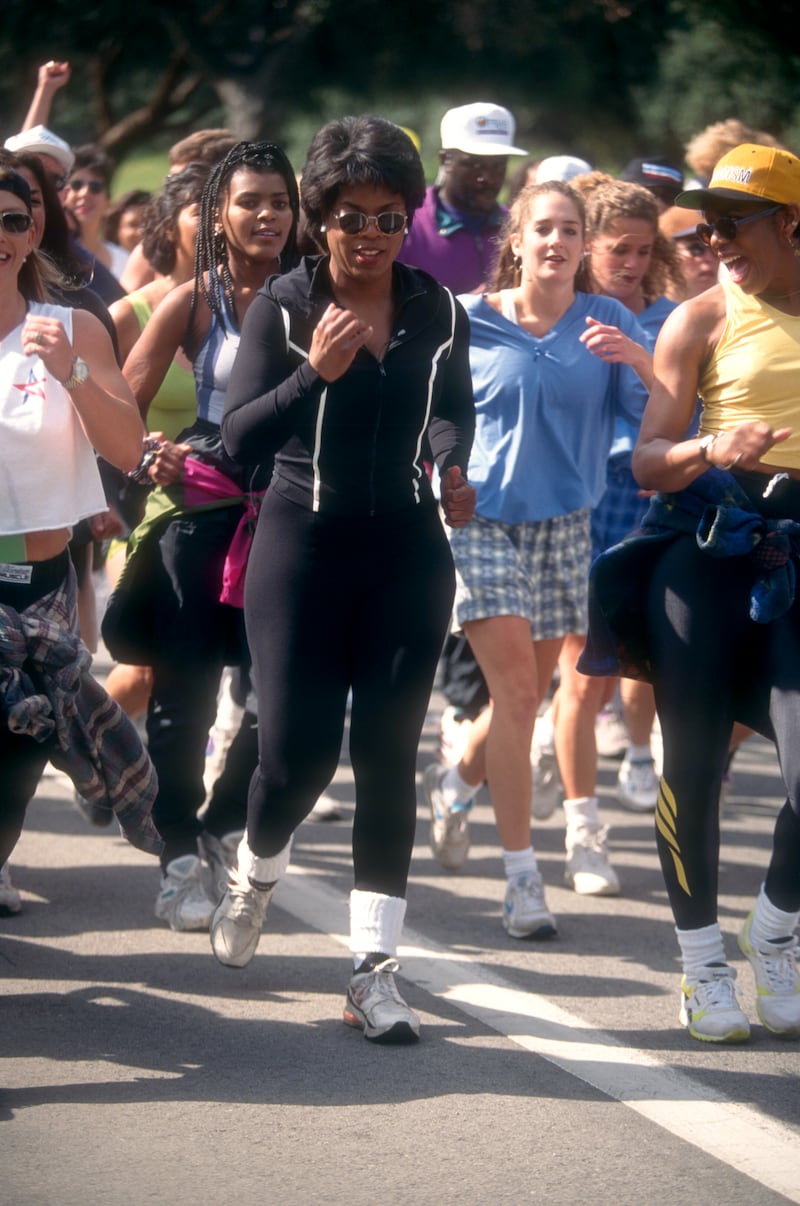
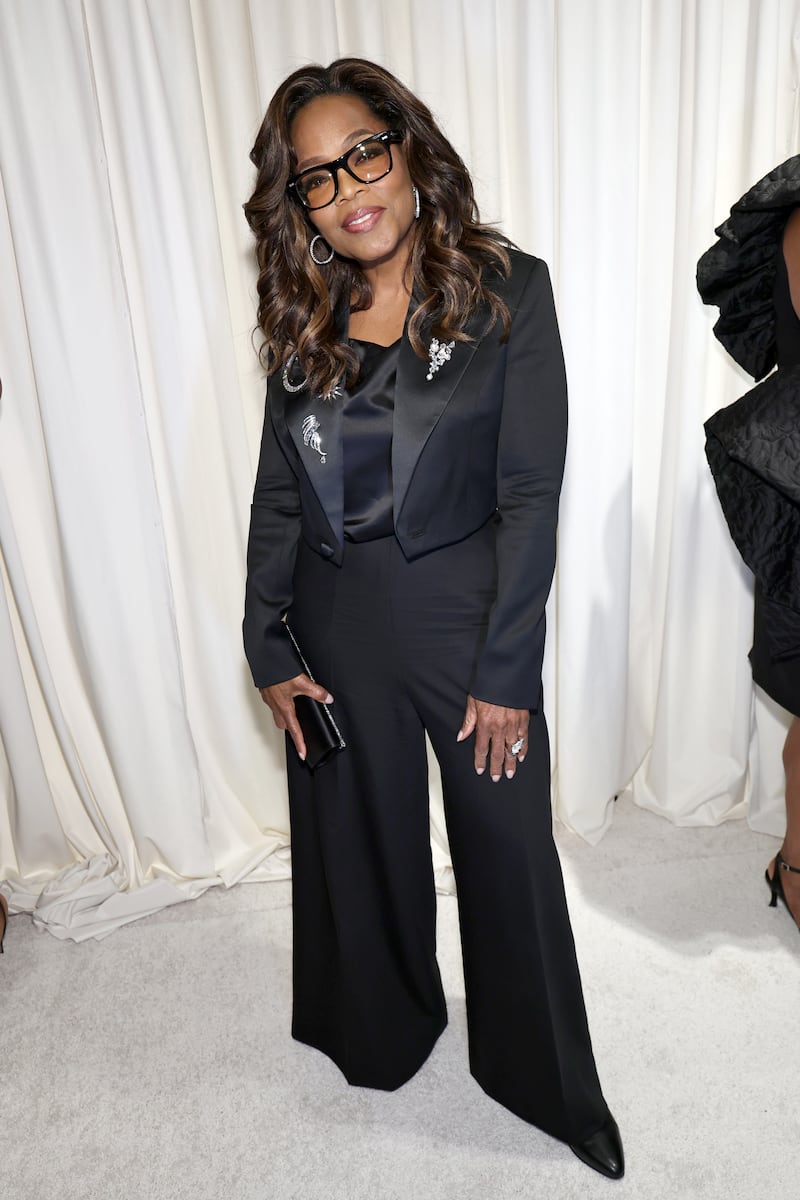
But that mindset has shifted dramatically in recent years. Winfrey revealed that she began using GLP-1 weight loss medications more than two years ago after what she described as a personal epiphany. GLP-1s —originally developed to treat Type 2 diabetes—work by regulating appetite and blood sugar, and have become widely used for weight loss.
The former WeightWatchers ambassador, who resigned from the company’s board in 2024 amid concerns about conflicts of interest, said the medication has freed her from constant self-policing around food.
“I’m not constantly punishing myself,” she explained, describing herself as now “blissfully unbothered” by calorie counts and mental calculations about how long it would take to “work it off.”
Winfrey has also been frank about reframing obesity as a medical condition rather than a moral failing. Accepting help, she said, changed everything. “I’m more alive and more vibrant than ever,” she told People.
The contrast with earlier eras of diet culture is stark. In that same 60 Minutes interview, Wintour recalled a trip to Minnesota by remarking that she could “only kindly describe most of the people I saw as little houses”—a comment that sums up the prevailing attitudes Winfrey spent years internalizing.
Now, Winfrey is reclaiming the narrative. Her upcoming book, Enough: Your Health, Your Weight, and What It’s Like to Be Free, set for release Jan. 13, digs deeper into her physical and mental transformation—and signals that, at last, she’s done measuring herself by anyone else’s standards.