In his quest for a third Academy Award, Sean Penn may have just one-upped all his predecessors.
Less than 20 days before the two-time Oscar winner could receive his third golden statue, a bombshell article detailing the One Battle After Another actor’s decade-old heroic adventure just dropped.
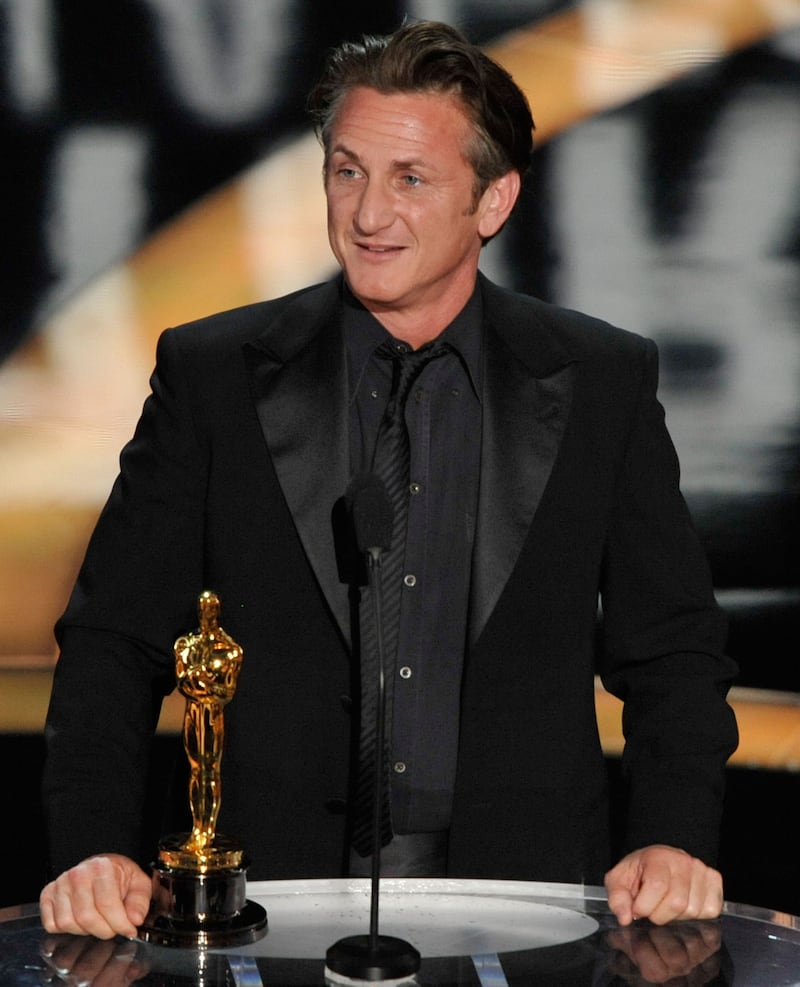
It would take an actor of Penn’s caliber to feign any level of shock at the article’s mysteriously perfect timing, just a few short weeks out from the Oscars.
The lengthy article, published by New York Magazine, paints Penn, 65, as an unequivocal Hollywood hero. In 2013, after the actor learned that an American businessman had been held in a Bolivian prison for 18 months without being charged, he reportedly took action.
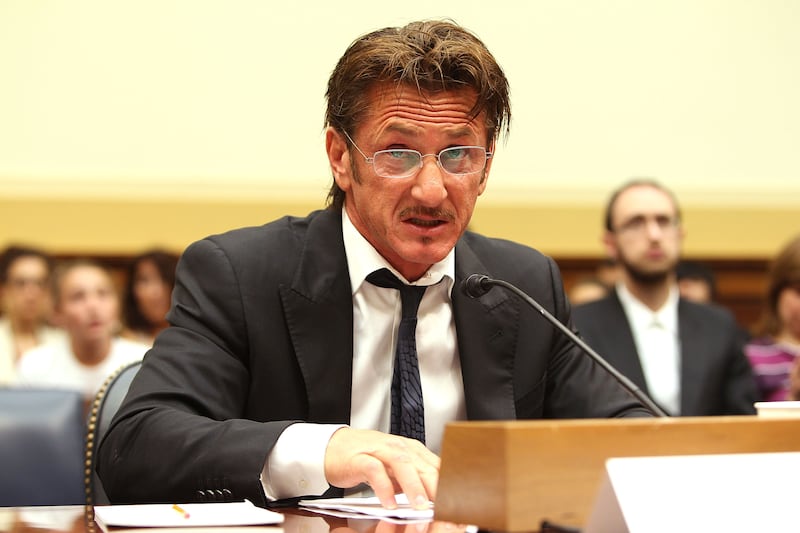
Penn, who the article describes as an “ambassadorial thrill seeker,” leveraged his friendship with Bolivia’s president to secure Brooklyn native Jacob Ostreicher’s release.
Ostreicher was a free man in December 2013, so why publish the story now? The answer is simple: Oscar voters have just about one more week to cast their ballots.
For months, Penn has been locked in a supporting actor awards race that has spread the votes evenly. On Sunday, Penn won his first major award at the BAFTAs. Previously, rivals Stellan Skarsgård took home the Golden Globe award, and Jacob Elordi won the Critics’ Choice award.
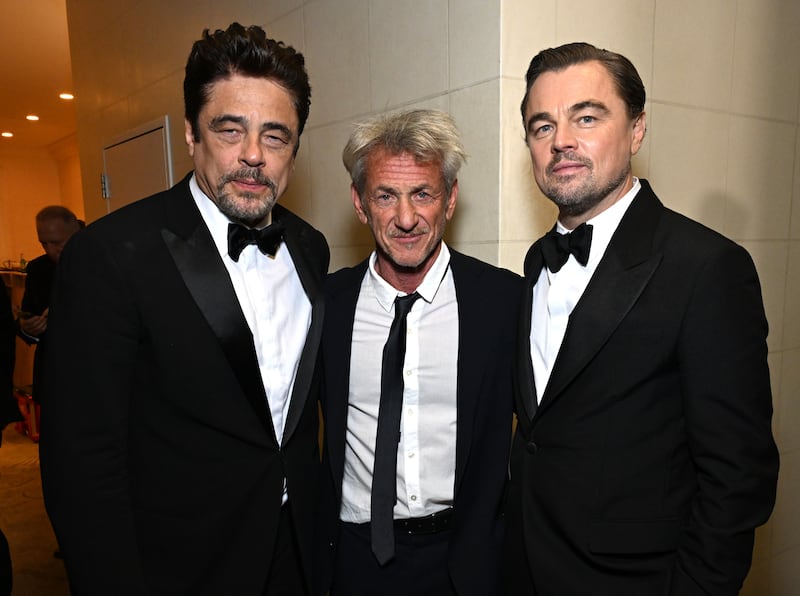
If ever Penn wanted to win his third Oscar, the last of which he won in 2009 for Milk, now is his chance.
The actor’s awards season strategy is brazen, but it is hardly the first time an Oscars race has inspired outlandish behavior from a nominee.
Leading up to perhaps the Oscars’ most controversial upsets in history, disgraced former Hollywood producer Harvey Weinstein enacted a no-holds-barred approach for Shakespeare in Love.
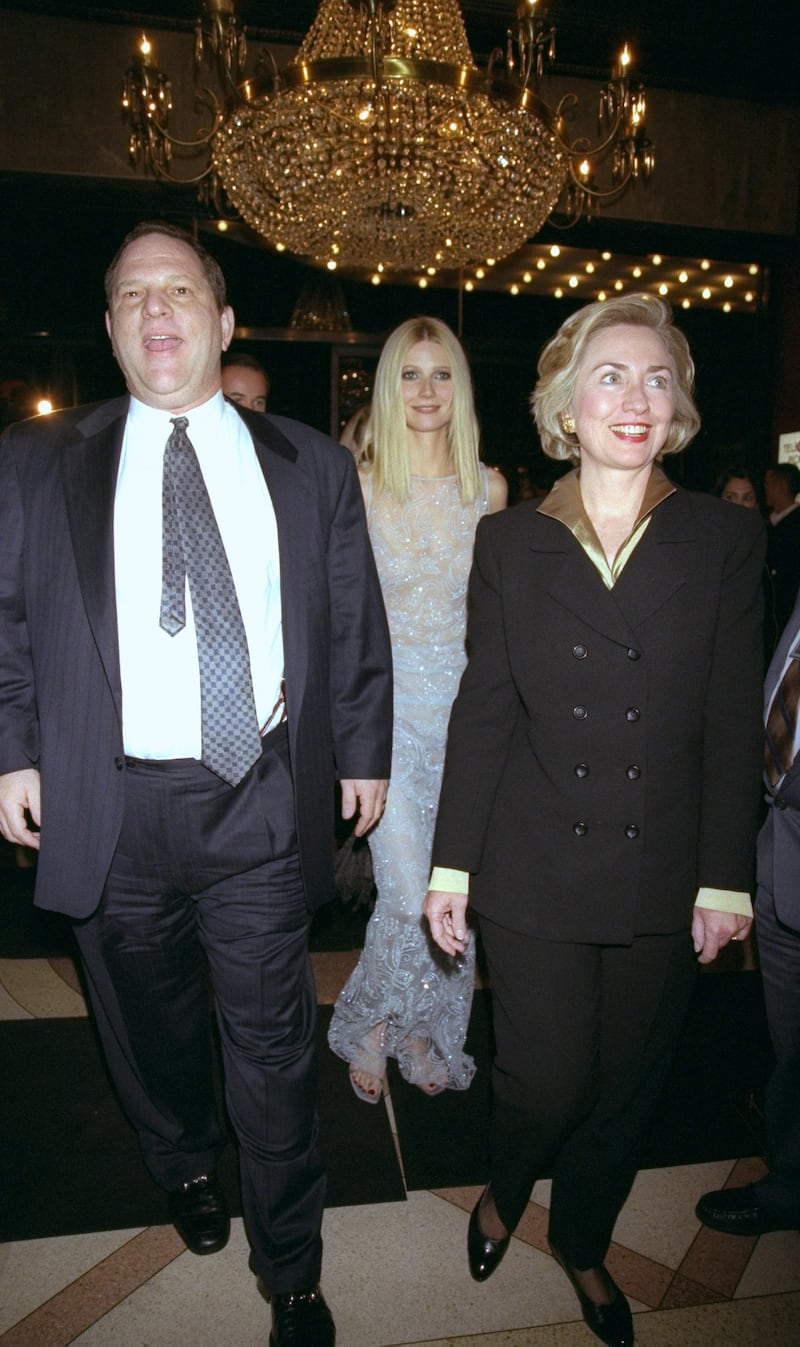
Weinstein, 73, recruited First Lady Hillary Clinton to host the film’s 1998 New York premiere, ensured they (very publicly) ran more ads than their opponent Saving Private Ryan, hired consultants to lobby voters, and even began a smear campaign against Steven Spielberg’s war film.
The result: the melodramatic romantic comedy beat out Spielberg’s iconic film in one of the most surprising Best Picture upsets of all time.
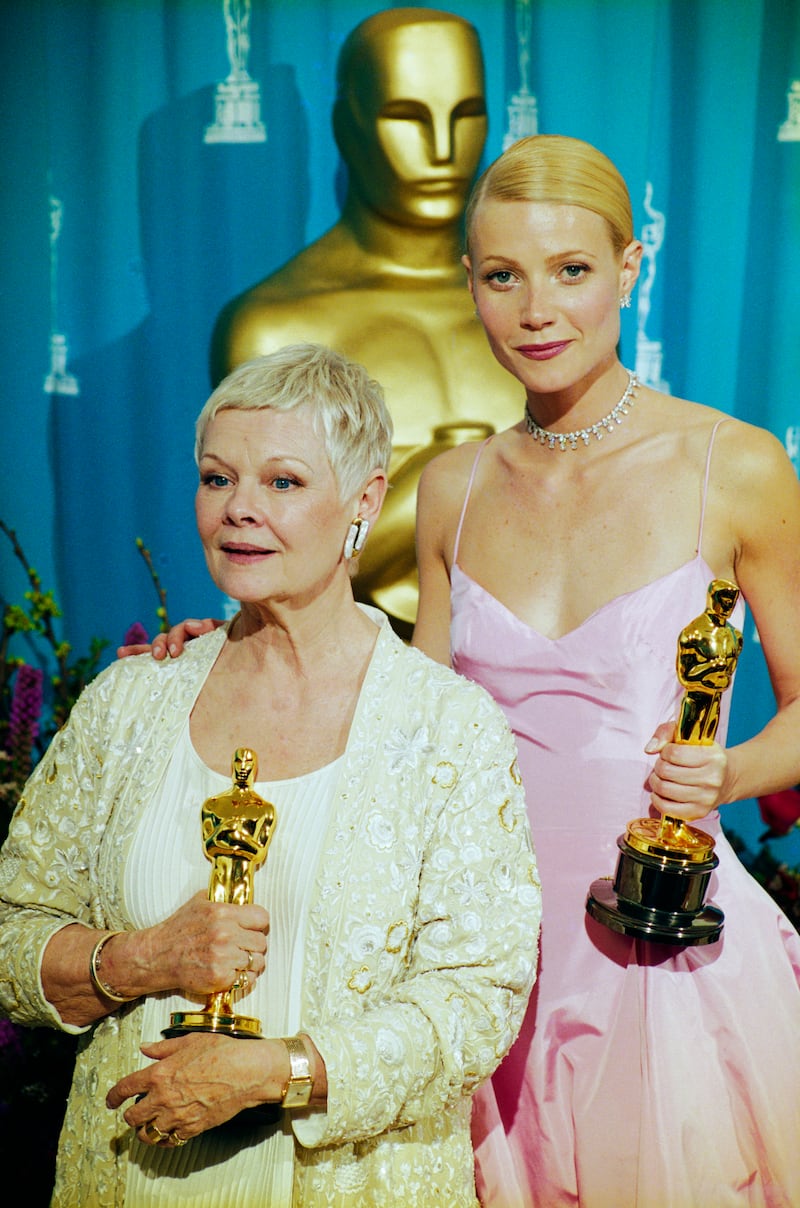
Four years later, Weinstein-led Miramax deployed a new tactic: ghostwriting a New York Times op-ed from the Academy’s former president in favor of Gangs of New York director Michael Scorsese. The industry’s outrage at the tactic left the film empty-handed come Oscars night.
In 2011, Best Supporting Actress nominee Melissa Leo believed her role in Frozen River was her only shot at the coveted golden statue. Fearing her age—at the time Leo was 50—kept her from landing magazine covers like her competitors, Leo paid for her own photos to appear in trade magazines. The images, which depicted the actress in furs, were published with the quote “consider...” above them.
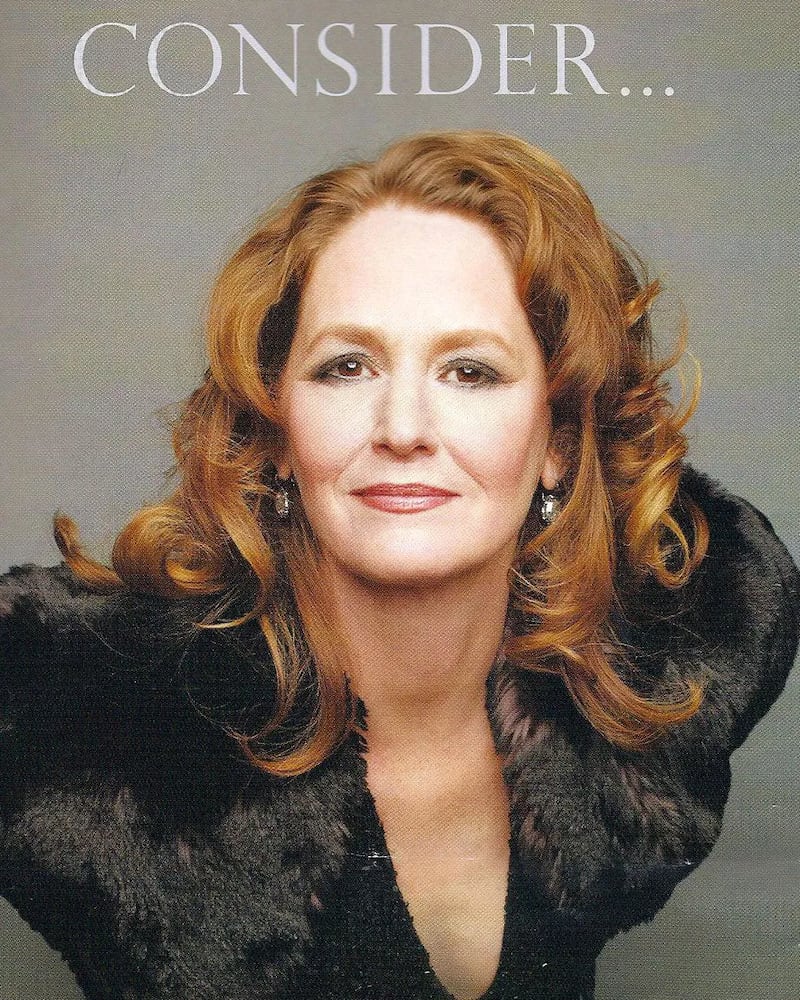
On Oscar night, Leo took home the award in one of the ceremony’s most genuine moments of shock, beating out younger rivals Amy Adams and Helena Bonham Carter.
In perhaps the only other example that rivals Penn’s, The Alamo actor Chill Willis’ desperate attempt to claim an Oscar ultimately tanked his chances.
The aggressive campaign for the 1960 John Wayne-directed film featured ads with the text “We of the Alamo cast are praying harder—than the real Texans prayed for their lives in the Alamo—for Chill Wills to win the Oscar as best supporting actor. Cousin Chill’s acting was great. Your Alamo cousins.“
Needless to say, the tasteless ploy was maligned by the film industry—to the degree that Variety refused to publish it—and Willis went home empty-handed.
Penn will have to wait until March 15 to see if his thinly veiled ploy paid off.