While Harrison Ford was fighting villains on-screen, he was fighting legal battles off-screen to keep himself off the battlefield.
Ford, now 83, detailed how he avoided the Vietnam War draft by filing for conscientious objector status in a new interview with NPR.
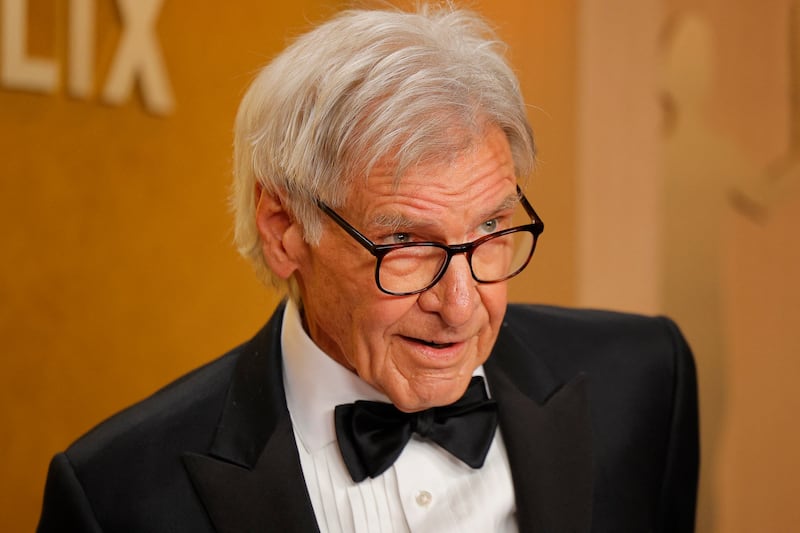
“I was facing being drafted, and I hired a lawyer to represent me to the draft board,” the Indiana Jones actor said on Wednesday. “I had to explain why I might qualify as a conscientious objector.”
There was only one problem: Ford was not a particularly religious man. Most conscientious objectors at the time, such as Muhammad Ali, pleaded their case on religious grounds.
“I explained that I did not have a history of religious affiliation. My mother was Jewish, my father Catholic,” Ford said. “I was raised Democrat.”
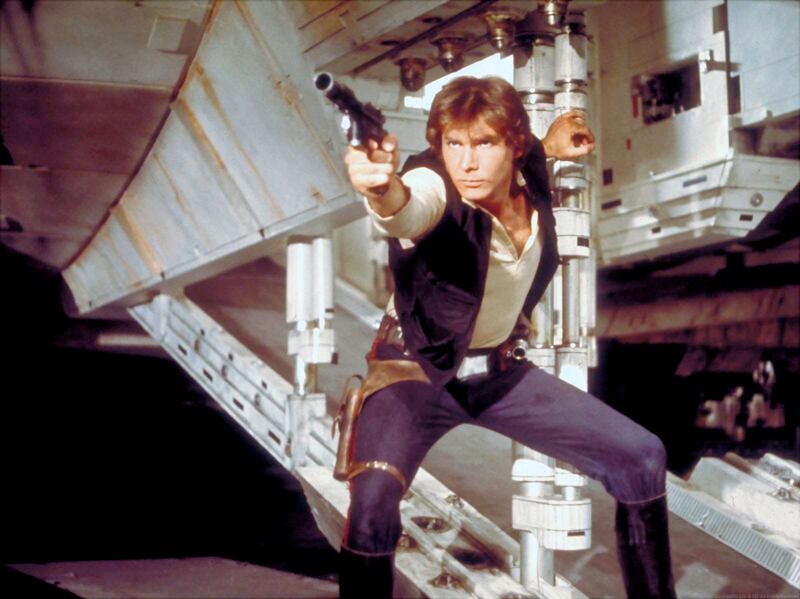
The actor, who was just a few short years away from his big break in Star Wars when the draft ended in 1974, was still working as a carpenter to subsidize his fledgling acting career. Ford then reached out to the Protestant theologian Paul Tillich to help get his name removed from the lottery.
Tillich, who died in 1965, explained to Ford, “If you have trouble with the word ‘God,’ take whatever is central and most meaningful to your life and call that ‘God.’”
For Ford, the answer came quickly.
“And to me that was life itself,” Ford explained, “the complexity, the biodiversity, the incredible integration and complexity of nature, to me seemed to be the same thing as God.”

Even so, Star Wars’ Han Solo said it wasn’t the strength of his argument that kept him from the war, it was its indeterminable complexity.
Ford prepared a case that was “probably so unusual that it found the edge of a desk and had a lot of things piled on top of it because it didn’t fit a niche.”
“They never got back to me, basically,” he added. “The draft board never got back to me.”
In 1997, Ford first spoke of his draft dodging. A slew of newspapers, including the Boston Globe and CNN, covered the story, but wrote that Ford merely “claimed” to be a conscientious objector and intentionally tried to confuse the draft board.
Ford strongly objected to the articles and sent letters to more than 100 newspapers, seeking an across-the-board retraction.

Ford’s lawyers put out a statement that read, “The statement that Harrison Ford was merely ‘claiming’ to be a conscientious objector solely to dodge the draft is false and defamatory.”
“Even a casual reading of the interview with our client in Movieline magazine reveals that any confusion occurred wholly on the government’s part, but that Mr. Ford’s conscientious objection status was sincere and principled,” it continued.
Many newspapers, including the New York Times, issued clarifications.
60 years later, Ford is still reaping the benefits of his objection. On March 1, Ford was honored with SAG-AFTRA’s Lifetime Achievement award, something he likely would not have received had the draft derailed his career.
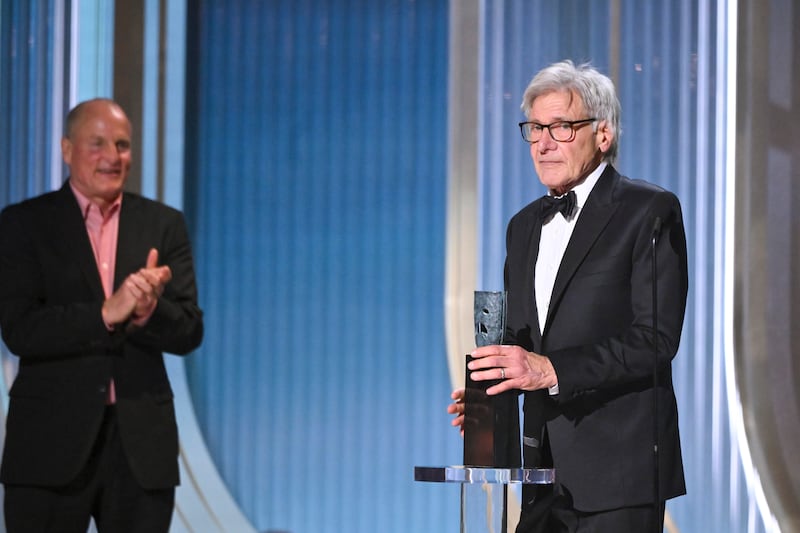
In his speech, the actor said he was “humbled.”
“I’m in a room of actors, many of whom are here because they’ve been nominated to receive a prize for their amazing work, while I’m here to receive a prize for being alive,” he remarked.
“That said, it’s a little weird to get a lifetime achievement award at the half point of my career,” Ford joked. “This is very encouraging.”