At 75, Pinocchio Is Still The Finest Hand-Drawn Film Ever
<p>As the ageless <i>Pinocchio</i> turns 75, it’s worth another look at the film that taught us that animation, done right, can be art.<br> </p>

Walt Disney Co./Everett
On February 7, 1940, Disney premiered its second animated feature, Pinocchio. It was a follow-up to the rousing success of Snow White and the Seven Dwarfs, which was so lucrative it funded the company’s purchase of its Burbank headquarters.
Pinocchio, despite critical acclaim, bombed at the box-office, largely because the Disney studio made a lot of its money overseas, and Europe was then in the midst of an all-encompassing war. It was also an incredibly expensive film due to the painstaking care and labor that went into its creation—care and labor that paid off in the long run, too, insuring the film’s place as a classic of animation.
“Personally, I’ve been in the business for more than 30 years,” explains Dave Bossert, the producer/creative director at Walt Disney Animation Studios, “I look at Pinocchio as one of the finest hand-animated films that’s ever been made.”
The film was adapted from the popular children’s book The Adventures of Pinocchio, an unambiguous morality tale about hard work and honesty. And while the characters in the original tale aren’t exactly endearing—Pinocchio in particular—in the film all of them are, from Geppetto to Pinocchio to Jiminy Cricket.
The production of the film also underwent a major overhaul partway through production, and one example of that is the character of Jiminy Cricket.
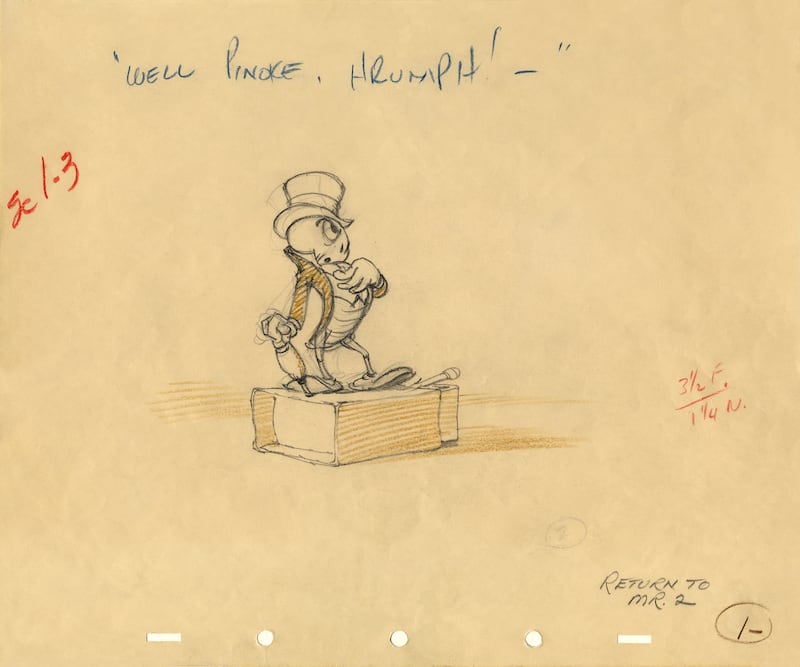
“Early designs of Jiminy Cricket really had him looking more like a cricket,” says Bossert. Walt ended up tapping Ward Kimball, who as a master animator was known as one of “Disney’s Nine Old Men,” to save Jiminy Cricket.
Get the best of The Beast delivered right to your inbox
By clicking “SUBSCRIBE” you agree to our Terms of Use and Privacy Policy.
“Ward went in and actually redesigned what they had already designed for Jiminy Cricket and designed him as a little man with an egg head and no ears, and essentially Kimball joked later on that the only thing that makes Jiminy Cricket a cricket is because they call him a cricket,” explains Bossert.
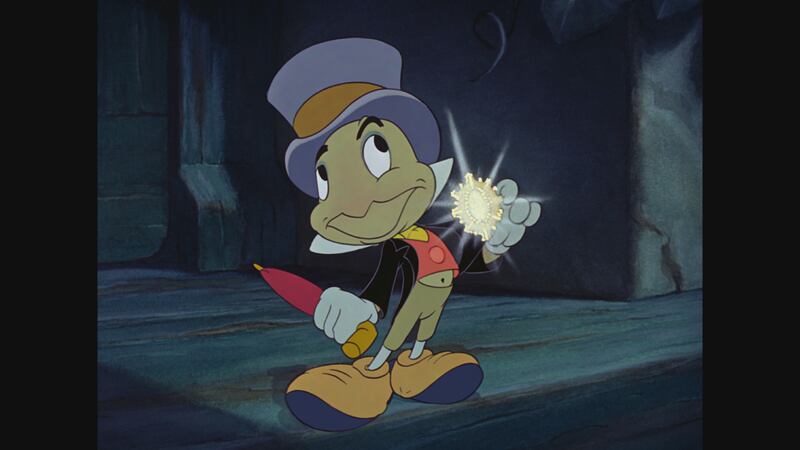
Added to the U.S. National Film Registry in 1994, Pinocchio was groundbreaking animation, both in its techniques and its tone. As filmmaker Terry Gilliam has observed, Pinocchio “is visually the richest of [Disney’s] features and it is also the darkest.”
That visual richness is really what sets the film apart.
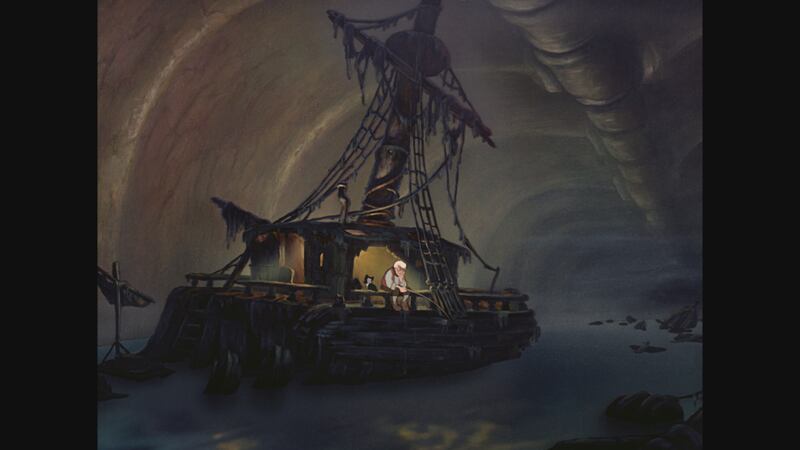
“I always point to the whale sequence in the film,” explains Bossert, “because the level of artistry that went into creating the ocean water and Monstro the Whale, just the interaction of Pinocchio and Geppetto on the raft on the ocean with the whale chasing—it’s just so spectacularly done. It’s the pinnacle of effects animation in my mind, that’s gone into that picture.”
It’s hard sometimes for the modern eye, accustomed to computer-animation, to go back and look at Pinocchio and see its innovation.
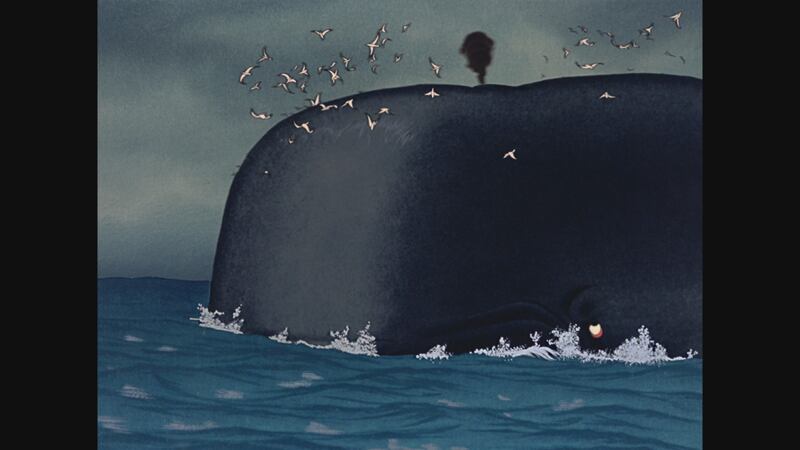
“You have to think in terms of that was all done by hand. There were no computers,” argues Bossert. “Just step back for a second and think, that was made by hand. Those were all drawings.”
Of course, a Disney film wouldn’t be a Disney film without the music. And there are few songs as iconic as “When You Wish Upon a Star.” “When you hear the first couple bars of that tune, you know it’s Disney,” gushes Bossert.
See more of our coverage in your search results.

Got a tip? Send it to The Daily Beast here.
Register below to read this article for free or subscribe
to unlock unlimited access to The Daily Beast.
Monthly
$1
First month then $5.99/month
Annual
$35
First year then $59.99/year
Premium
$79
First year then $119.99/year
*Substack access provided by the next business day, using your subscription email. Choosing the Premium plan constitutes your permission to share your subscription email with Substack and your agreement to Substack’s Privacy Policy.
Already have an account? Sign In
Looks like you already have a subscription!
You're all set!
Thanks for subscribing.