The first Vietnamese-American woman in space says she faced a “tsunami of harassment” after her historic achievement.
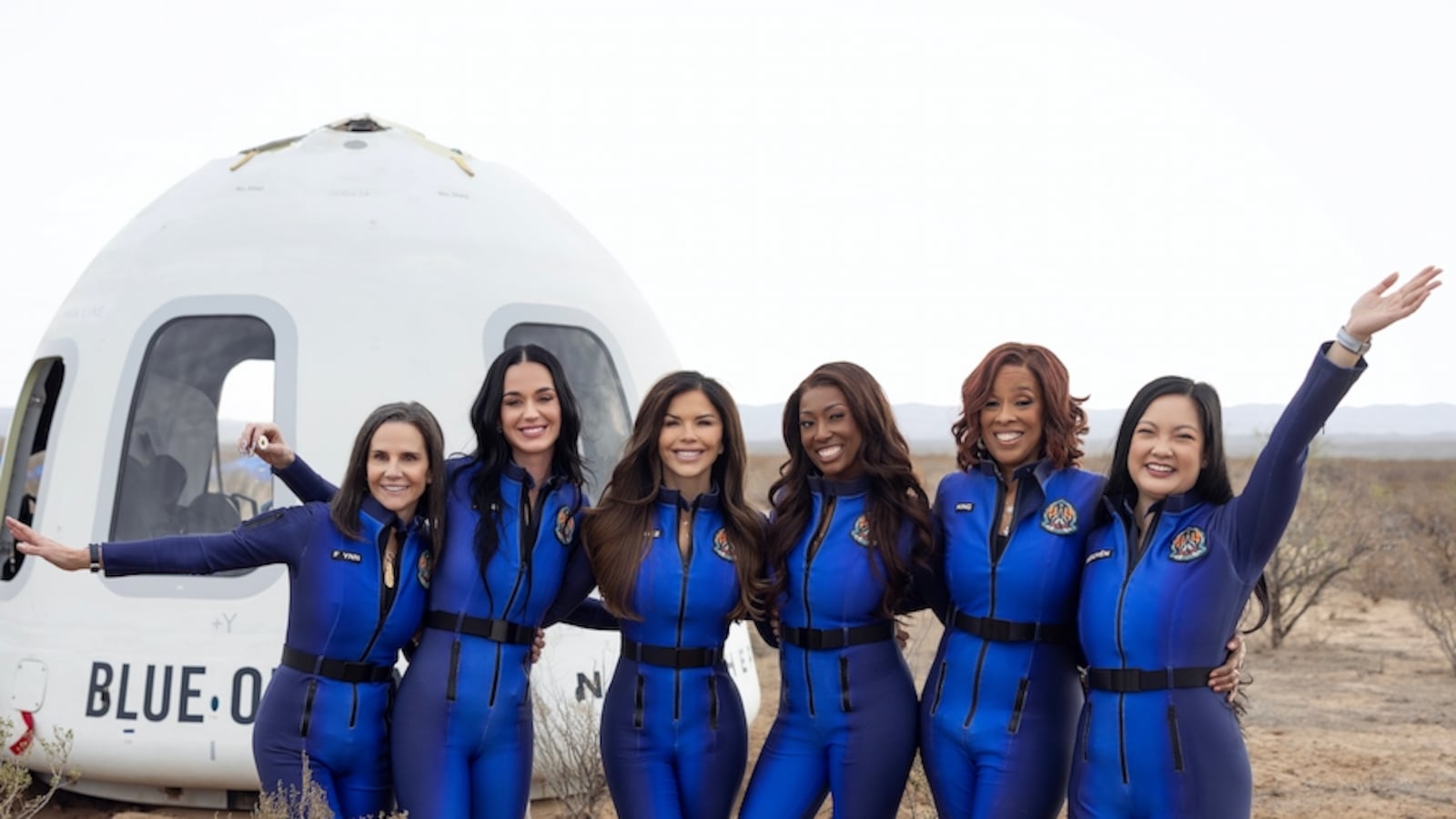
Civil rights activist and commercial astronaut Amanda Nguyễn, 34, joined Blue Origin’s all-female mission led by Jeff Bezos’ wife, Lauren Sánchez, and writes that what she believed would be a dream achievement was instead “buried under an avalanche of misogyny.”
“When Gayle [King] called to check in on me in the aftermath of the spaceflight, I told her my depression might last for years,” Nguyễn wrote in an Instagram post, describing her conversation with CBS News anchor Gayle King, who joined her on the 11-minute mission in April alongside Sánchez, pop singer Katy Perry, film producer Kerianne Flynn, and aerospace engineer Aisha Bowe.
The space flight was the first all-female crew since Valentina Tereshkova’s solo mission in 1963 and drew significant media attention, as well as criticism from the public and high-profile figures over its environmental impact and cost.
“Anybody that’s criticizing it doesn’t really understand what is happening here,” King told People after the flight, when asked about the criticism, highlighting the positive “response” the crew had received from young girls about what the trip represented for them.

Meanwhile, Nguyễn revealed that the “hostile impressions” she had to endure after the mission were “an onslaught no human brain has evolved to endure,” writing in her post that she was unable to leave her bed for a week following the mission.
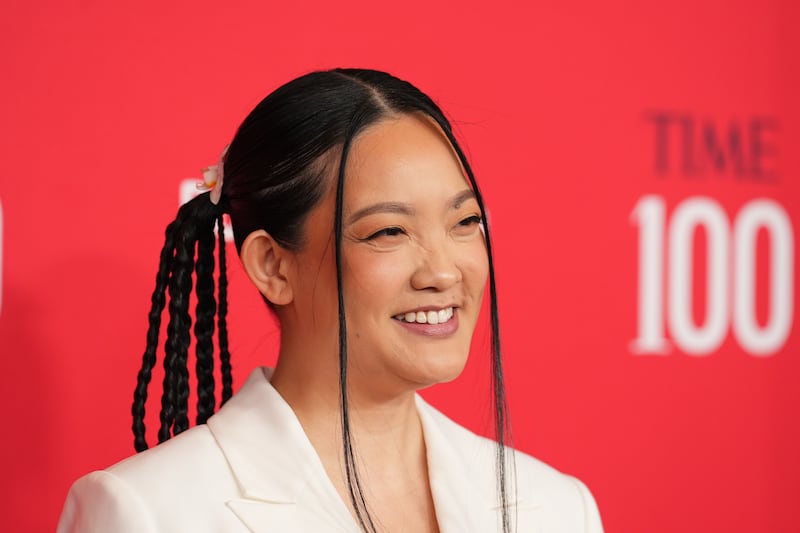
“I felt like collateral damage, my moment of justice mutilated,” wrote Nguyễn, whose grassroots movement Rise—started after she was raped as a Harvard student at age 22 and aimed to advocate for a fairer system for survivors—helped pass the Survivors’ Bill of Rights Act of 2016.

The Nobel Peace Prize nominee also reflected on how she tried to “remain strong” in the public eye despite her “fog of grief,” thanking the people who supported her during the eight months since the space trip, whom she writes “all saved” her.
“When Neil Armstrong stepped on the moon, bombs rained down on Vietnam. This year, when my boat refugee family looked at the sky, instead of bombs they saw the first Vietnamese woman in space,” wrote Nguyễn, whose parents both arrived on small boats in the U.S. after the fall of Saigon.

In March, prior to the trip, the Saving Five: A Memoir of Hope author told The Guardian that she made a “promise” to herself that her trip to space would be an “escape.”
“I was able to tell my survivor self, ‘I kept my promise,’” Nguyễn wrote in her Instagram post, emphasizing that despite the harassment she endured, she continues to be grateful and “count all the ways in which the flight has transformed for good.”
Two weeks after the flight, Nguyễn’s crew member and pop singer Perry also revealed that she had been treated like a “human Piñata” but kept looking toward the light through her “battered and bruised adventure.”
Nguyễn herself appears to have recovered from the “grief” she faced after the criticism, sharing a diary entry dated Dec. 27 that read, “I’m happy to report the depression has lifted.”
The Daily Beast has reached out to Blue Origin for comment.