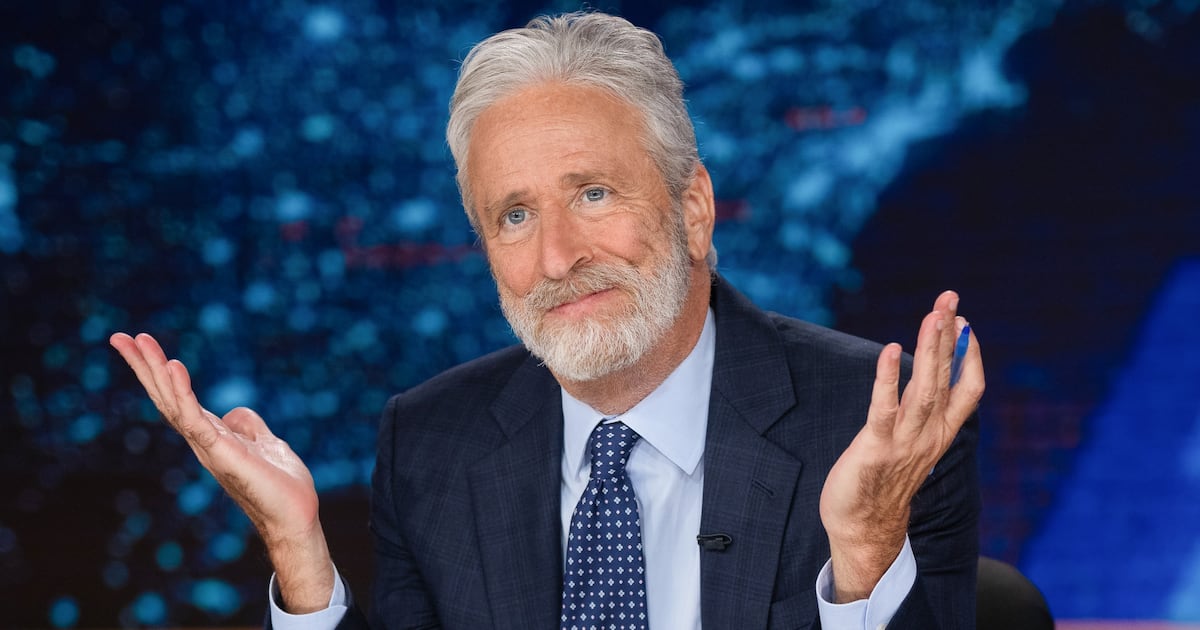
Bill Maher is finally admitting his old pal Donald Trump may have badly bungled the Iran war he once cheered on.
Speaking on Wednesday’s episode of Billy Bush’s Hot Mics podcast, the comedian said he initially backed Trump’s decision to strike Iran—but now believes the president has turned the conflict into a dangerous mess with no clear exit strategy.
“I’m supportive of the idea of going into Iran. I thought that was a good attempt,” Maher, 70, said. “What I hope he does now is realize it didn’t work.”

Maher added that while presidents from both parties have long viewed Iran’s nuclear program as a serious threat, Trump’s handling of the conflict has spiraled far beyond what supporters originally expected.
“Now let’s not make a bad situation worse,” Maher warned. “Let’s get out of this as cleanly as we can, and we’ll try again at some point if we have to.”
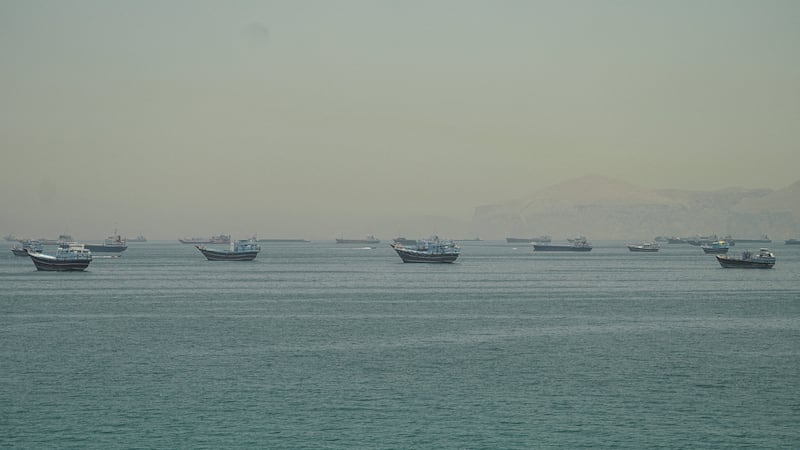
The war has now dragged on for more than 12 weeks—far beyond the White House’s early assurances that major operations would wrap within four or five weeks. Negotiations have repeatedly stalled as violence continues in and around the Strait of Hormuz, the critical shipping lane that carries roughly 20 percent of the world’s oil supply.
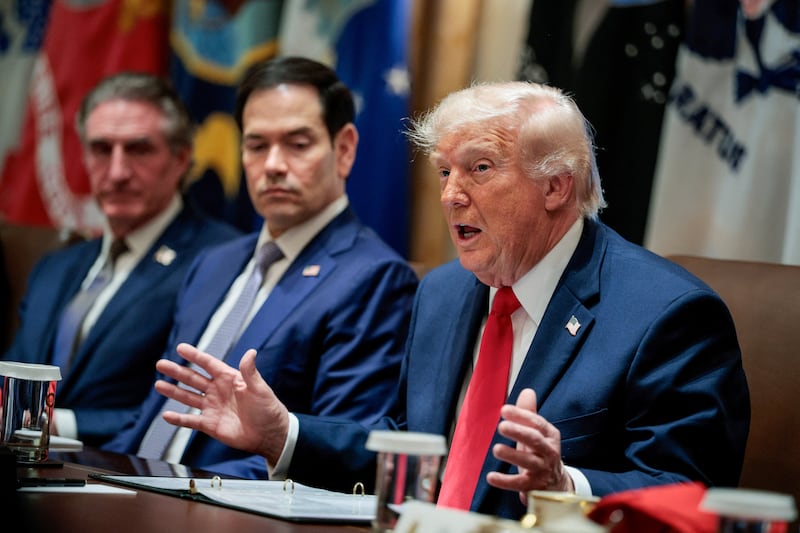
Maher said he believes the 79-year-old president fundamentally missed the moment to act.
“They should have started the war when the people were in the streets,” Maher explained, referring to anti-regime protests in Iran that erupted months before the conflict escalated into open warfare.
Now Maher appears to be joining a growing number of Americans souring on the conflict altogether. An Ipsos poll conducted in May found 52 percent of Americans believe the war has not been worth it, while just 23 percent said the military action was justified.
The economic fallout has only intensified the backlash. Gas prices have surged to a national average of $4.46 a gallon, while repeated disruptions in the Strait of Hormuz have rattled global energy markets.
Even as the situation deteriorated, Trump repeatedly insisted peace was just around the corner.
On April 22, Trump announced an extension of a ceasefire framework with Iran while the U.S. continued enforcing a naval blockade in the Strait of Hormuz. Hours later, Iran reportedly attacked three commercial vessels in the region, while Iranian President Masoud Pezeshkian accused Washington of sabotaging negotiations through “breach of commitments, blockade, and threats.”
That confrontation came just days after Trump triumphantly declared the strait was “COMPLETELY OPEN” in a social media post—a declaration that was followed up by a shoot-to-kill warning against Iranian vessels suspected of deploying naval mines in the waterway.
In May, Trump again projected confidence, claiming the U.S. would help “free up” stranded ships trapped near the strait. Iran responded with a direct threat from senior military officials, warning American forces would face retaliation if they entered the area.
Hours after the warning, Iranian outlets claimed missiles struck a U.S. warship near the southern end of the strait.
Trump nevertheless kept publicly insisting that diplomacy was gaining traction. Last week, Trump assured reporters that a deal to obtain Iran’s enriched uranium was imminent.
But the optimism quickly collided with reality yet again. A senior Iranian official told Reuters that same day that negotiations remained deadlocked, with disputes over uranium enrichment and access through the Strait of Hormuz still unresolved.