

With films such as Terms of Endearment, Broadcast News, and As Good As It Gets, writer/director/producer James L. Brooks carved out a particular brand of aww-shucks heartwarming cinema, and 15 years after his last big-screen effort (the dreary How Do You Know), he revisits familiar stomping grounds with Ella McCay (December 12, in theaters).
Unfortunately, it’s a borderline-abysmal return engagement, so across-the-board affected that it feels less like a classic Brooks effort than someone doing their best Brooks impersonation. With its phoniness epitomized by Emma Mackey’s lead turn, it’s the biggest dud of the artist’s career, and the holiday season’s most egregious misfire.
Giving a performance that resonates as Anne Hathaway cosplay, Mackey is Ella McCay, the 34-year-old lieutenant governor of an unnamed northeast state (which resembles Rhode Island) who works for beloved Governor Bill (Albert Brooks), who spends the majority of his workday on the phone soliciting donations for future campaigns.
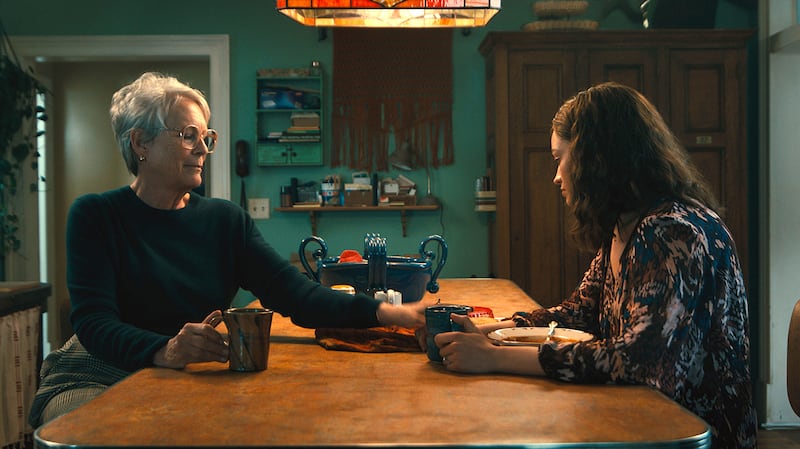
Aside from Bill and her secretary Estelle (Julie Kavner), who doubles as the proceedings’ narrator, everyone in government finds Ella “annoying,” and with good reason, since she never misses a chance to advocate self-righteously for a “Mothers Bill” (designed to help new moms and their kids) as well as other noble for-the-people initiatives. Since this is 2008, Ella is a do-gooder resolved to bring about the same sort of “change” promised by the incoming (unnamed) president, and Ella McCay celebrates her for her selfless Obamacore spirit, not realizing that her idealism is stereotypical, generic, and gratingly hokey.
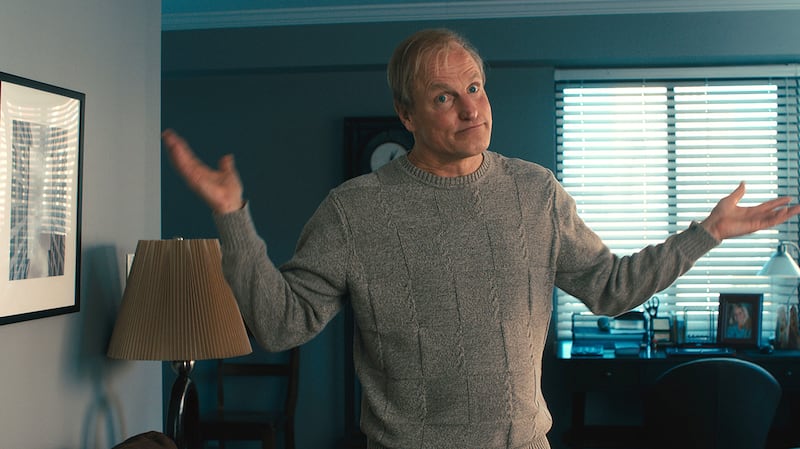
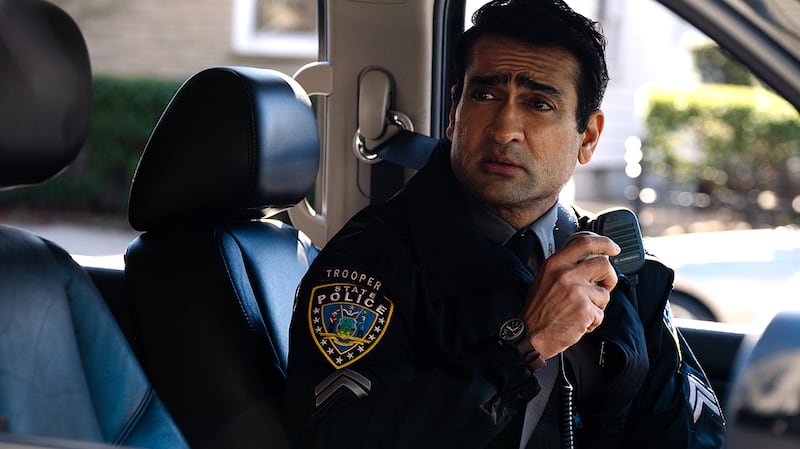
In early flashbacks that spell out her backstory (and boast a host of unconvincing wigs and haircuts), 16-year-old Ella stands up for her mom (Rebecca Hall) against her loutish dad (Woody Harrelson), who’s ruined his career and their lives with his rampant womanizing, thereby further underscoring that she’s a tough, principled, never-back-down feminist. A later tirade against her security detail (Kumail Nanjiani, Joey Brooks) for racking up overtime pay during the ongoing financial crisis (she decries their conduct as “chiseling”) is additional evidence that Ella is upright and unafraid to fight. Simply put, she cares.

Mackey’s performance, however, is false from the moment go, artificially vacillating between flustered stuttering and writerly speechifying. McCay is supposed to be a lovable heroine juggling a host of calamities with ruffled enthusiasm, but Mackey doesn’t have the charisma to pull off Ella’s mixture of staunch virtue, vibrant cutesiness, and indefatigable determination; instead, her work is mechanical, built from the quirks and gestures of prior Brooks (and rom-com) characters gone by.
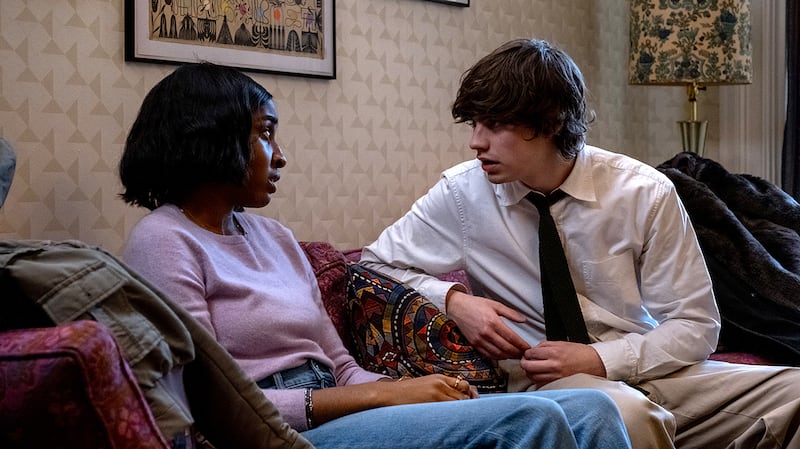
Ella is married to pizza restaurant heir Ryan (Jack Lowden), who’s a doting loser, and she leans heavily on the advice of her aunt Helen (Jamie Lee Curtis), who owns a neighborhood bar and doesn’t much care for Ryan. Helen’s suspicion that her nephew-in-law is destined to get Ella into trouble comes true when a reporter gets wind of the fact that the couple have been having lunchtime sexual rendezvous in a government office—a big no-no that threatens to mushroom into a scandal. That may have been semi-realistic in 2008, yet Ella McCay exists in 2025, where this indiscretion would barely warrant a nightly news mention.
Consequently, the plot point—and the difficulties it begets—comes across not simply as outdated, but as a nostalgic wish for a more innocent pre-MAGA era. It’s of a piece with the film as a whole, which has been fashioned as a clumsy descendant of political dramedies like Dave and The American President, with dashes of Mr. Smith Goes to Washington and Pretty Woman thrown in for mushy measure.
Ella’s indiscretion becomes a more pressing problem when Governor Bill gets a Cabinet post and she becomes the state’s new governor, immediately setting about trying to push through her altruistic legislation. At the same time, she’s beset by additional headaches, including Ryan’s desire—stoked by his cutthroat mom—to get a sweet new administration gig from his wife, if not be made unofficial co-governor.
Lowden overacts at every available opportunity (which are legion), rendering Ryan a one-dimensional jerk. Still, he’s no more over-the-top than the rest of those involved in this creaky throwback, be it Curtis as the feisty and loving Helen, Harrelson as the skeevy and untrustworthy Eddie, or Kavner as the spunky and loyal Estelle, whose voiceover strains mightily for adorability.
Ella McCay strives to be funny one moment and sad the next, if not both at the same time, but Brooks’ blend of comedy and drama doesn’t hold, the result being that punchlines crash and burn, maudlin predicaments fail to produce waterworks, and everyone veers uncomfortably between being silly and serious.

The film’s wannabe-wacky set pieces are devoid of energy, most notably during a visit to agoraphobic math-nerd brother Casey (Spike Fearn) in which Ella accidentally consumes a THC-laced juice and cookie and must stay the night for fear of being seen while high as a kite. These and other incidents are standard-issue genre components, and yet there’s no liveliness to their conception or execution, with Brooks’ writing a combination of mirthless bits and high-and-mighty sermons.
Though Ella’s tale spans a mere three topsy-turvy days, it seems to last forever, as everything about her plight is goofy and groan-worthy. Ella eventually has to cope with obstinate legislators who only care about themselves, a spouse who’s willing to ruin her if he doesn’t get what he wants, a dad who doesn’t know how to make amends, and a mentor who isn’t sure if he wants to risk his position to help her.

Toss in some dead-mom grieving, a concussion, and a climactic showdown with her adversaries that forces Ella to decide what really matters most to her as a public servant, and the film is awash in corny conflicts and resolutions. What it lacks, alas, is a consistent tone, or a witty exchange, or a political idea that wasn’t drenched in good-ol’-days wistfulness.
More than that, Ella McCay is woefully short on charm, its plot a contrived hodgepodge of so many similar ’80s and ’90s tales that it plays as a brand-spanking new relic. Faced with an unending stream of unpleasantness, Ella finally snaps, letting it all out in a bout of frustrated screaming. Viewers will know all too well how she feels.