
In 2010, I was a guest at Tom Smothers’ table when he and his brother Dick were inducted into the TV Hall of Fame. I’d been a writer on The Smothers Brothers Comedy Hour reboot in the late ’80s and watched as Rob Reiner, one of the writers from the original show, which aired in the late ’60s, moved to the podium.
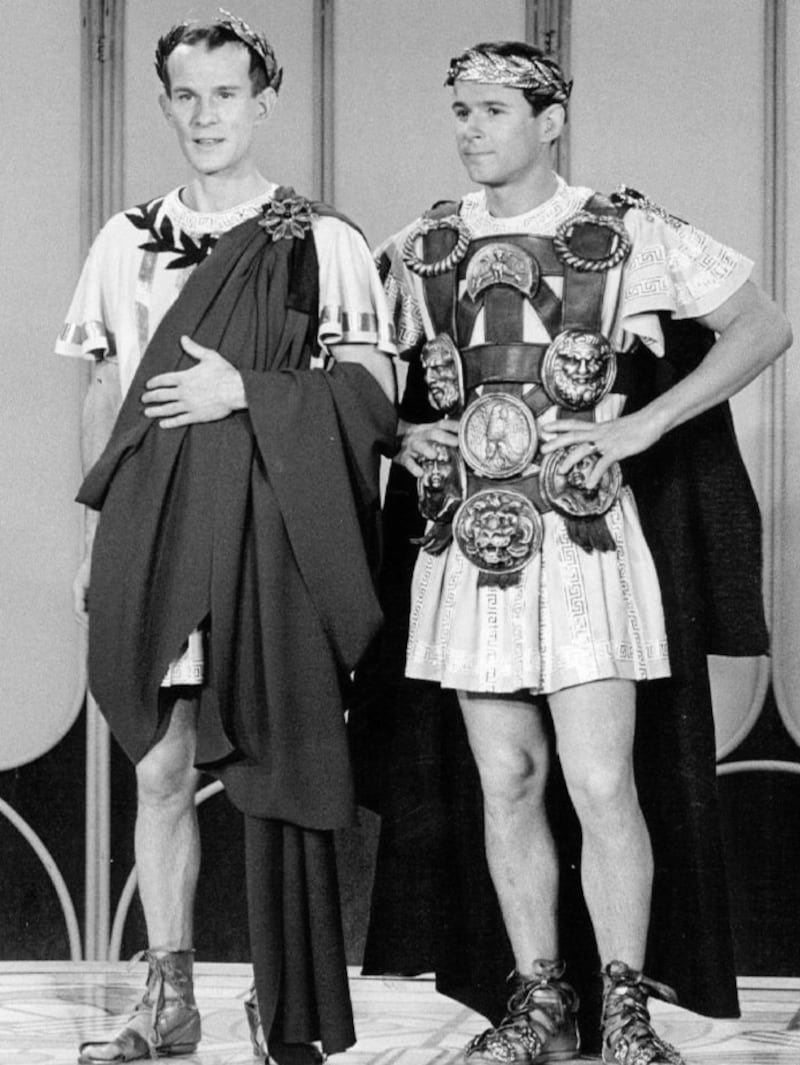
Reiner had been hired as a writer for the brothers at the age of 21. The gig didn’t last long. The original show’s run was cut short when the brothers spoke out against racism and the Vietnam War, and CBS fired them after three seasons. Still, the show had a lasting impression on Reiner.

Forty years later, he spoke about what it meant to work for someone who fought for what was right, who cared about performers, who knew what was funny, and who refused to compromise his comedy or his values to please a corporation. Then Reiner looked straight at Tom and thanked him for teaching “me how to fight for what I believe is right and you were the guy that did it.” Then he turned to Dick and said, “And Dick, thank you for being the brother of that guy.”
Reiner’s quip was funny because it was true and brought down the house.
Reiner was “that guy,” too. And more. Reiner is the through line connecting the best of TV comedy for the second half of the 20th century. From the Smothers Brothers era (’60s) to the Norman Lear era (’70s) to the Seinfeld era (’90s), Reiner played a role either behind the scenes or front and center of a string of culture-defining shows.

As for the ’80s, Reiner took that decade off from TV to direct and produce a string of genre-defining movies through his production company Castle Rock. Some of those movies were funny—When Harry Met Sally, The Princess Bride, This Is Spinal Tap. Some were scary—Stand By Me, Misery, A Few Good Men.

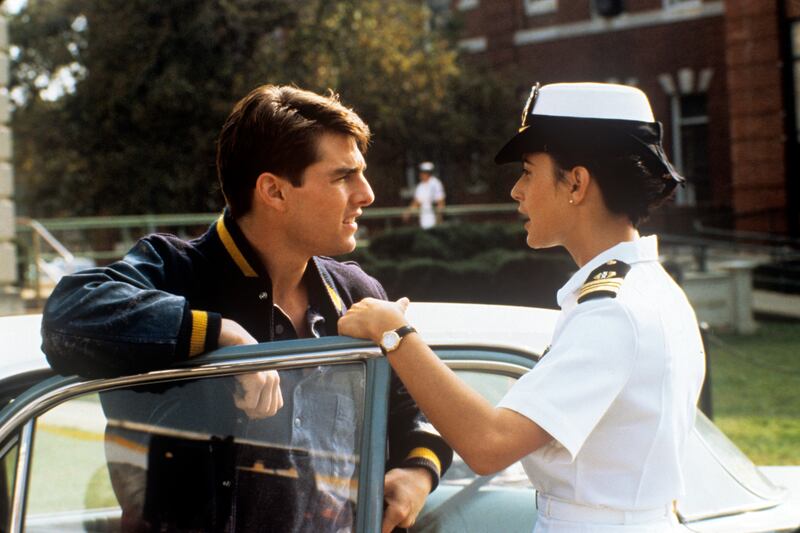
Three of his films from this decade were selected for the Library of Congress’s National Film Registry for being “culturally, historically or aesthetically” significant. In a testament to Reiner’s filmmaking, it’s hard to guess which three movies were chosen since they all fit that description.
In Hollywood, Reiner was at the epicenter of the comedy elite. Yes, he was born into ha-ha royalty, but he wasn’t just Carl Reiner’s son. Reiner was also:
- Albert Brooks’s best friend since high school.
- Steve Martin’s one-time writing partner.
- Penny Marshall’s ex-husband.
- Garry Marshall’s ex-brother-in-law.
- Norman Lear’s mentee.
- Nora Ephron’s champion.
- Christopher Guest’s champion.
- Marc Shaiman’s champion.
- Jerry Seinfeld’s sitcom-producing partner.

This list goes on. When someone is in the right place at the right time for that long, it’s not luck. It’s impeccable timing.
Reiner was both a creator and supporter of comedy. His own brand had a depth of emotion often missing from the genre. Reiner’s most memorable characters held obsessions: For revenge. (“Hello. My name is Inigo Montoya. You killed my father. Prepare to die.”) For an author. (“I’m your number one fan.”) For the truth. (Which you can’t handle.) For true love.
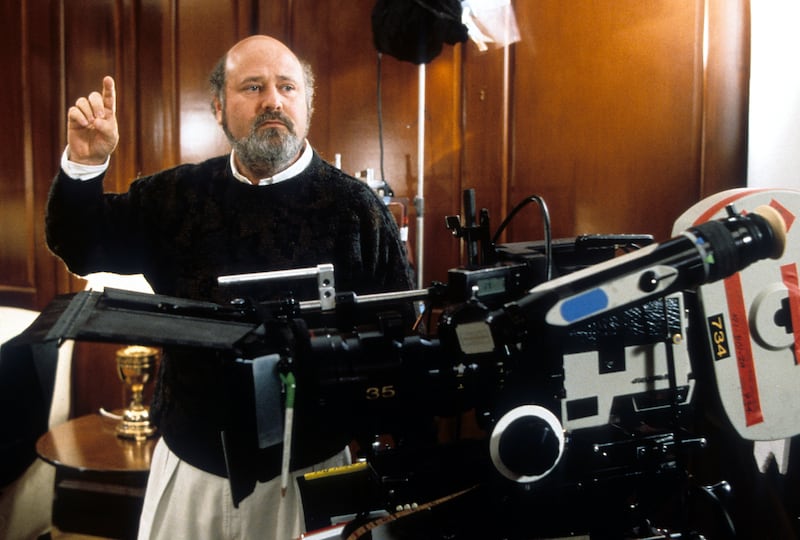
Obsessions can be funny or dramatic, but either way, Reiner understood that these deep passions reveal who we are and what we care about. His own obsessions included fighting for social justice. His crusade started in the ’60s and continued, unwavering, until his tragic death this weekend.

His legacy is perfect: Make quintessential art, laugh a lot, and “be that guy” who fights for the equality of all.