‘Pulp Fiction’ Star Slams ‘Racist and Creepy’ Tarantino
Rosanna Arquette called out the film’s use of the N-word.

Getty Images
Quentin Tarantino was called out by Pulp Fiction actress Rosanna Arquette over the weekend, as she revealed what she found “racist and creepy” about the film and its director.
In an interview with The Times, Arquette said the 1994 classic is an “iconic, great film on a lot of levels,” but “Personally, I am over the use of the N-word—I hate it. I cannot stand that he has been given a hall pass.”
The actress added, “It’s not art, it’s just racist and creepy.”
Arquette plays the minor role of drug dealer Lance’s (Eric Stoltz) wife in the film, which stars John Travolta, Samuel L. Jackson, and Uma Thurman, and won Tarantino the Cannes Palme d’Or and the Oscar for best original screenplay. In that screenplay, Tarantino makes liberal use of the word. He would continue to do so in subsequent films, which has drawn him critcism from peers over the years.

Rosanna Arquette told The Times that Tarantino's repetitive use of the "n-word" is "racist and creepy."
SIPA / AP Photo
Tarantino’s comfort level with the term’s use peeved fellow director Spike Lee, who told Variety in 1997 that Tarantino was “infatuated with that word” and wondered aloud whether Tarantino wanted to “be made an honorary Black man.”
Tarantino pushed back in 2015, telling the New York Times, “My motives were really brought to bear in the most negative way. It’s like I’m some supervillain coming up with this stuff.”


He added, referencing his 2012 film, Django: Unchained, starring Jamie Foxx, “When the Black critics came out with savage think pieces about Django, I couldn’t have cared less. If people don’t like my movies, they don’t like my movies, and if they don’t get it, it doesn’t matter.”
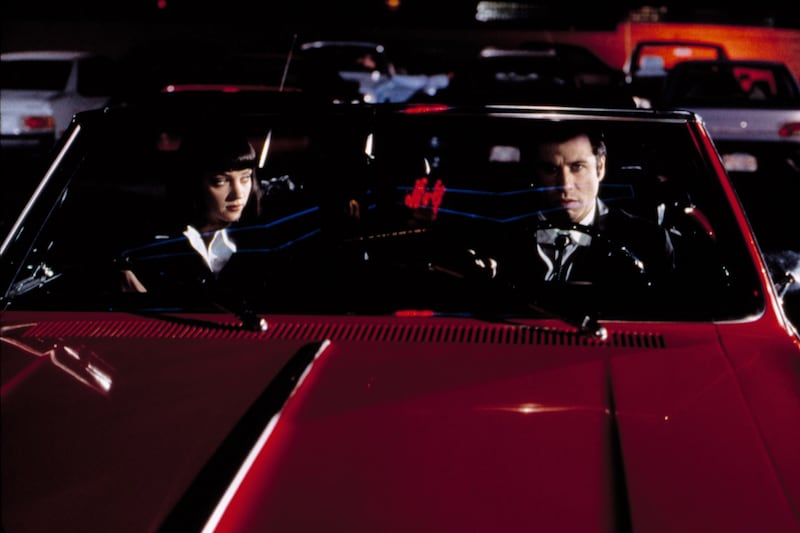
"Pulp Fiction" was released in 1994.
Miramax/Everett Collection
Arquette was not persuaded by the director’s reasoning.
Get the best of Obsessed delivered right to your inbox
By clicking “SUBSCRIBE” you agree to our Terms of Use and Privacy Policy.
She also told the Times of her experience with the film, “I’m the only person who didn’t get a back end” from the film’s box office earnings. “Everybody made money except me,” she said, and alleged it was retaliation for shirking Harvey Weinstein’s sexual advances. Arquette was one of several actresses to speak out against the producer before he was convicted and jailed for sexual abuse.

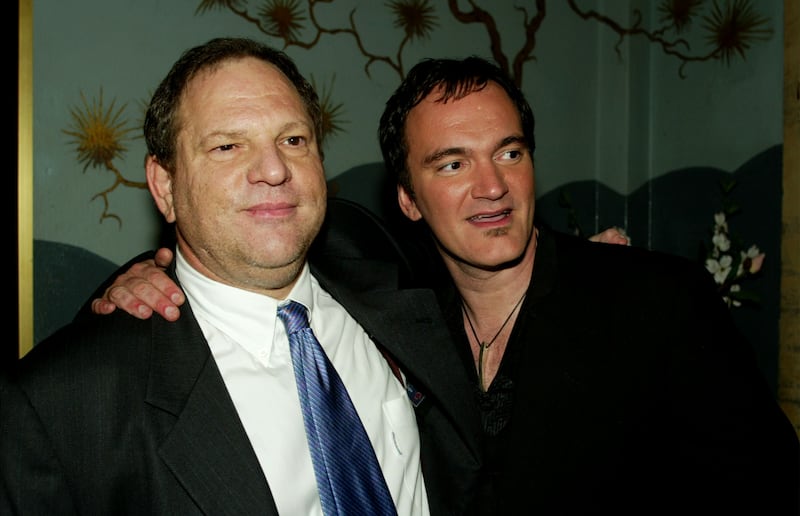
Arquette said she was not paid any backend after the success of "Pulp Fiction," which she blames on Harvey Weinstein.
Kevin Winter/Getty Images
Arquette told the publication, “I was fortunate because I was not raped. But, boy, was it going there, and I paid a price for saying no.” She added, “Later, I paid a price for telling the truth.”
Obsessed with pop culture and entertainment? Follow us on Substack and YouTube for even more coverage.

Got a tip? Send it to The Daily Beast here.
Register below to read this article for free or subscribe
to unlock unlimited access to The Daily Beast.
Monthly
$1
First month then $5.99/month
Annual
$35
First year then $59.99/year
Premium
$79
First year then $119.99/year
*Substack access provided by the next business day, using your subscription email. Choosing the Premium plan constitutes your permission to share your subscription email with Substack and your agreement to Substack’s Privacy Policy.
Already have an account? Sign In
Looks like you already have a subscription!
You're all set!
Thanks for subscribing.
Sign in or create an account
Login dialog
Loading comments…